In 2025, it has almost become a global consensus that “global development hinges on Artificial Intelligence (AI), and AI development relies on China and the US.” As a pivotal field for global development and cooperation, AI improvement in the two countries has become a key source of opportunities pursued by entrepreneurs worldwide.
From December 1 to 5, 2025, participants of Tsinghua PBC School of Finance (Tsinghua PBCSF) AI Program and Digital China Program, in collaboration with Global Innovation Exchange (GIX) of Tsinghua University, successfully completed the program’s first-ever Silicon Valley module since its establishment. Through in-depth engagement with leading academics and industry pioneers, the participants explored the global frontiers of AI and conducted comparative studies of AI development in China and the United States.
Masters: Foundation of Global AI Frontiers
Manuel Blum, 1995 Turing Award laureate, Member of the US National Academy of Sciences, US National Academy of Engineering, American Academy of Arts and Sciences, Fellow of the Institute of Electrical and Electronics Engineers, Fellow of the American Association for the Advancement of Science, and Bruce Nelson Distinguished Professor of the School of Computer Science at Carnegie Mellon University, delivered a lecture titled “Conscious Turing Machine (CTM): A Model and Path Towards Artificial General Intelligence (AGI)”, explaining how to construct an AGI model that meets the requirements of the Turing Test using cognitive theoretical frameworks.
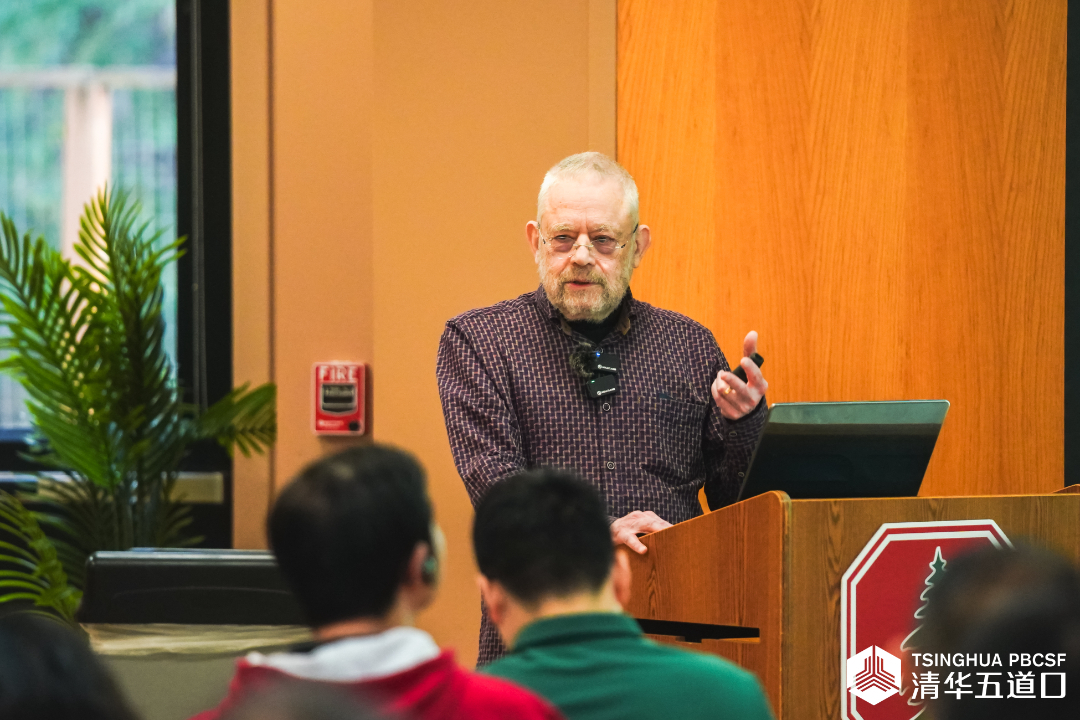
(Image: Manuel Blum)
Lenore Blum, Member of the American Academy of Arts and Sciences, Distinguished Professor of the School of Computer Science at Carnegie Mellon University, Fellow and Vice President of the American Mathematical Society, drawing on her strong mathematical research background, further elaborated on Manuel Blum’s Conscious Turing Machine model and his significant contributions to the advancement of AI toward consciousness.
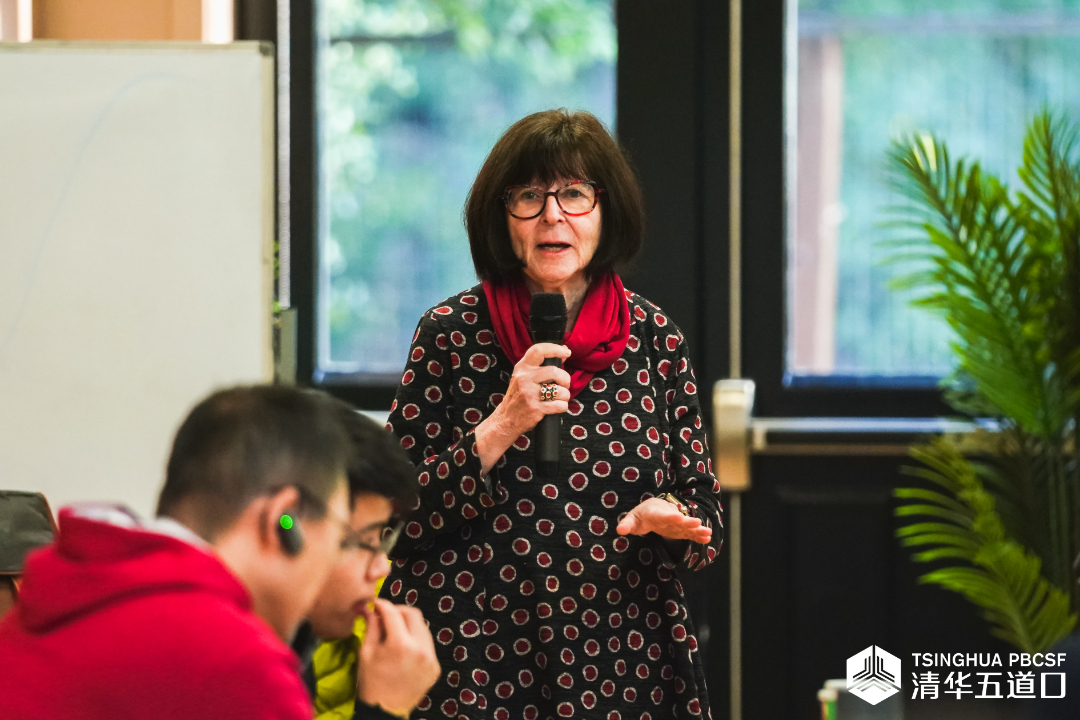
(Image: Lenore Blum)
David Demarest, former Vice President of Stanford University, Assistant to President George H.W. Bush, and former White House Communications Director, shared insights into the US political and economic landscape, as well as strategic choices in the AI and digital era.
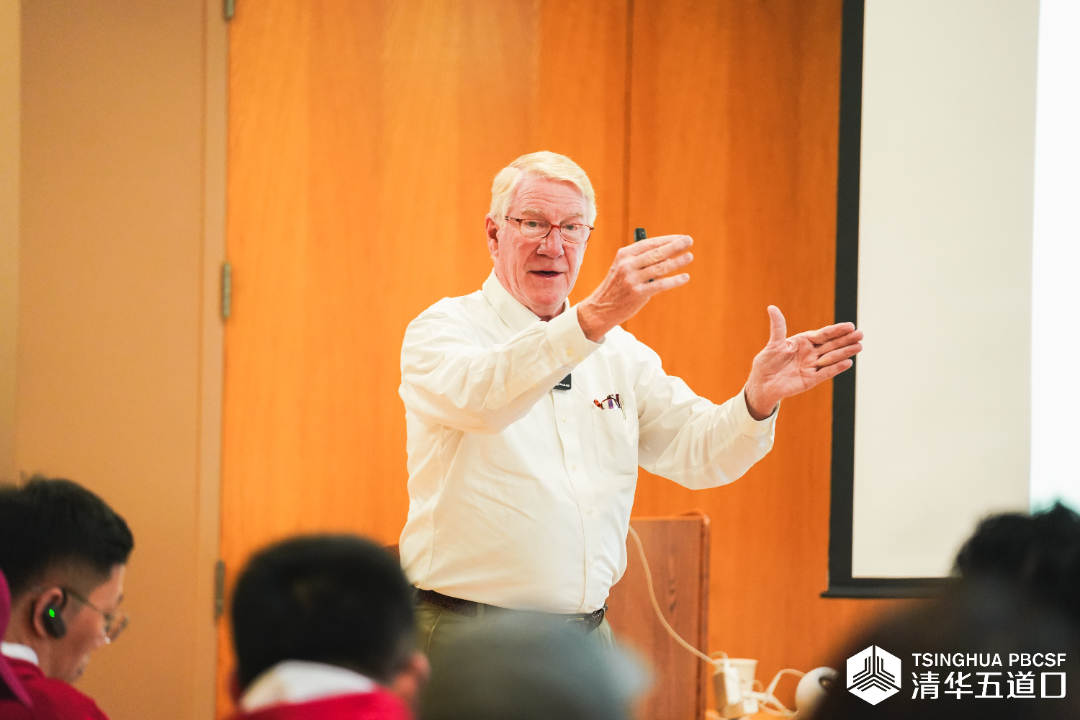
(Image: David Demarest)
Paul Saffo, Professor of the Stanford University and Member of the Royal Swedish Academy of Engineering Sciences, shared insights into the impact of AGI on human society, emphasized the development path of AI-human collaboration, and highlighted industrial opportunities in building general-purpose tools in the AI era.
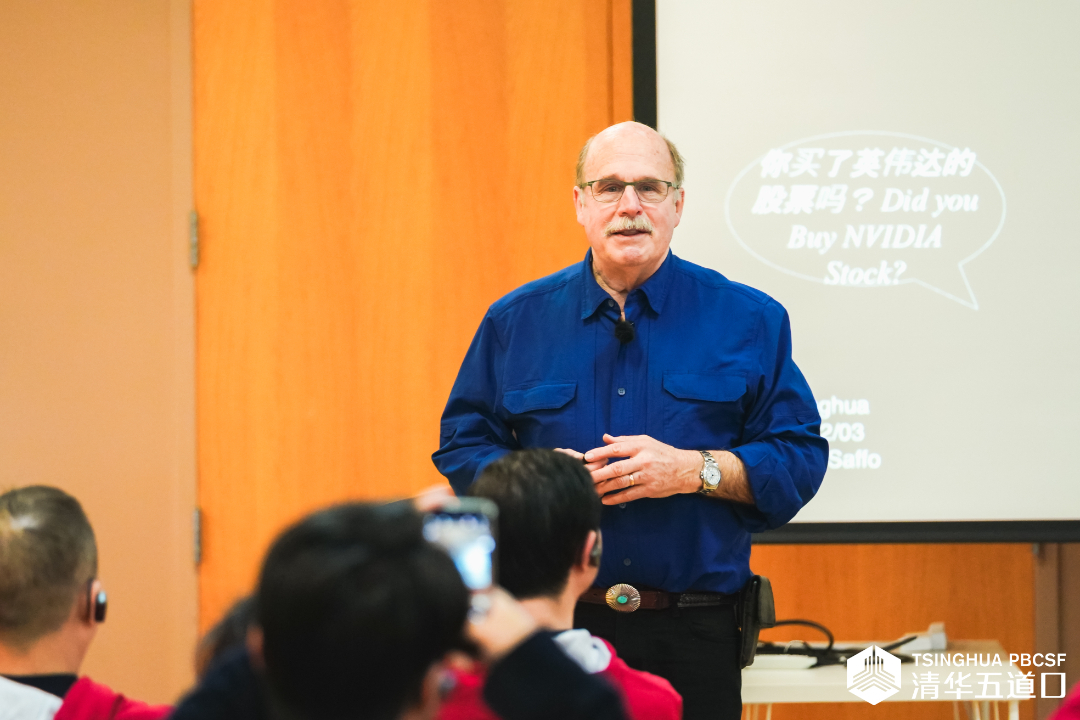
(Image: Paul Saffo)
Industry Leaders: The Engine Driving AI Technology Advancement
Participants engaged in in-depth learning with front-line AI industry leaders in Silicon Valley, gaining insights into the latest trends and real-world applications of AI. Dr. Tian Yuandong, Ex-Science Research Director in Meta AI Research (FAIR), introduced cutting-edge AI technologies and their pathways to industrial implementation. He pointed out that the value of talents in the AI era lies in the incremental value generated through collaboration with AI, and analyzed how AI-empowered “super individuals” and small teams can achieve significant scaling advantages. Dr. Li Jia, former Head of AI R&D at Google Cloud, focused on AI agent technology and the evolution of multi-agent collaboration, emphasizing that helping clients reduce costs and improve efficiency offers greater competitive advantage than the pursuit of technological leadership alone.
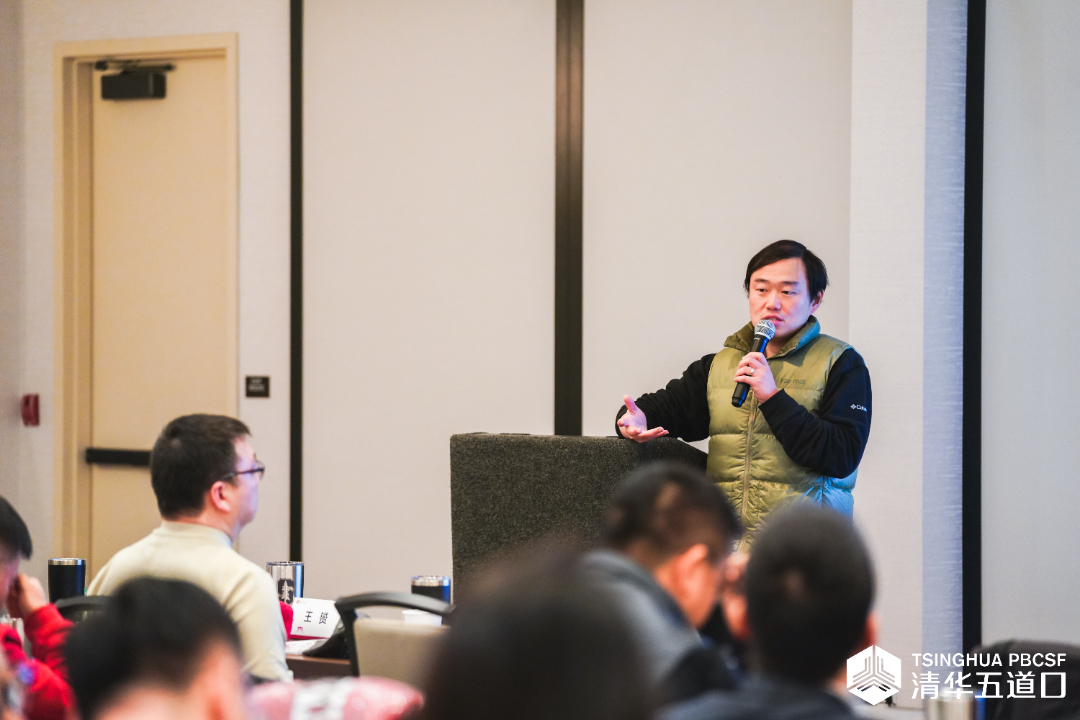
(Image: Tian Yuandong)
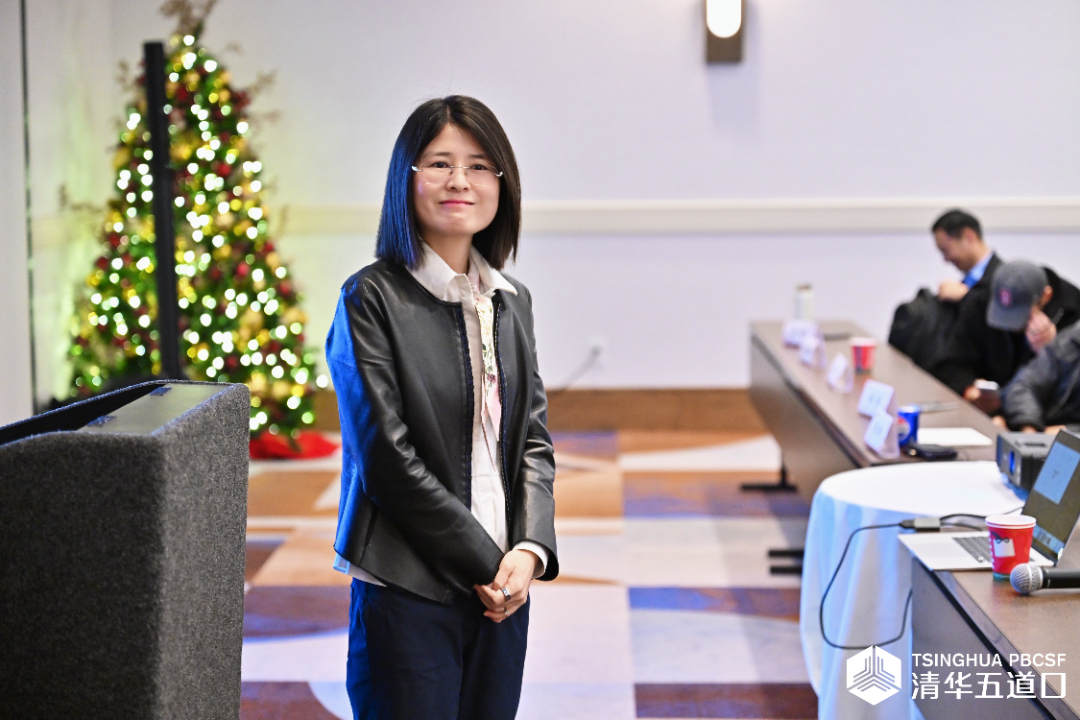
(Image: Li Jia)
Li Qiang, Founding Partner of AMINO and Forbes-listed investor, shared insights into AI investment and unicorn scouting in Silicon Valley, encouraging entrepreneurs to invest and launch ventures there. He also invited the founders of two portfolio companies, Vijay Krishnan, Co-founder of Turing, and Wu Yuchen, Founder of MAI, to offer firsthand perspectives on building and scaling AI-driven companies.
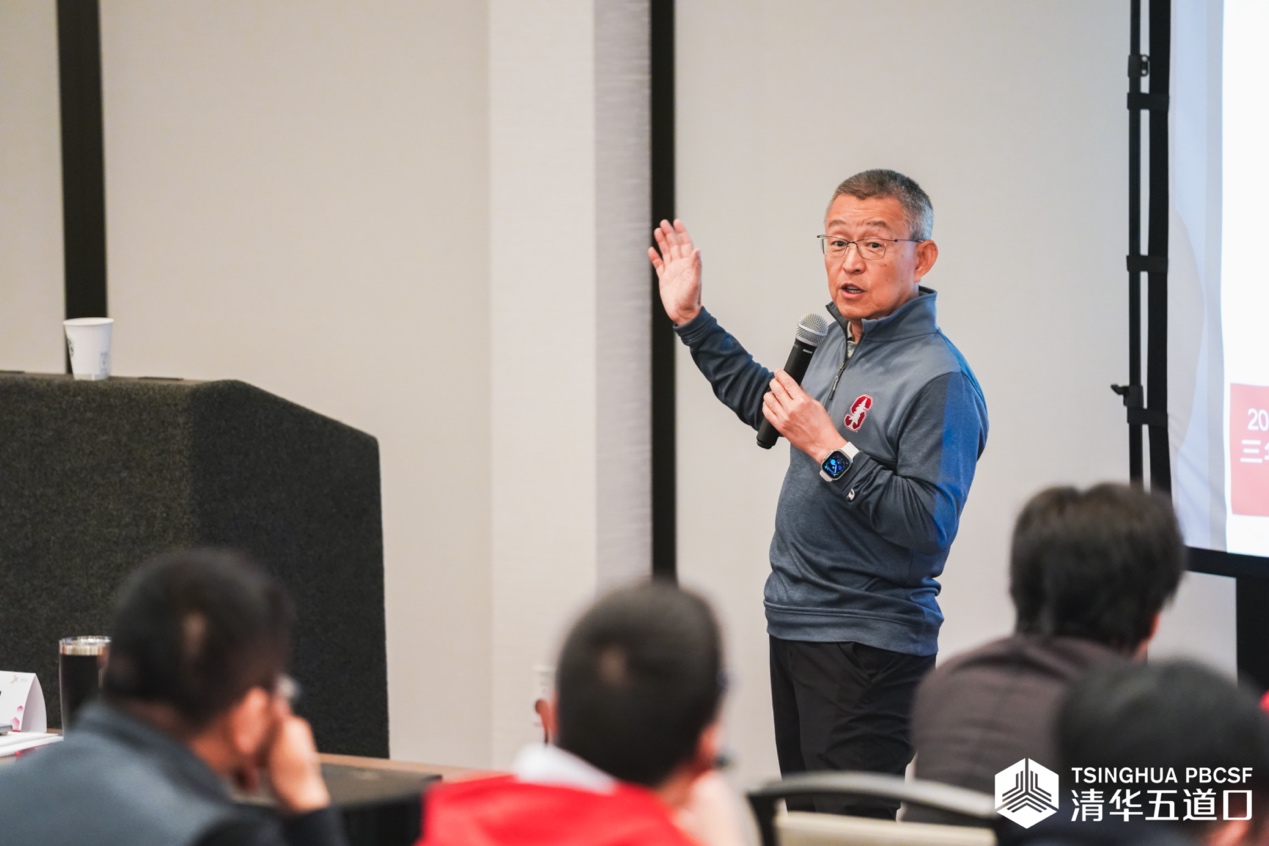
(Image: Li Qiang)
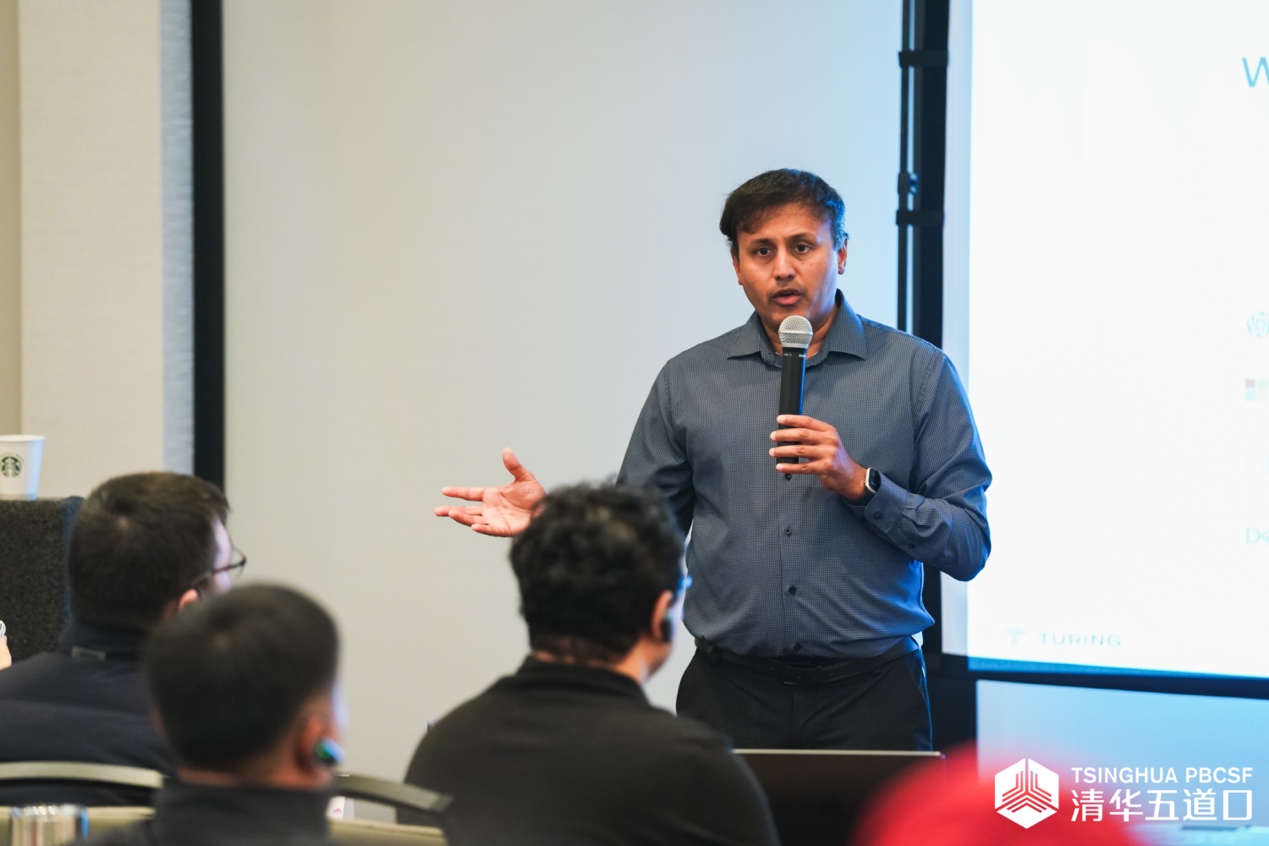
(Image: Vijay Krishnan)
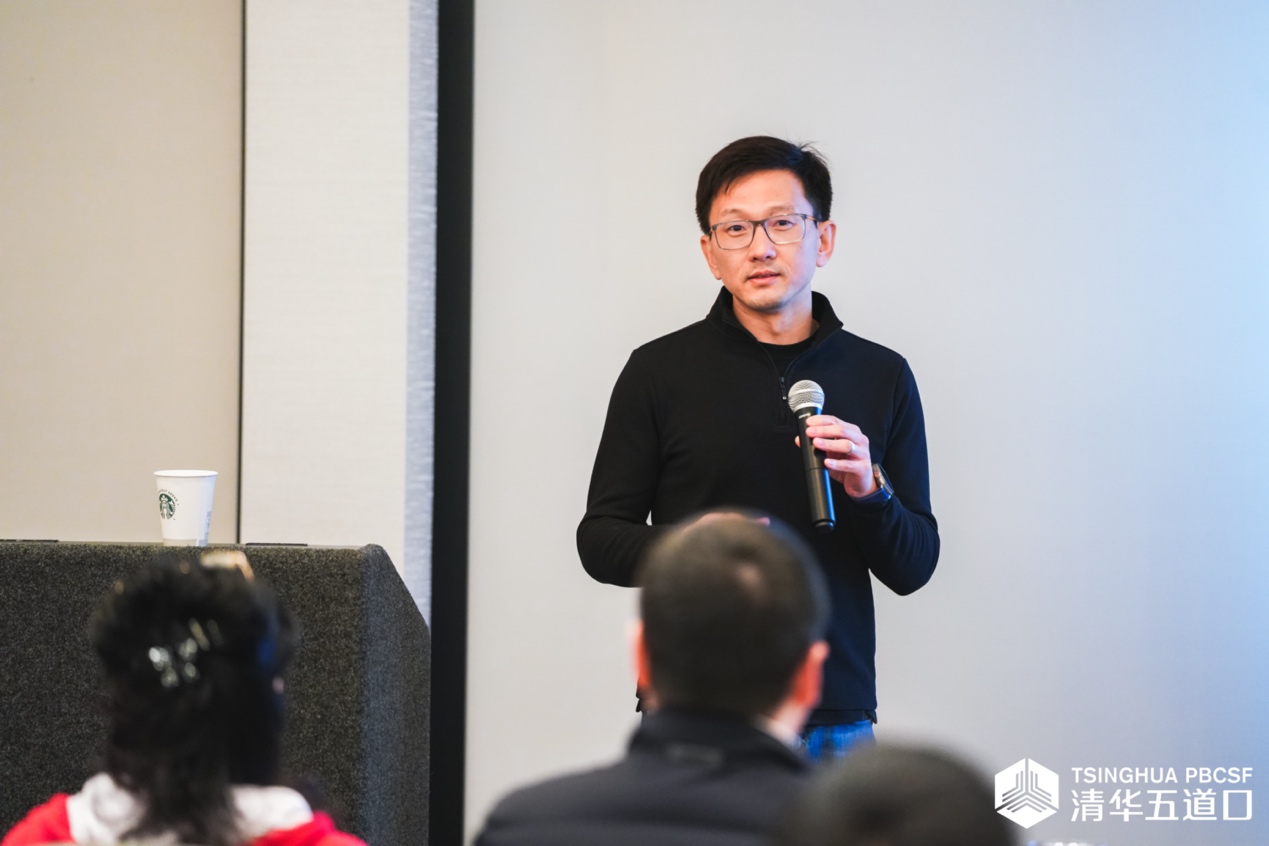
(Image: Wu Yuchen)
Tech Giants: Hub of AI Industry Investment
The world’s top 10 enterprises by market capitalization are now all part of the AI industry value chain. During this Silicon Valley trip, Tsinghua PBCSF AI Program invited senior scientists and engineers from the leading companies at the very top of this list, including NVIDIA, Google, Meta and Tesla to share insights and exchange views with participants.
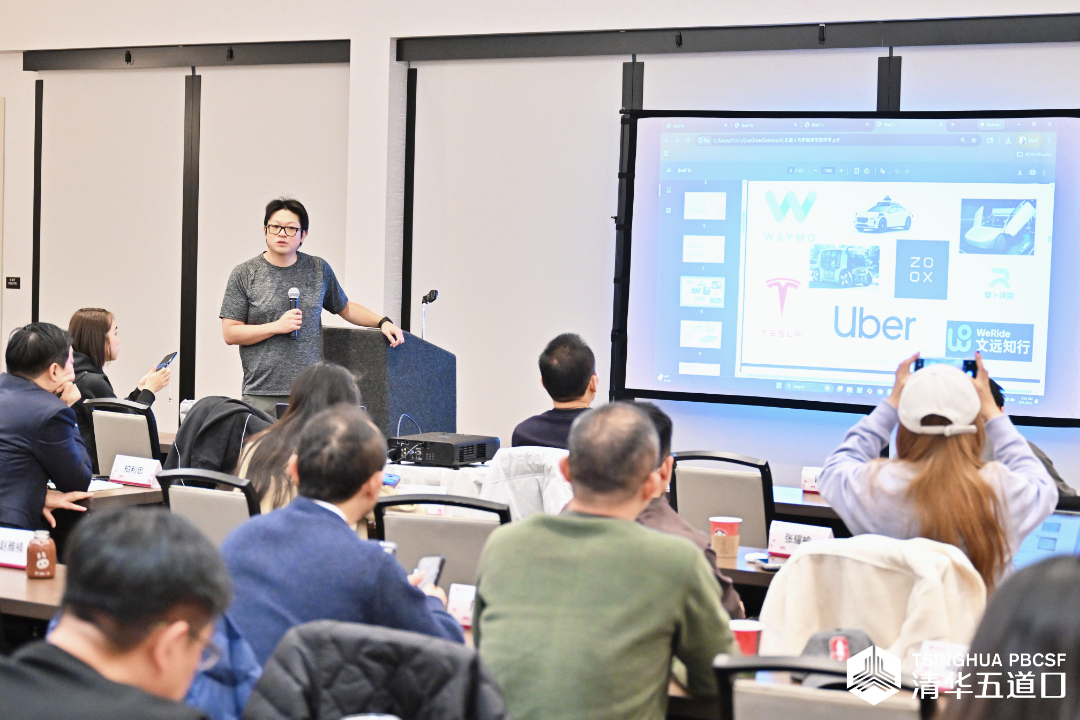
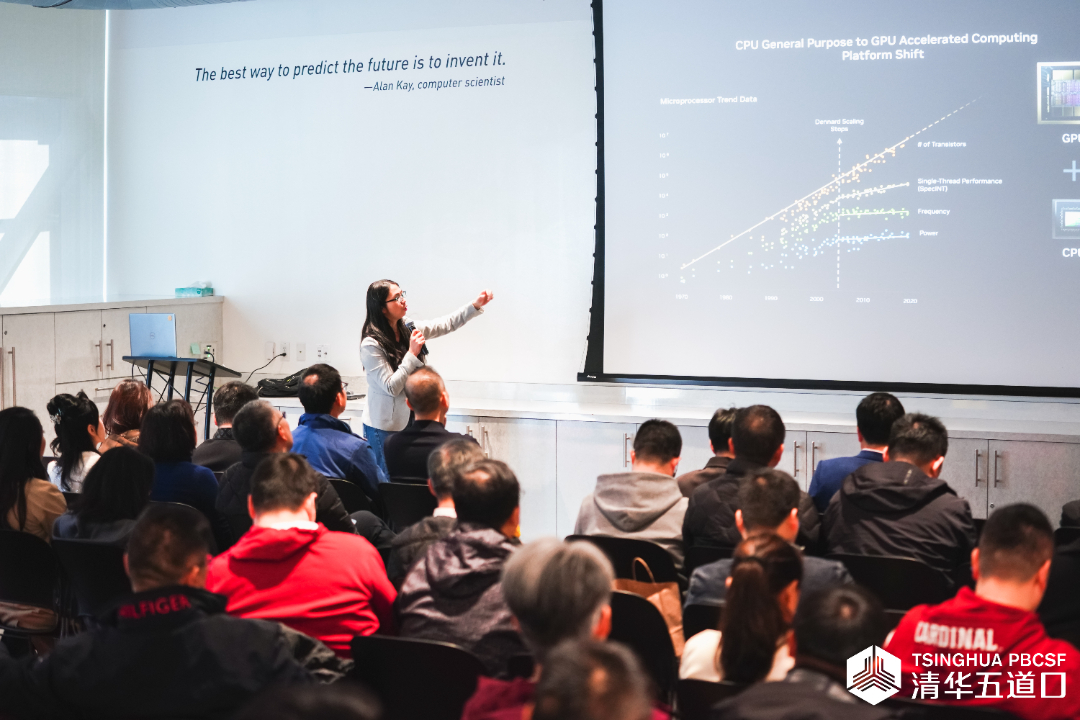
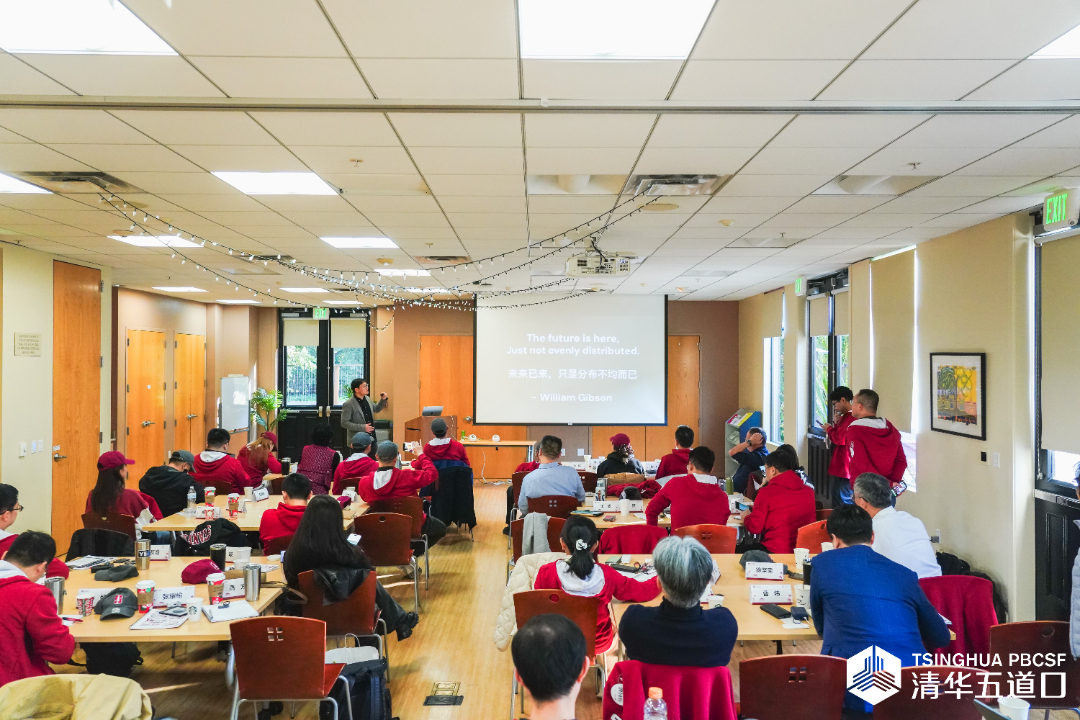
(Photo: Exchanges with senior scientists and engineers from NVIDIA, Google, Meta, Tesla, etc.)
Entrepreneurs from Tsinghua PBCSF AI Program and Digital China Program also visited ByteDance’s San Jose campus to learn about the global development of TikTok’s overseas e-commerce and Lark (Feishu) businesses.
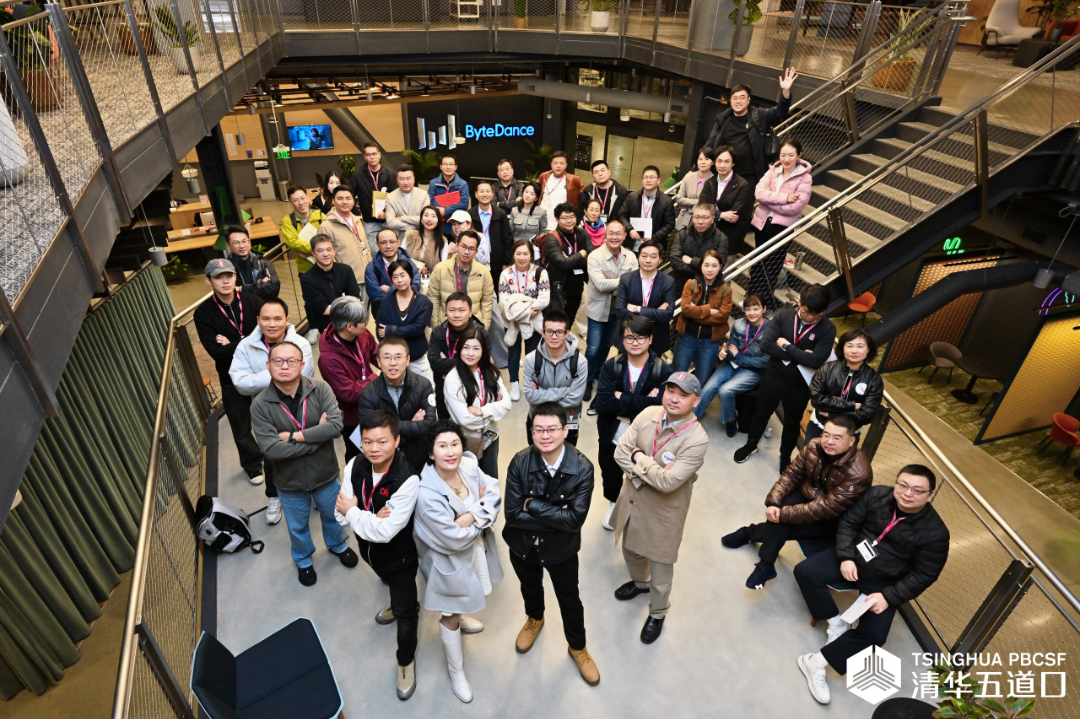
(Photo: Visit to ByteDance’s San Jose campus)
Innovation: Engine of Silicon Valley’s AI Legends
In Silicon Valley, entrepreneurs were particularly eager to explore cutting-edge innovations in AI, especially emerging opportunities that have yet to be implemented in China. The Tsinghua Entrepreneurs and Executive Club (TEEC) organized an alumni seminar, bringing together multiple Tsinghua alumni for in-depth exchange and discussion.
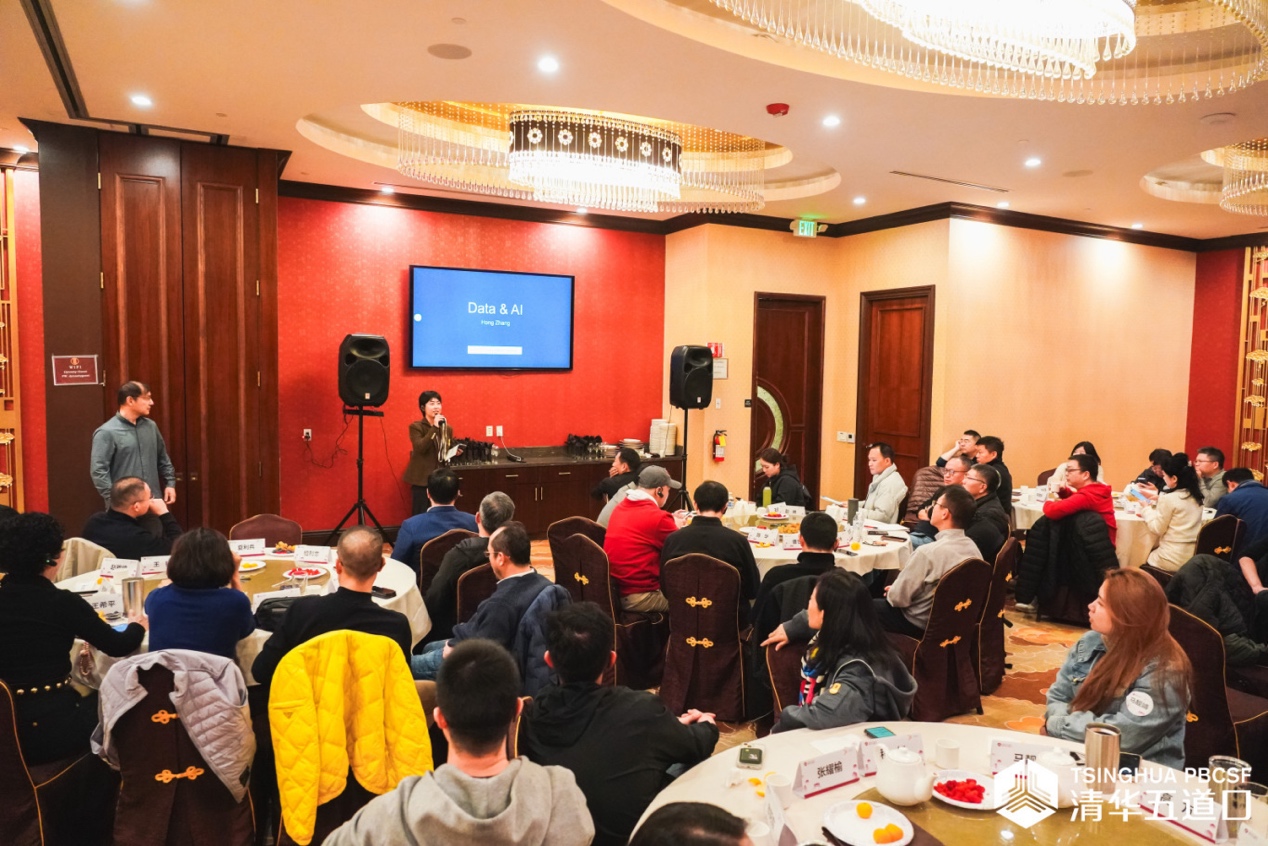
(Photo: Tsinghua alumni seminar)
Li Dawei, Co-founder of Naren Technology (a top 5 global optical communication enterprise), reviewed the industrial pattern and key enterprises in the chip and optical communication sectors, sharing views on potential investment opportunities.
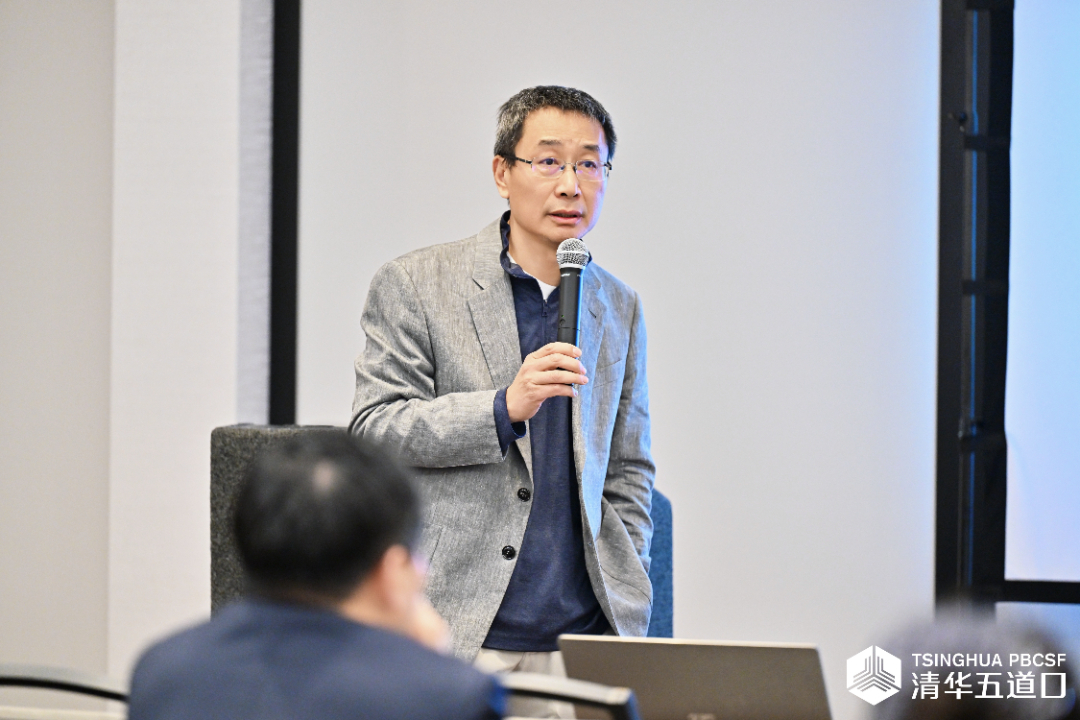
(Image: Li Dawei)
Entrepreneurs also visited the Computer History Museum, Stanford Robotics Laboratory, and Stanford University campus, making exchanges with Chinese investment institutions rooted in Silicon Valley, such as Wisemont Capital and Beta Investment.
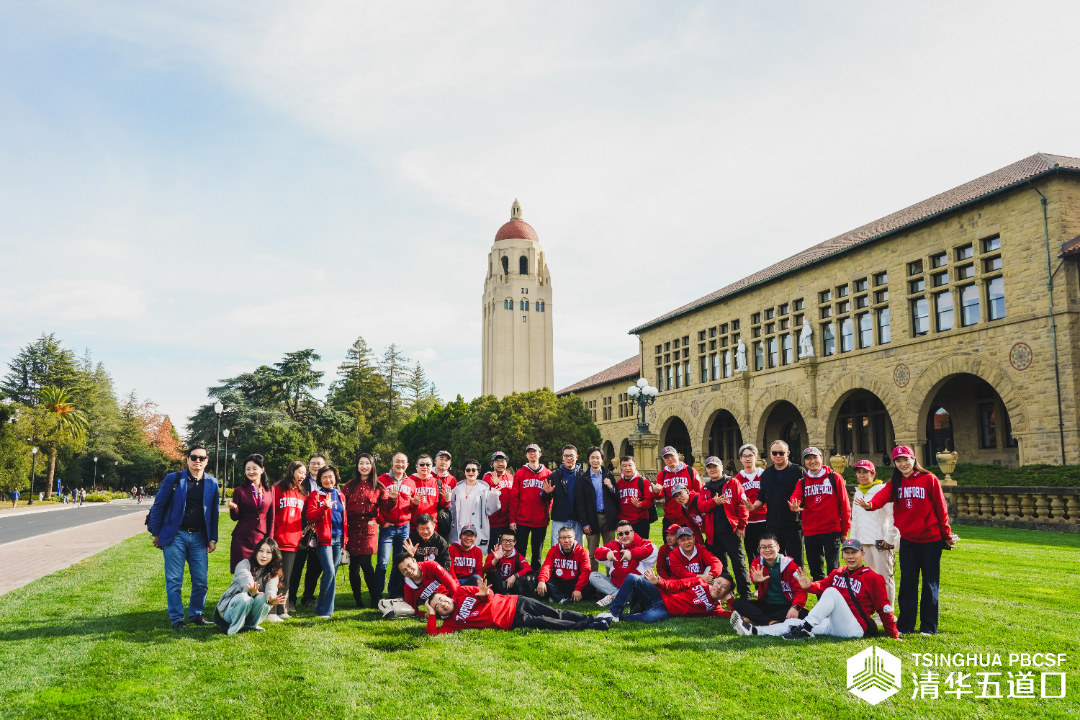
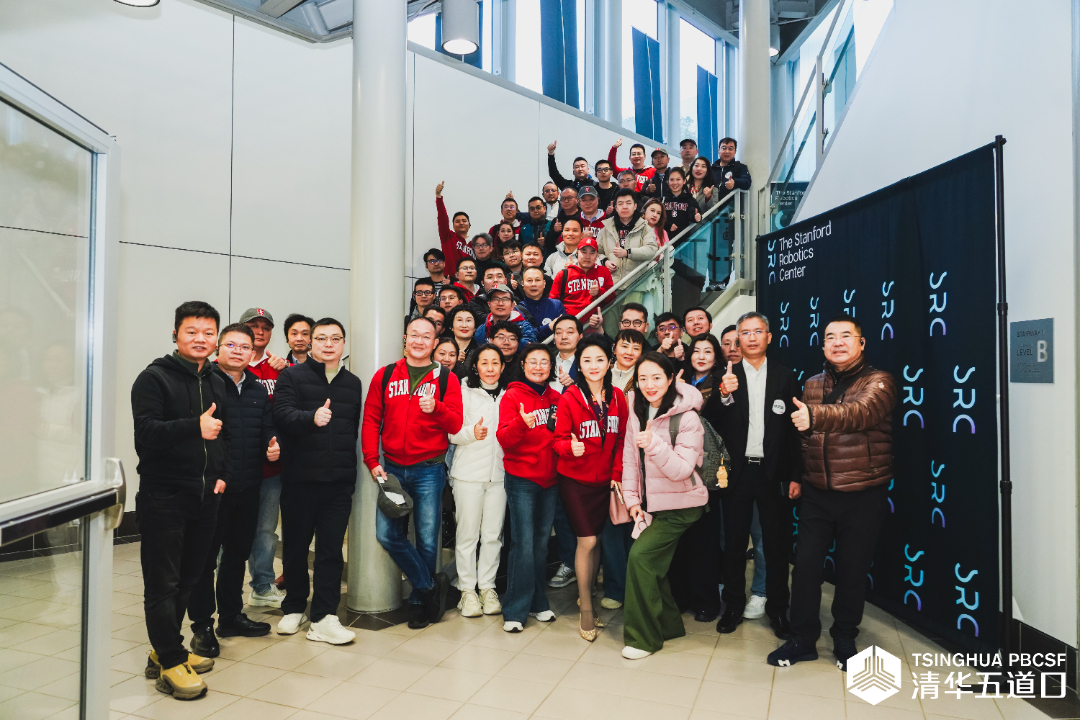
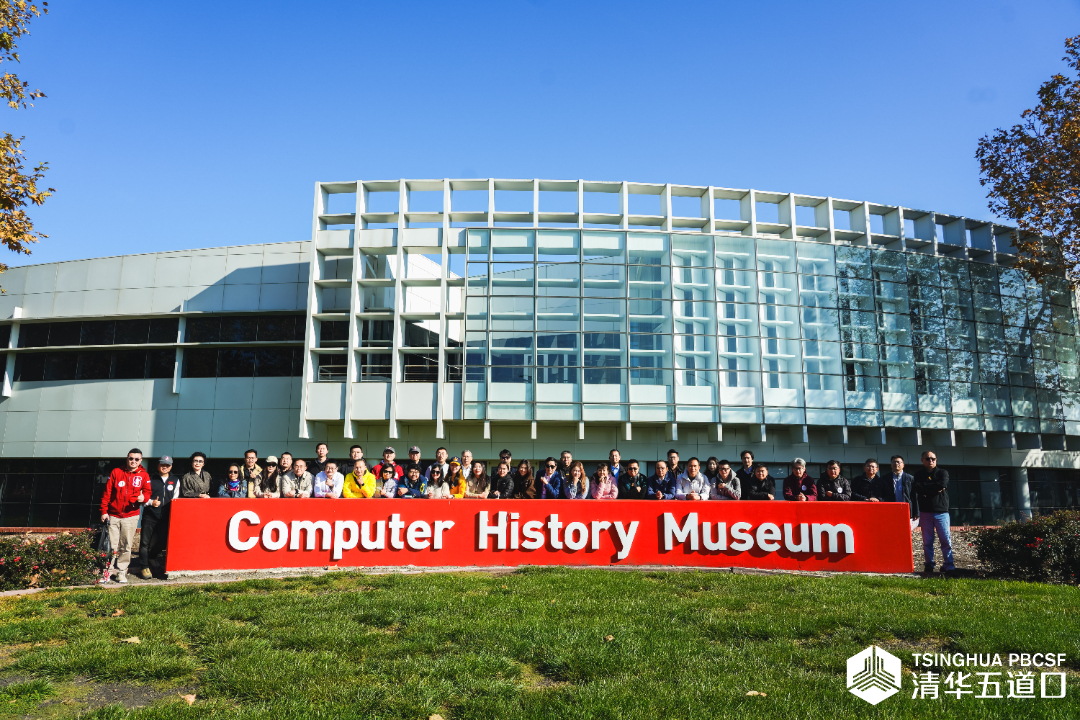
(Photo: Visits to Stanford University campus, Stanford Robotics Laboratory, and Computer History Museum)
This US trip was led by Professor Rao Peilun, Vice Dean of Tsinghua GIX.
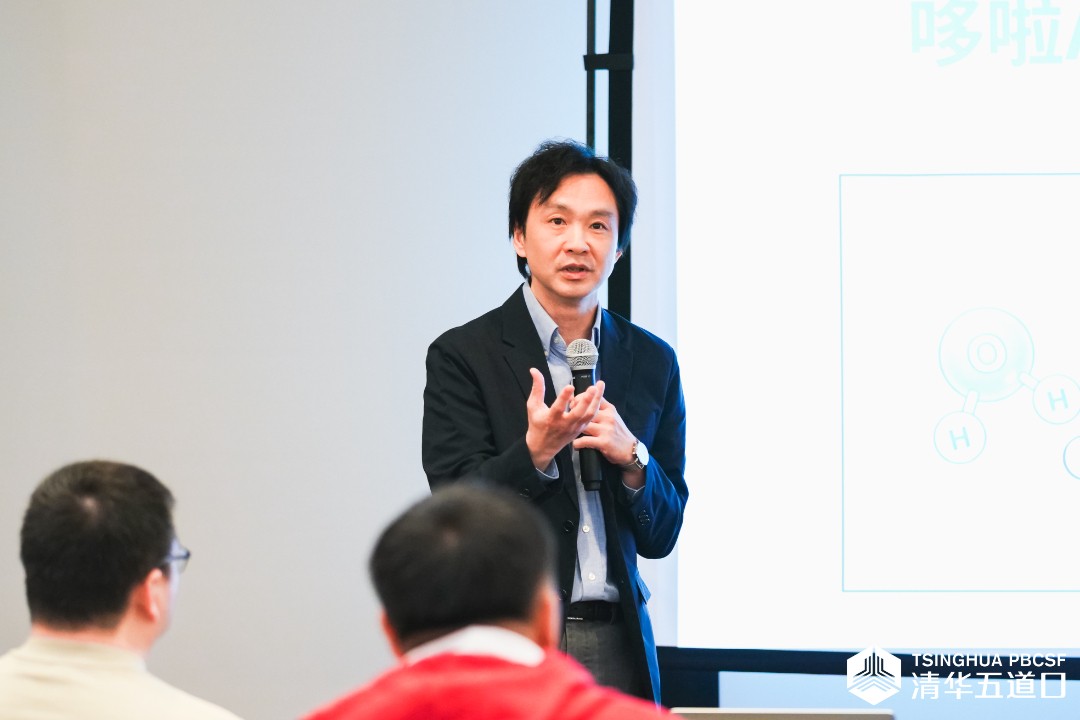
(Image: Rao Peilun)
With a comprehensive understanding of US AI developments, entrepreneurs from Tsinghua PBCSF AI Program and Digital China Program are set to embark on a new journey of exploring further opportunities in AI!
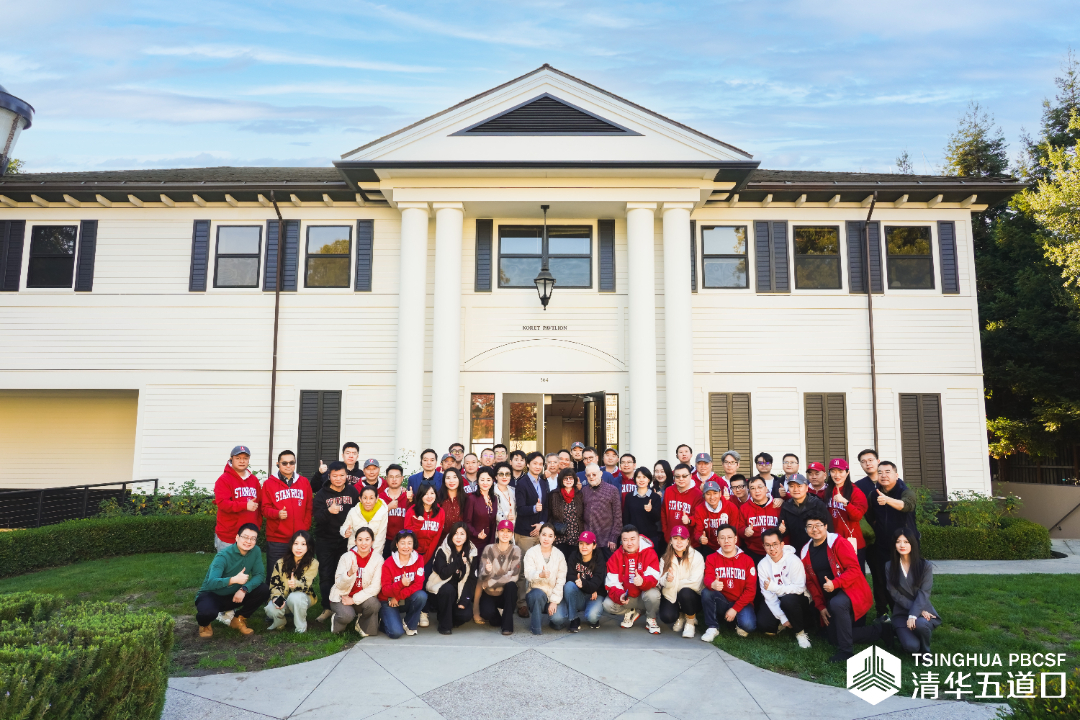
Group photo of participants of the first AI Program and Digital China Program during the US module)
Focusing on AI development, Tsinghua PBCSF Digital China Program launches the “AI Program 2026”, scheduled to start in June 2026. We welcome applications from interested entrepreneurs.
(Photo:AI Program 2026)
Contributed by: Executive Education
Reviewed by: Zhao Jianwei, Guo Ran
Read more: https://mpage.ee.pbcsf.tsinghua.edu.cn/web/m/index.php