From September 26 to October 3, a delegation of 15 students and faculty members from Tsinghua University PBC School of Finance (PBCSF) traveled to London, UK, for a week-long Autumn Programme at the London School of Economics and Political Science (LSE). The School has run short-term student programmes with LSE since 2018. Through the programme, students gain a picture of the UK economy and an in-depth understanding of Chinese and British financial markets, culture, and history. Supported by the Hongru Financial Education Foundation, the programme aims to broaden students’ global horizons, deepen their understanding of global financial markets and strengthen their global competence.
Shortly after arriving in London, the delegation visited the University of Cambridge, one of the UK's oldest and most prestigious universities, where students experienced the rich traditions of British academia. Students then began their formal studies at LSE. The programme covered intercultural communication, behavioral finance, industry lectures, corporate visits, and explorations of London’s financial landmarks.
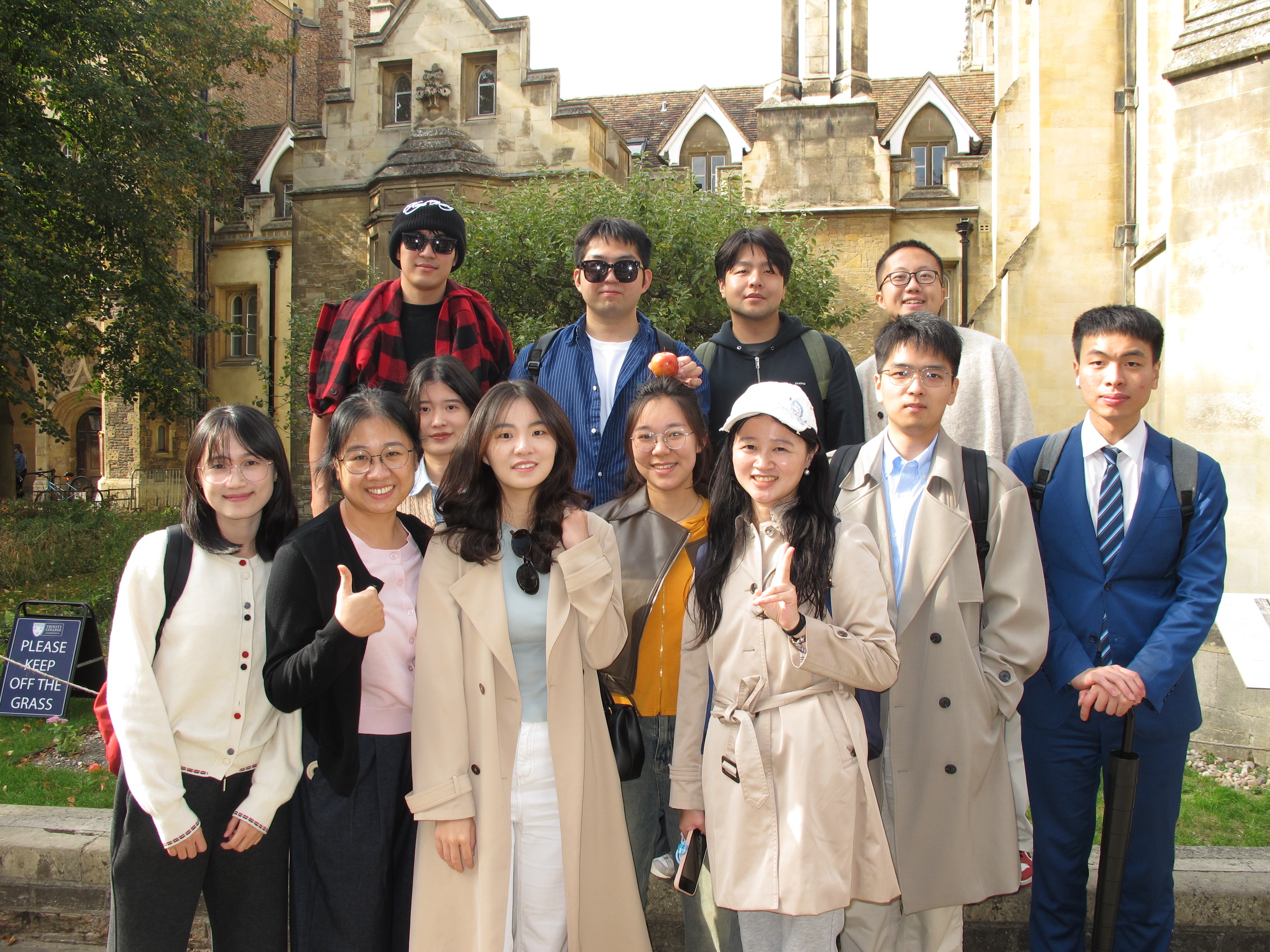
Photo: Faculty and students visit the University of Cambridge
In the intercultural communication modules, Dr Catherine Xiang, East Asian Languages Coordinator and Programme Director of the BSc International Relations and Chinese programme at LSE, and UK Director of the London Business Confucius Institute , opened with the classic “farmer or librarian” puzzle from Thinking, Fast and Slow, drawing students’ attention to the role of intuitive “fast thinking” in intercultural contexts. Through group discussions and video cases, she illustrated the main barriers to intercultural communication—attitudes, perception, stereotyping, interpretation, and culture shock—and guided students to reflect on the cultural roots behind cross-cultural conflicts. Dr Neil McLean, Director of LSE’s Centre for Language Studies, then examined why intercultural challenges arise from a social science perspective, discussing differences between Chinese and UK workplace cultures and the norms of etiquette in business and social settings, and equipping students with practical skills for small talk and networking in professional environments.
In the finance modules, Assistant Professor Cameron Peng of the LSE Department of Finance structured his class around three questions: What do investors believe? Why do they believe it? How do they trade? Comparing institutional and retail investors, he explained the psychology behind investors' beliefs, then used prospect theory to examine classic behavioral biases such as the disposition effect and overconfidence, and discussed the mechanics of asset bubbles through the case of China’s 2014–15 stock market. After class, he also engaged in an in-depth discussion with students about research methods and his academic experience. Professor Jiahua (Java) Xu from UCL's Department of Computer Science also delivered a finance lecture drawing on cutting-edge research in financial markets, further strengthening students' theoretical understanding.
As part of the industry lecture series, Luca Grulla delivered a talk titled “From Big Data to AI Agents: AI in the Finance Sector,” exploring how artificial intelligence is reshaping the financial industry. Christopher Cubitt, Senior Manager of Corporate Finance at Transport for London (TfL), used the London Underground and the Elizabeth Line as examples to explain how London's public transport infrastructure is financed and managed, helping students gain a clearer understanding of how public-sector project finance combines government funding, market borrowing, and other sources of capital.
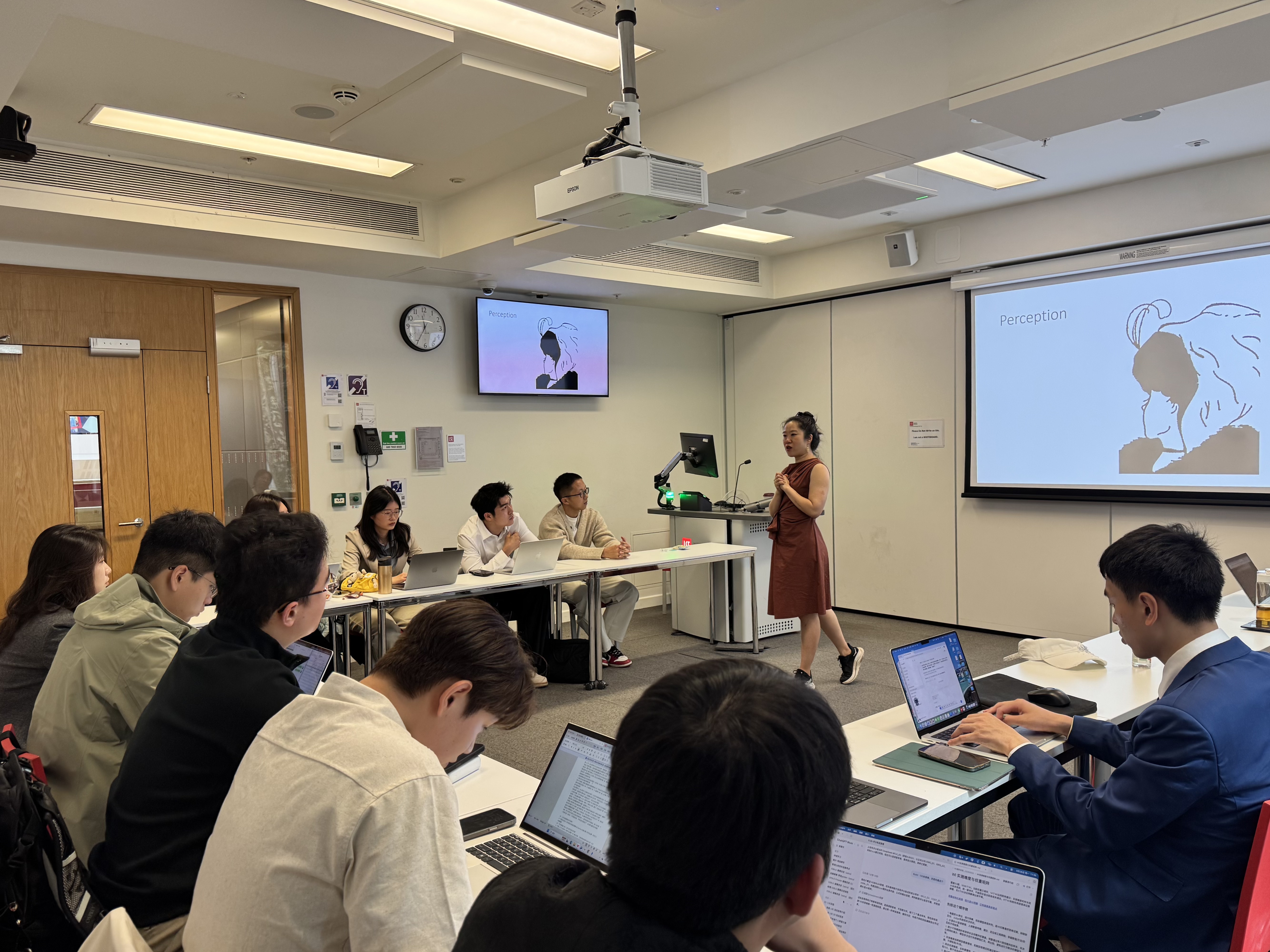
Photo: Students in class
During the programme, the delegation visited BP, Bloomberg, and Holland & Barrett, a well-known UK health and wellness retailer, as well as the Bank of England Museum.
At BP's headquarters, company representatives introduced the company's latest strategy for growing alongside China and its goal of developing tailored end-to-end solutions to support the energy transition. Students also exchanged views with the speakers on frontier topics such as the impact of AI on the energy sector, nuclear power as an emerging area, and energy resilience under geopolitics.
At Bloomberg, students gained firsthand insight into the business operations and culture of innovation at this global financial information company. At the Bank of England Museum, students explored the history of money, the evolution of financial regulation, and the role of central banks. They also drew comparisons with China's central banking system and financial market practices, gaining a deeper understanding of the complexity of the global financial system.
In addition, a walking tour of the City of London and Fleet Street, along with a treasure hunt in Canary Wharf, offered students an immersive experience of London's rich financial history and its vibrant role as a global financial center today.
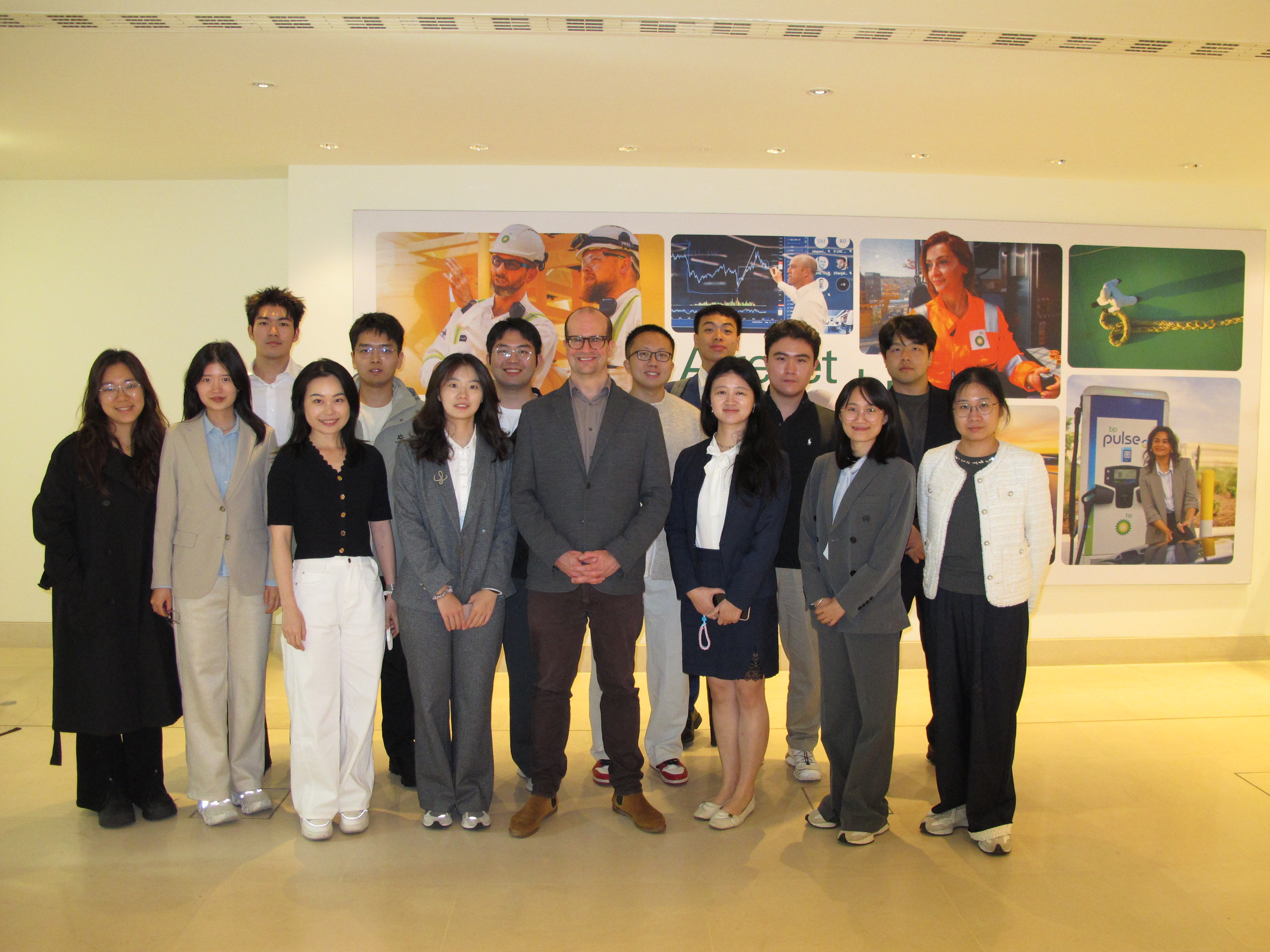
Photo: Faculty and students visit BP
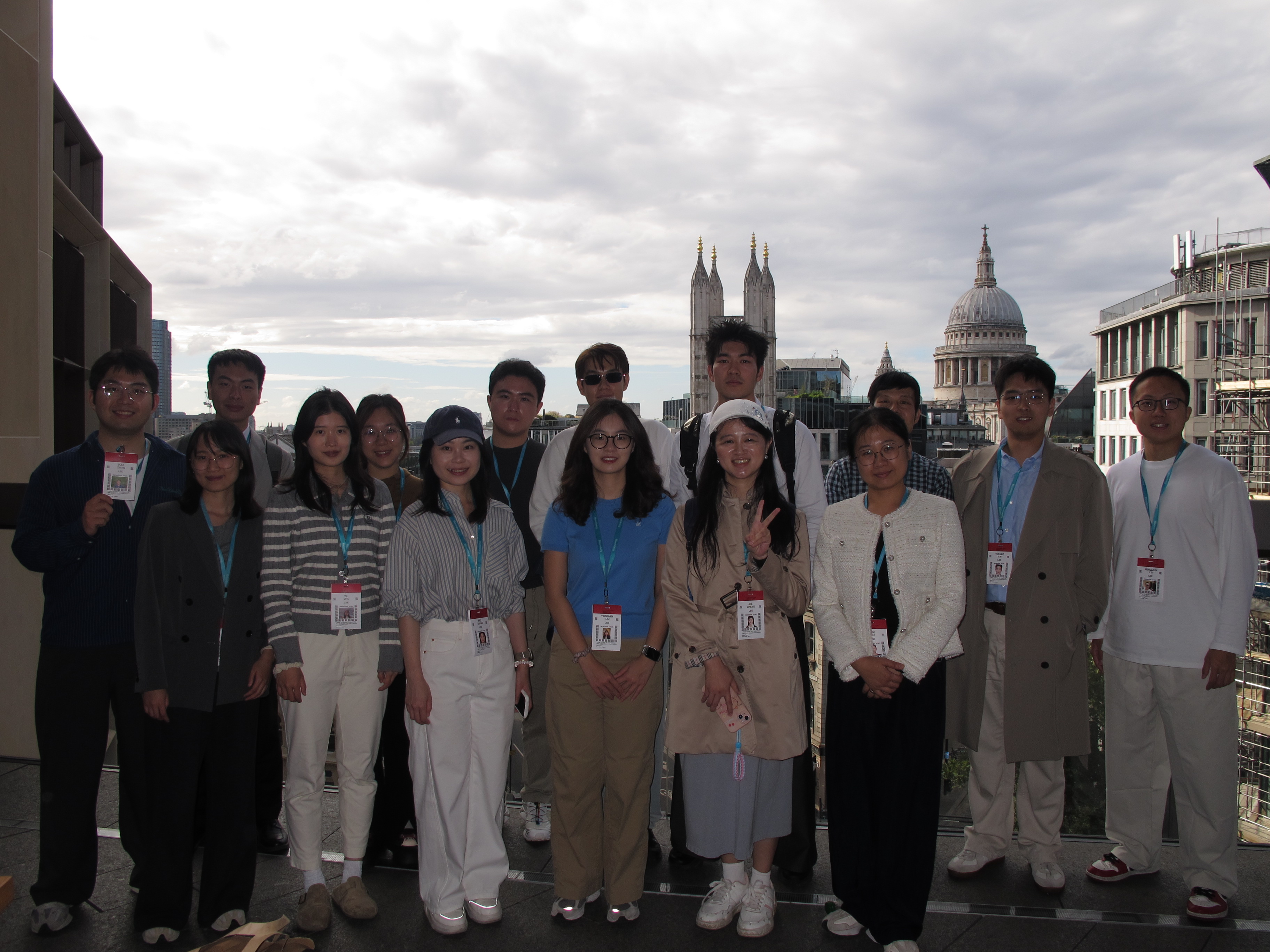
Photo: Faculty and students visit Bloomberg
At the closing ceremony, students shared their reflections on the programme, describing it as both a valuable learning experience and an opportunity to explore a different culture. Through the programme, they gained a more comprehensive understanding of the UK economy, financial markets, and industry developments, while deepening their appreciation of the cultural and everyday differences between China and the UK. The experience also encouraged them to reflect on how to better share China's stories with international audiences.
Looking ahead, students expressed their hope for more opportunities for international exchange, allowing PBCSF students to broaden their perspectives, engage with the wider world, and contribute to greater mutual understanding and cooperation in the financial sector.
The Hongru Financial Education Foundation was established in November 2006 by a group of alumni from the Graduate School of the People's Bank of China (now Tsinghua University PBC School of Finance). Through initiatives such as the China Financial Research Lifetime Achievement Award, scholarships and grants, high-level academic forums, and online financial education, the Foundation works closely with leading universities across China to support financial education, academic research, and policy advisory services.
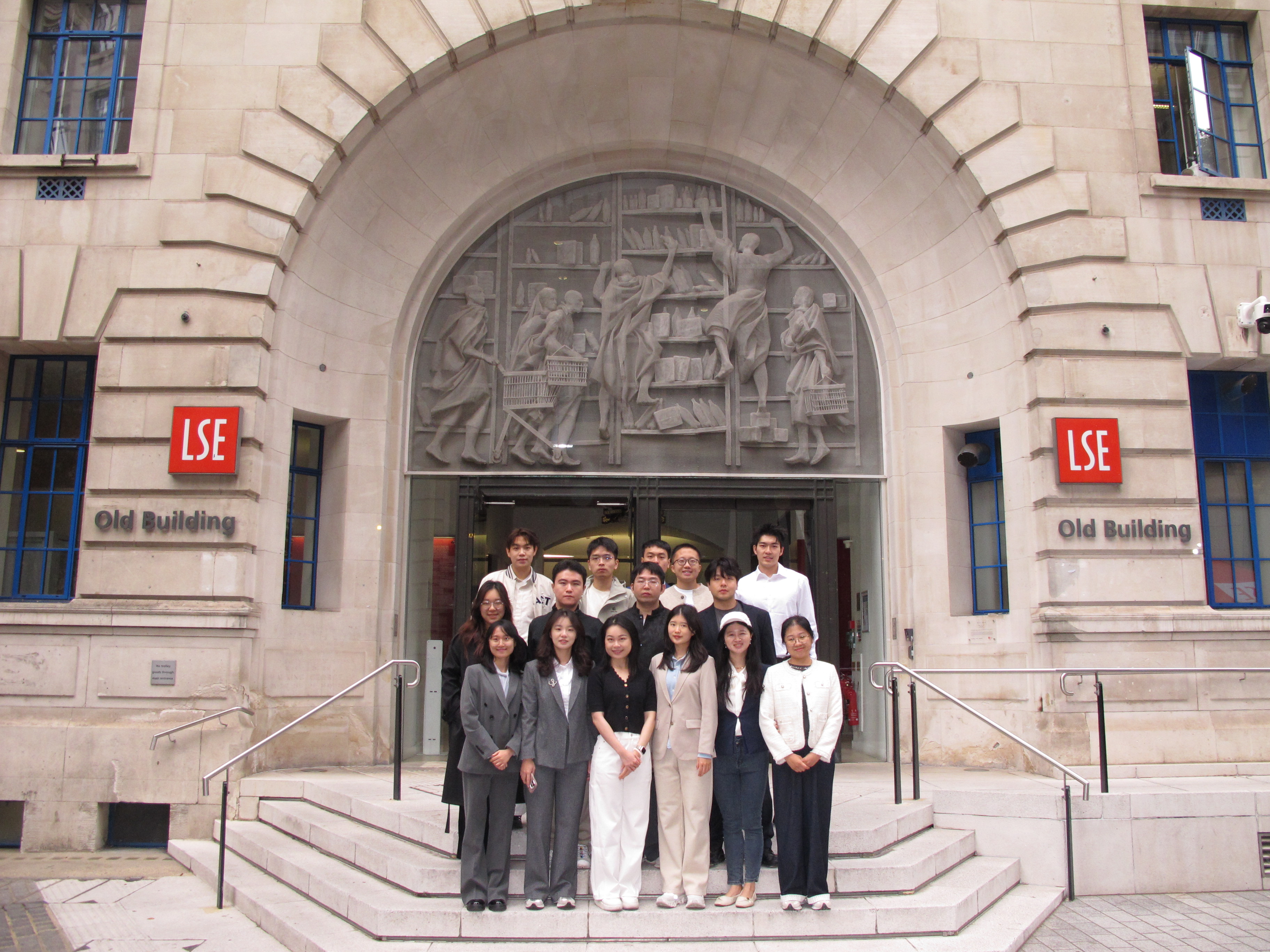
Photo: Faculty and students at LSE