The Seminar on AI, Big Data and SciTech Finance, jointly organized by the Research Center for Fund of Funds of Tsinghua University PBC School of Finance and the Faculty of Business Administration of the University of Macau, was held on June 30, 2026 at the University of Macau’s temporary campus in the Guangdong-Macao In-Depth Cooperation Zone in Hengqin. Professor Wenjin Kang, Head of the Department of Finance and Business Economics at the Faculty of Business Administration, University of Macau, delivered the welcome remarks.
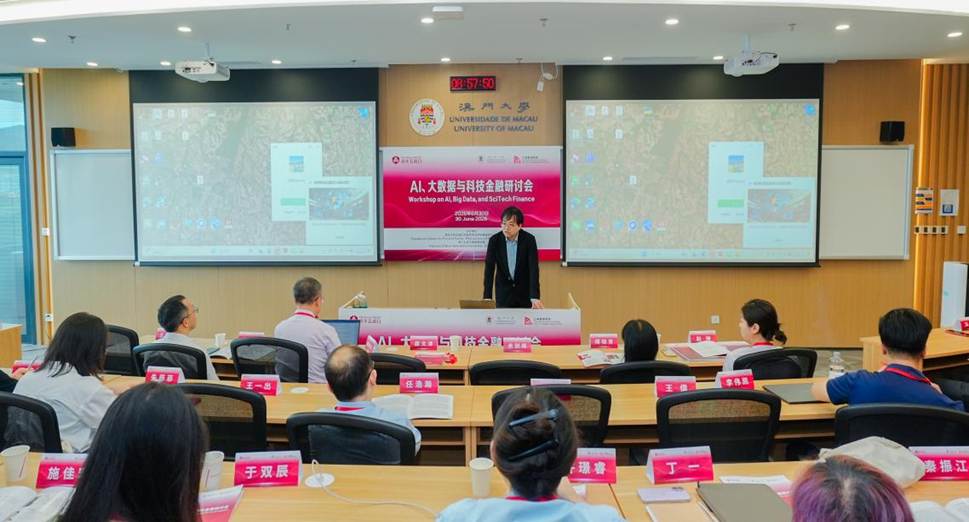
Photo: Professor Wenjin Kang
The morning session featured two sessions. The first session, themed “Artificial Intelligence and Investment,” was chaired by Associate Professor Kun Zhao of the University of Macau. Assistant Professor Dingpan Pu of the Guanghua School of Management, Peking University, presented the paper Agentic AI Predicts Stock Returns in Real Time. The study deployed a large language model with real-time web search capabilities to evaluate constituents of the Russell 1000 Index on a daily basis, developing a fully autonomous, look-ahead-bias-free prediction framework. The study found that the AI model was effective in identifying stocks with the strongest future performance, while its predictive ability exhibited a clear asymmetry: the model could identify winners but had limited ability to predict losers. A portfolio consisting of the top 20 stocks ranked by AI scores generated significant daily Fama-French six-factor alpha and achieved a strong annualized Sharpe ratio. Assistant Professor Jiaxing Tian of The Chinese University of Hong Kong, Shenzhen, provided comments on the paper.
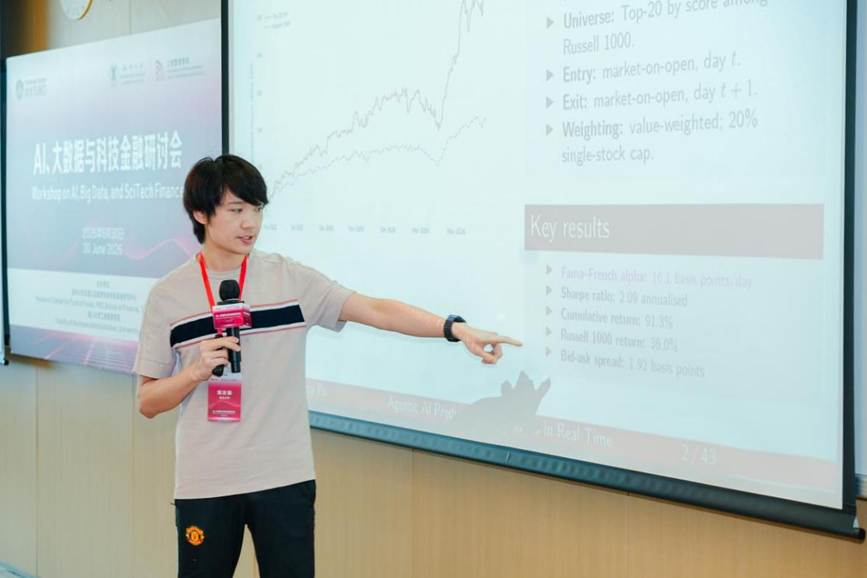
Photo: Assistant Professor Dingpan Pu
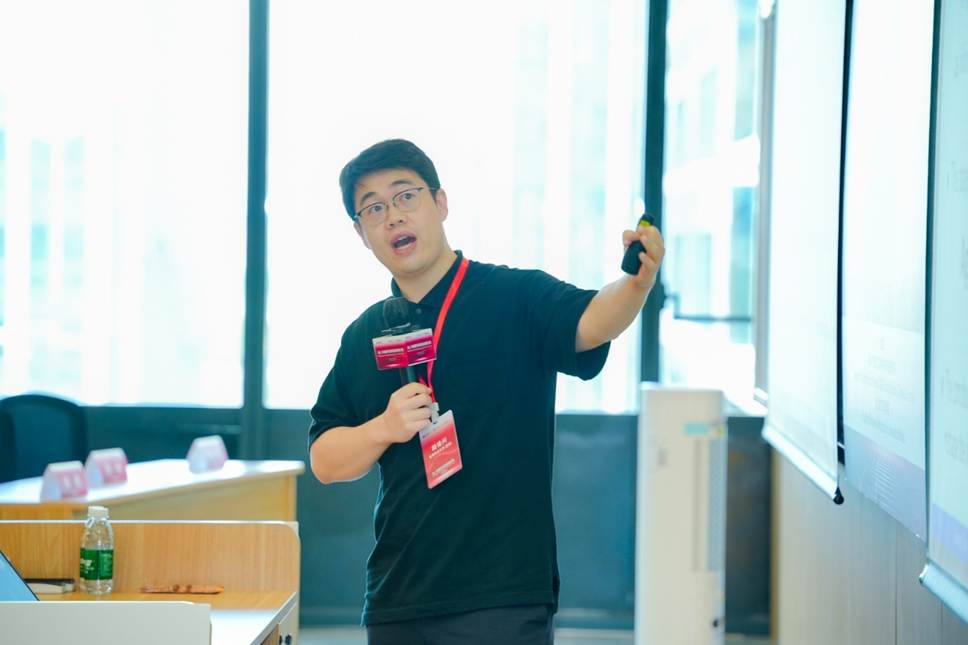
Photo: Assistant Professor Jiaxing Tian
Assistant Professor Danqing Mei of Cheung Kong Graduate School of Business presented the paper Can AI Do Financial Research? LLM-Guided Hypothesis Discovery in Asset Pricing. The study placed a large language model in a researcher-designed environment, enabling AI to autonomously complete the full research cycle from hypothesis generation to empirical testing. Associate Professor Jingyu He of City University of Hong Kong provided comments on the paper.
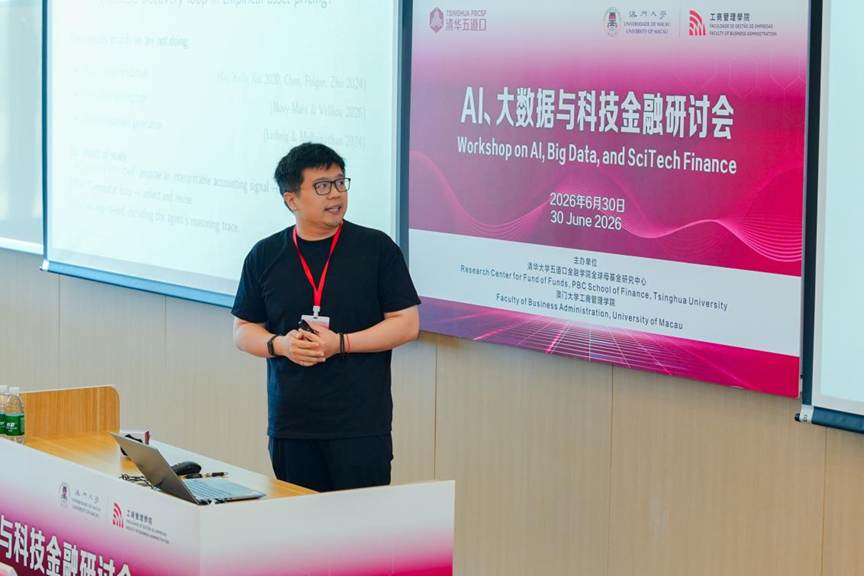
Photo: Assistant Professor Danqing Mei
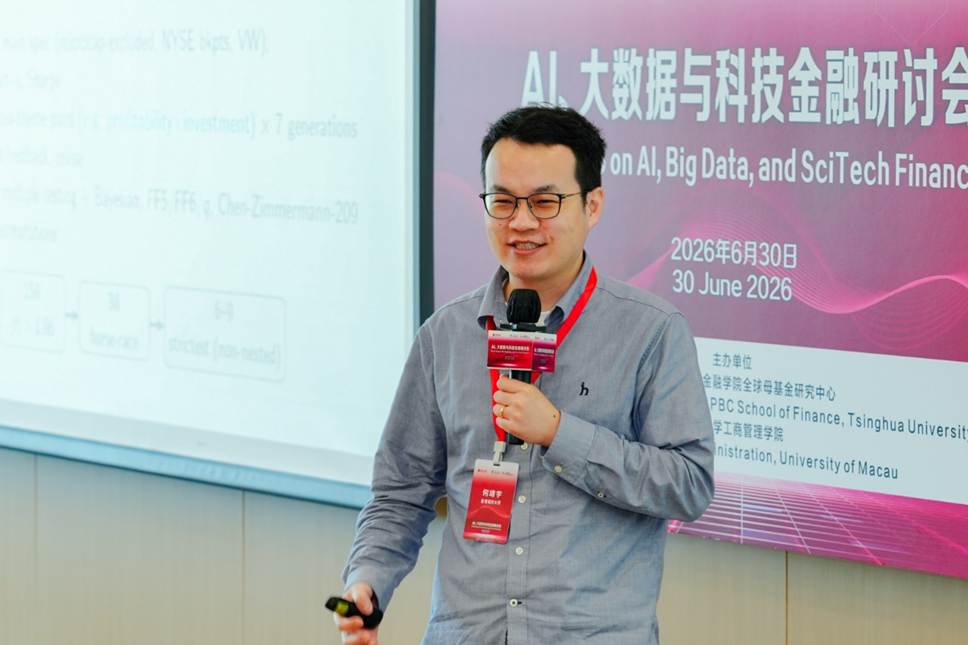
Photo: Associate Professor Jingyu He
The second session, themed “Artificial Intelligence and Behavioral Finance,” was chaired by Professor Xiaoqing Fu of the University of Macau. Associate Professor Pengfei Sui of The Chinese University of Hong Kong, Shenzhen, presented the paper Dissecting AI Trading: Behavioral Finance and Market Bubbles. Using a simulated experimental market populated by large language model-based agents, the study found that AI agents exhibit behavioral biases commonly observed among human investors, including the disposition effect and recency-weighted extrapolative expectations. The study further found that targeted prompt interventions could causally amplify or suppress specific behavioral mechanisms, significantly affecting the magnitude of market bubbles. Associate Professor Yu An of Johns Hopkins Carey Business School provided comments on the paper.
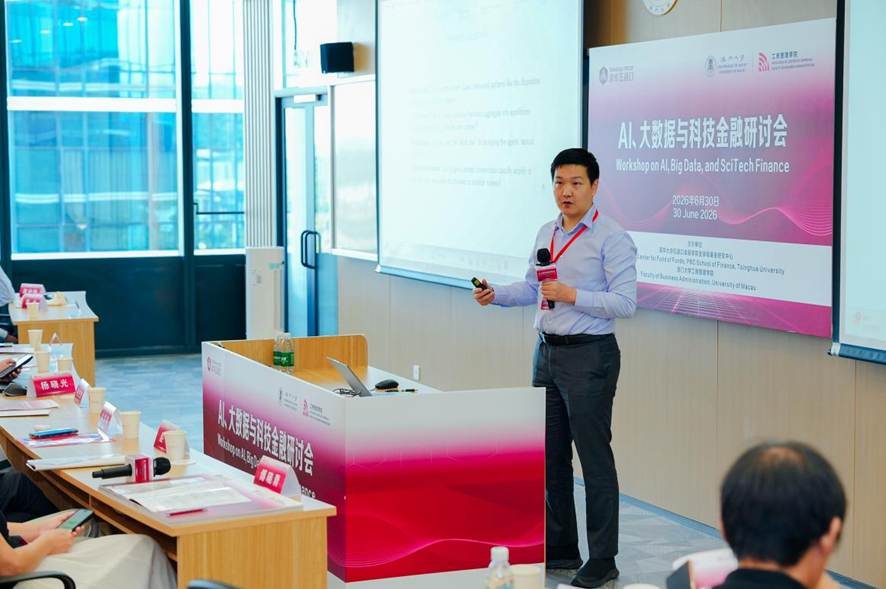
Photo: Associate Professor Pengfei Sui
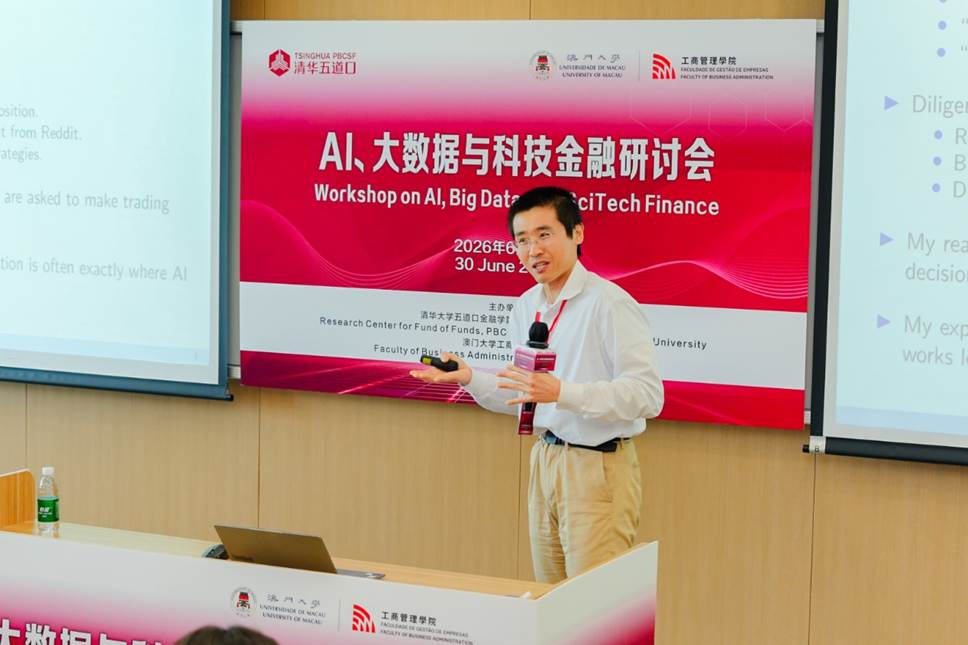
Photo: Associate Professor Yu An
Assistant Professor Zhenghui Ni of Renmin University of China presented the paper Talking to AI-Equipped Investors: A Field Experiment. The study found that managers were 13% less likely to respond to questions from AI-equipped investors. When they did respond, their answers were longer and more timely, but their tone was more neutral. High-frequency trading data further showed that investors tended to temporarily suspend trading during periods when AI-equipped investors were asking questions. Professor Lai Wei, Head of the Department of Finance at Lingnan University, provided comments on the paper.
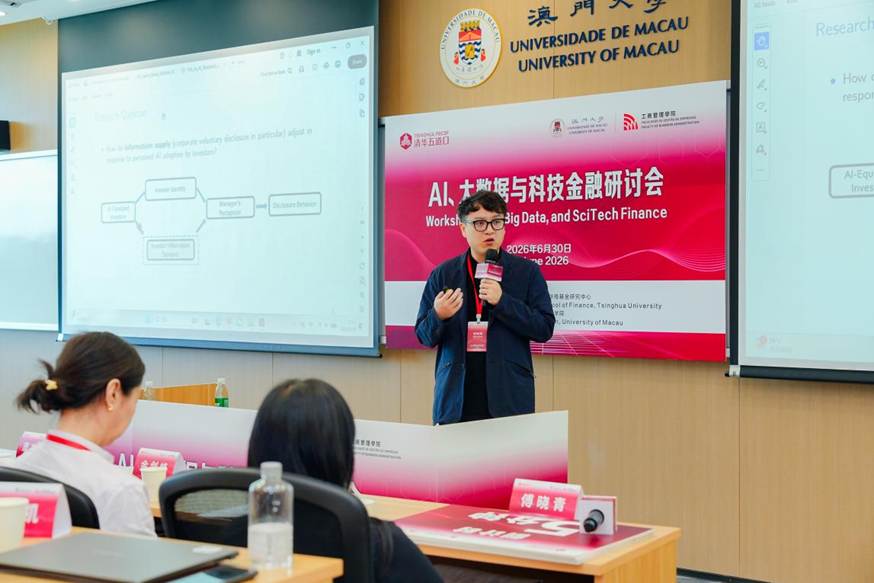
Photo: Assistant Professor Zhenghui Ni
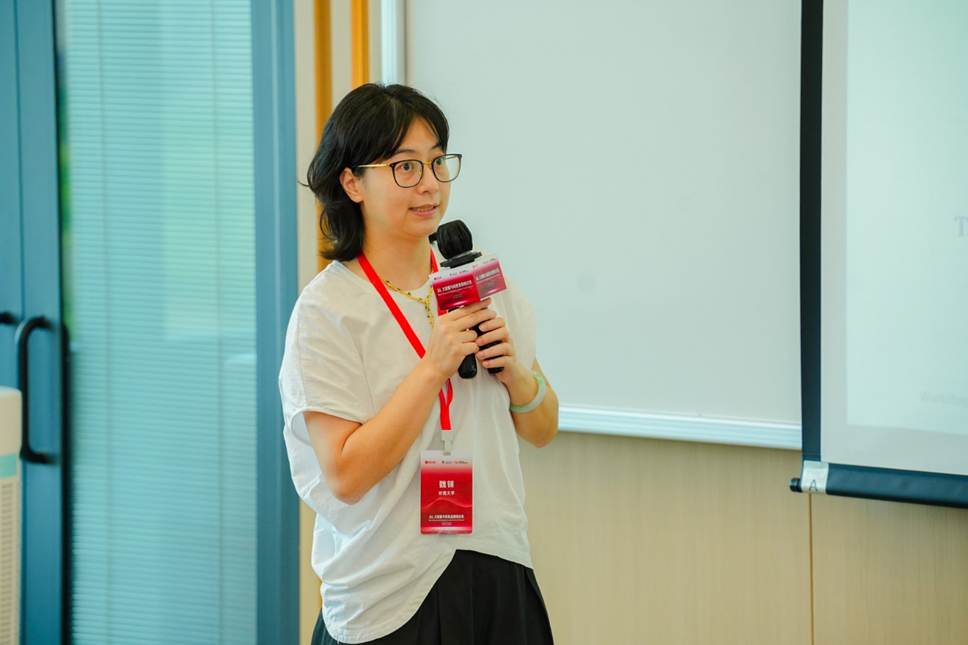
Photo: Professor Lai Wei
The keynote session was chaired by Professor Degui Li, Distinguished Professor of Business Economics and Associate Dean for Research and Development at the Faculty of Business Administration, University of Macau, who also introduced the two keynote speakers.
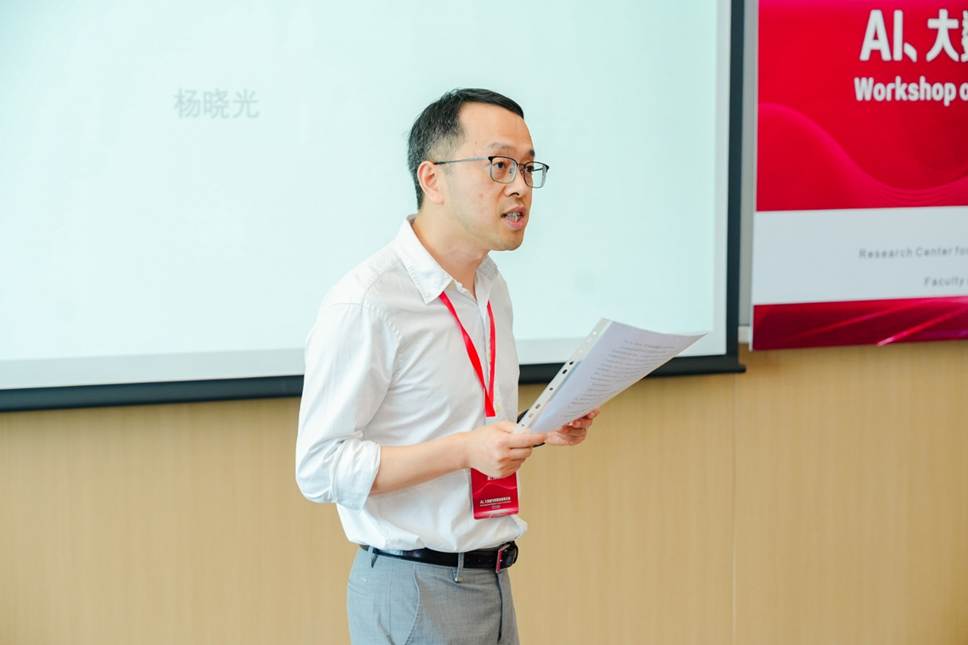
Photo: Professor Degui Li
The first keynote speaker was Professor Xiaoguang Yang of the School of Economics and Management at China University of Petroleum-Beijing and the School of Management at the University of Chinese Academy of Sciences. Professor Yang noted that large language models, centered on connectionism and integrating two other major AI paradigms, generate emergent capabilities through large-scale data and model parameters. These models can be applied across a wide range of fields, including quantitative finance, corporate innovation measurement, and cutting-edge academic research, with significant results. However, prolonged reliance on such models may weaken human autonomous cognition. Human-AI collaboration is therefore essential to fully realize their value. Professor Yang also noted that AI-driven digitalization and intelligent transformation are reshaping economic production models.
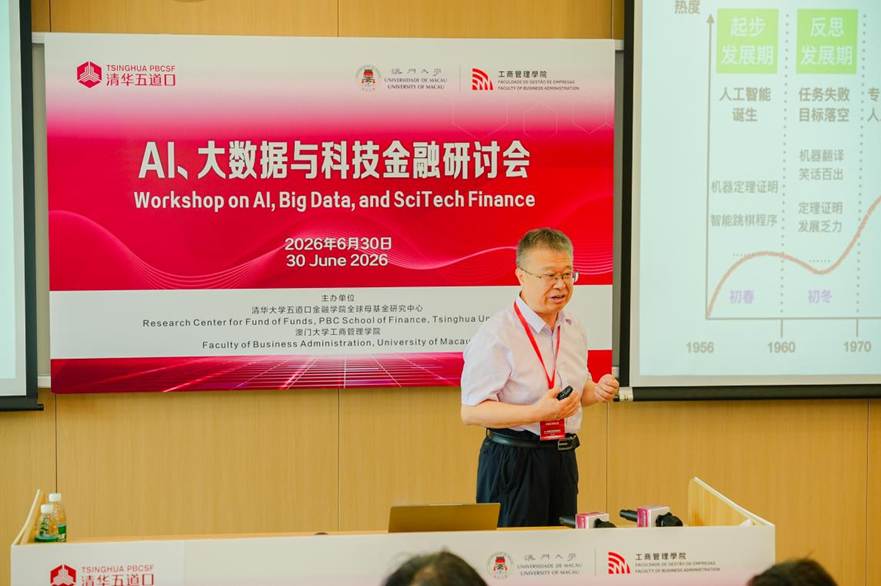
Photo: Professor Xiaoguang Yang
The second keynote speaker was Professor Jianfeng Yu, Chair Professor at the School of Economics and Management, Tsinghua University. Professor Yu proposed and tested a “visual extrapolation” bias arising from the human visual system’s automatic completion of price charts. The bias was found to significantly predict short-term stock returns. Using a computer vision model without financial knowledge to simulate this visual process, the study found that stocks with higher visually predicted returns tended to rise on the following day but subsequently decline over the next several days, exhibiting an “impulse-correction” pattern. The findings suggest that investors tend to overreact in the short term.
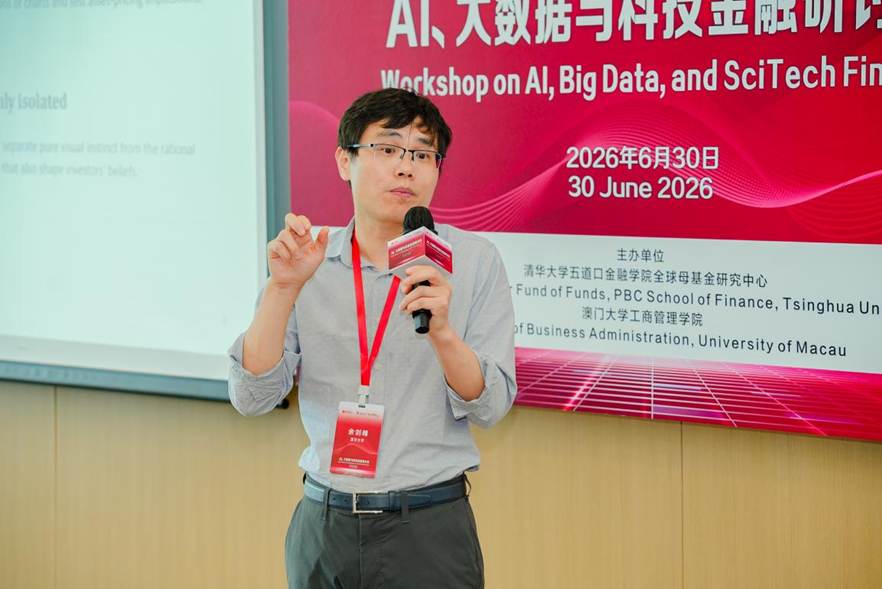
Photo: Professor Jianfeng Yu
The third session, themed “Artificial Intelligence and Policy,” was chaired by Professor Shiyang Huang of the Faculty of Business and Economics, The University of Hong Kong.
PhD candidate Yuezhi Wu of Fudan University presented the paper AI Sovereignty. The study found that firms affected by sovereignty considerations delayed the adoption of overseas AI technologies following the launch of ChatGPT, while accelerating the deployment of domestic AI following the release of DeepSeek. Assistant Professor Xiang Yin of the School of Economics and Management, Tsinghua University, provided comments on the paper.
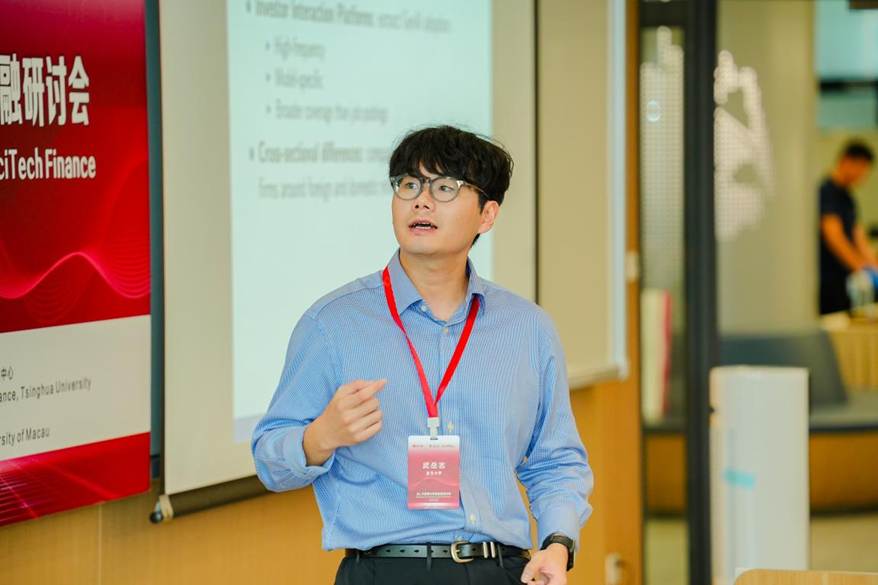
Photo: Yuezhi Wu
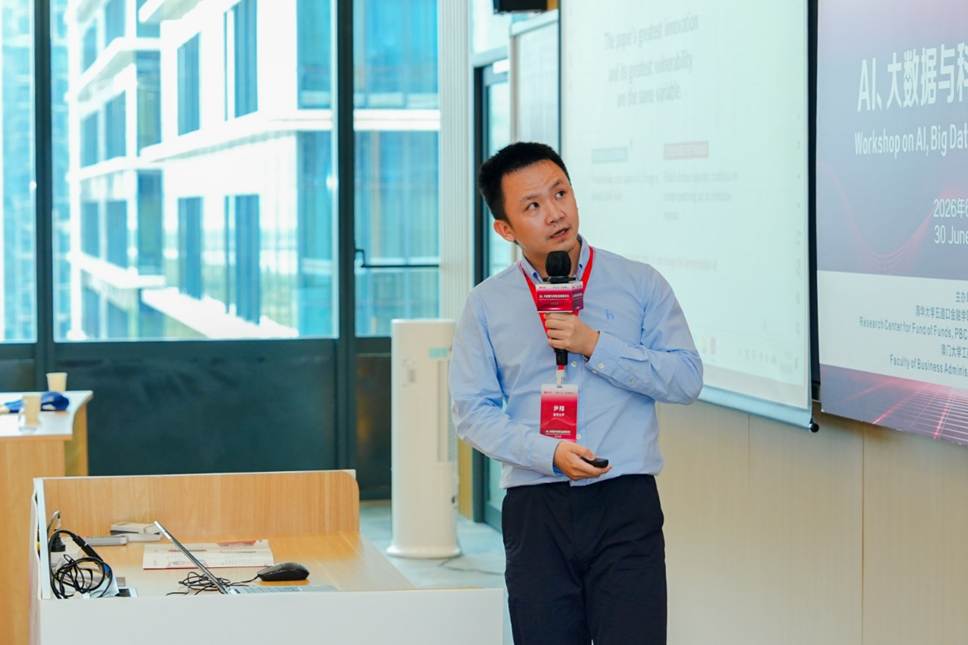
Photo: Assistant Professor Xiang Yin
Professor Xu Feng, Head of the Department of Finance at the College of Management and Economics, Tianjin University, presented the paper Computing Infrastructure and AI Innovation: Data Quality Over Quantity. Using the approval batches of Internet Data Center (IDC) licenses as a quasi-natural experiment, the study found that the deployment of computing infrastructure significantly increased AI-related patent applications by Chinese listed companies. The study further found that infrastructure-driven AI innovation improved firms’ future profitability and reduced default risk. Professor Chenyu Shan, jointly appointed by the School of Finance and the Dishui Lake Advanced Finance Institute of Shanghai University of Finance and Economics, provided comments on the paper.
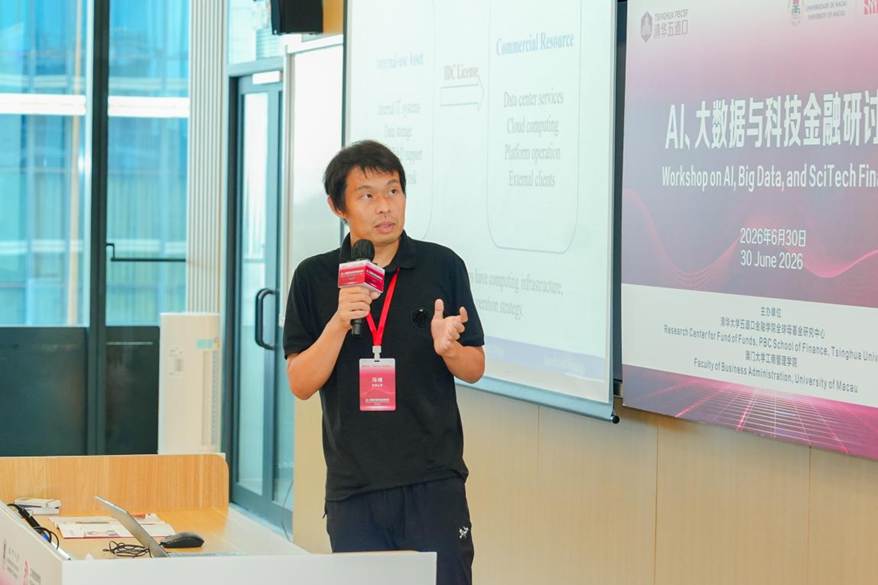
Photo: Professor Xu Feng
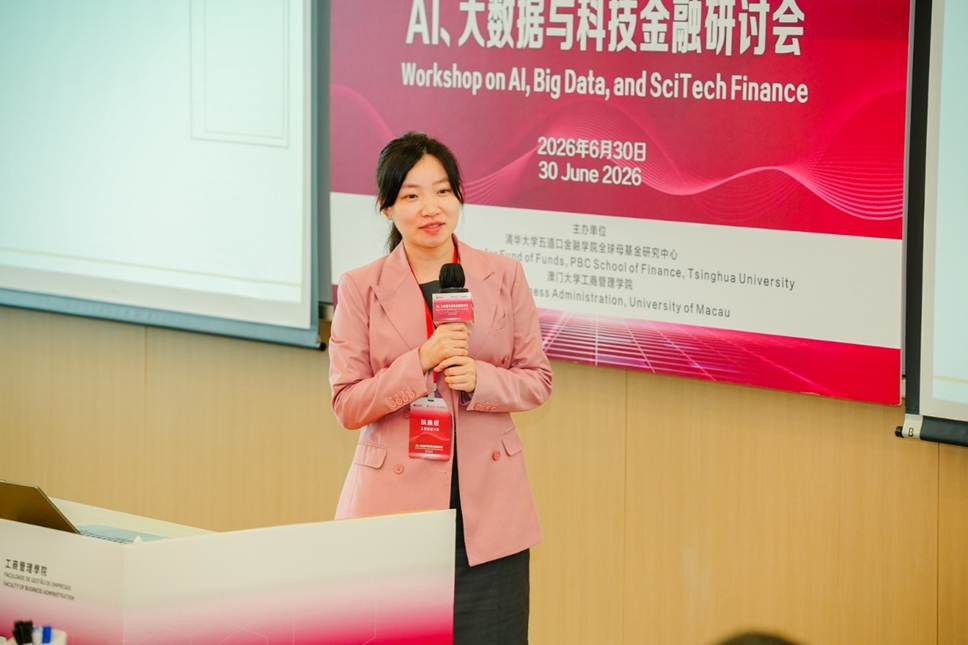
Photo: Professor Chenyu Shan
The fourth session, themed “Artificial Intelligence and Information,” was chaired by Assistant Professor Huaixin Wang of the University of Macau.
Assistant Professor Xudong Wen, who is set to join the University of Macau, presented the paper The Information Constraint in Market-based Sanctions Enforcement. The study found that the widespread occurrence of sanctions violations is primarily attributable not to insufficient compliance incentives, but to the limited ability of third-party intermediaries to identify violators. Associate Professor Bo Li of the Guanghua School of Management, Peking University, provided comments on the paper.
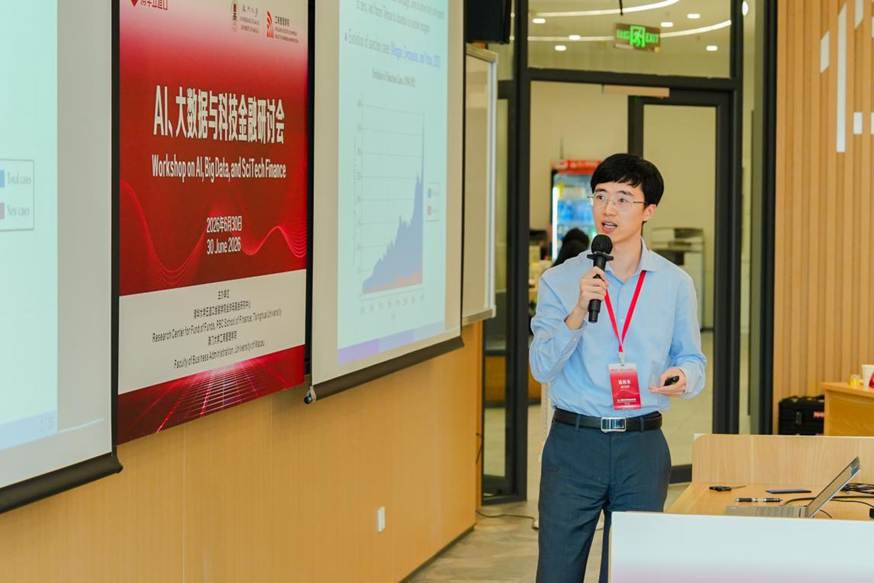
Photo: Assistant Professor Xudong Wen
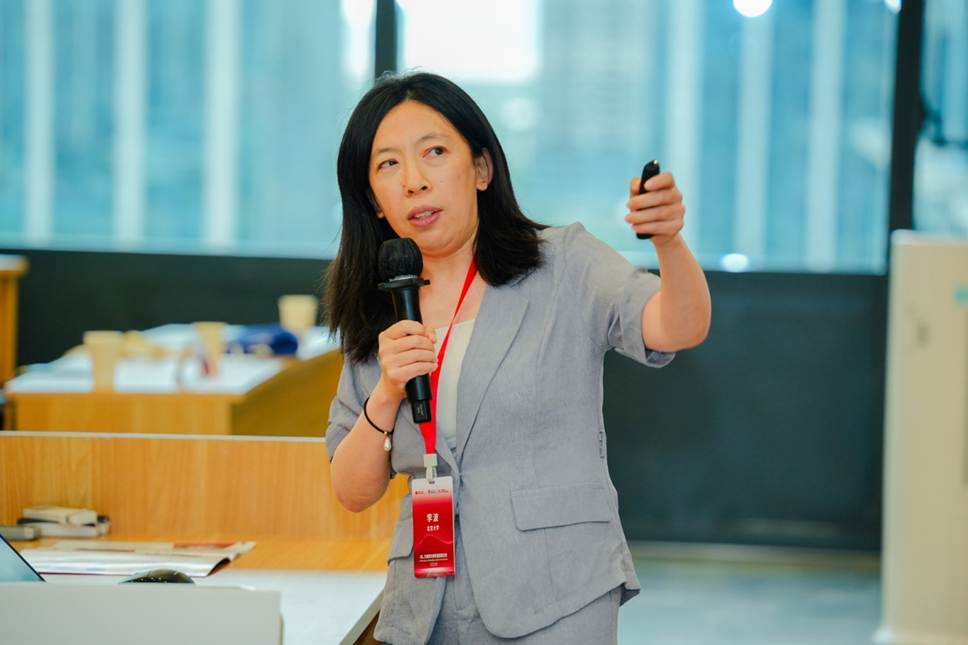
Photo: Associate Professor Bo Li
Associate Professor Tianyu Wang of the School of Economics and Management, Tsinghua University, presented the paper Does Artificial Intelligence Reduce Investor Disagreement? Evidence from AI-Human Interactions Data. The study found that AI-generated answers influence users’ beliefs. However, as interactions deepen, users’ beliefs become increasingly polarized, with the divergence primarily arising from growing disagreement across topics. Associate Professor Weikai Li of City University of Hong Kong provided comments on the paper.
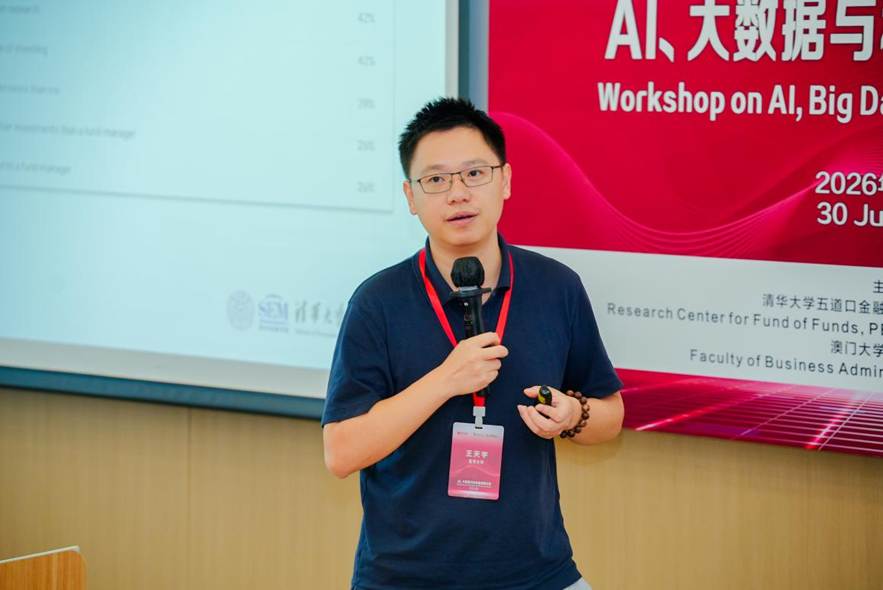
Photo: Associate Professor Tianyu Wang
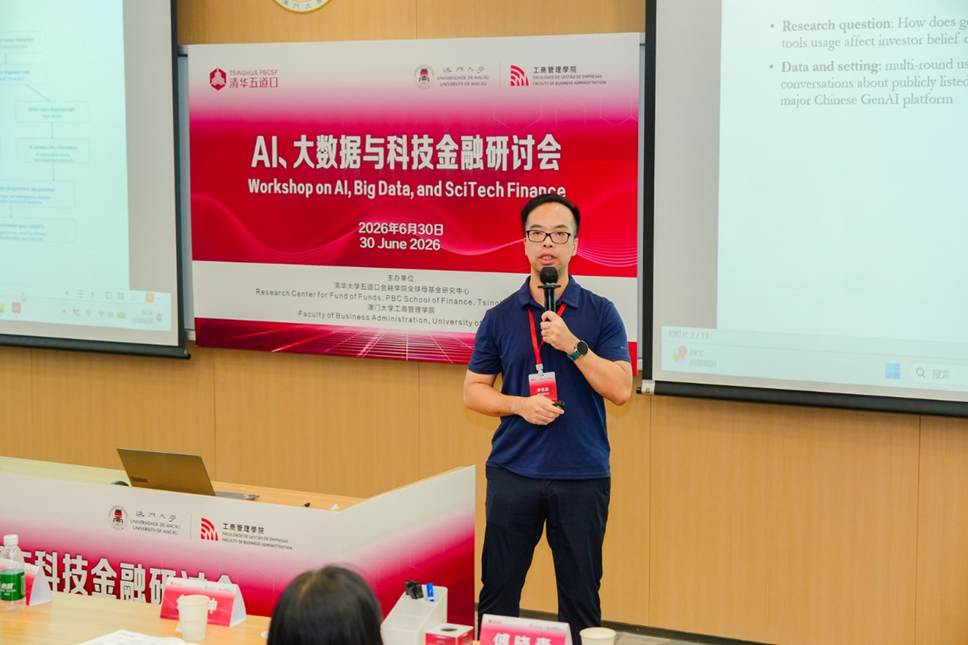
Photo: Associate Professor Weikai Li
The seminar concluded with closing remarks by Associate Professor Zhuo Chen of Tsinghua University PBC School of Finance.
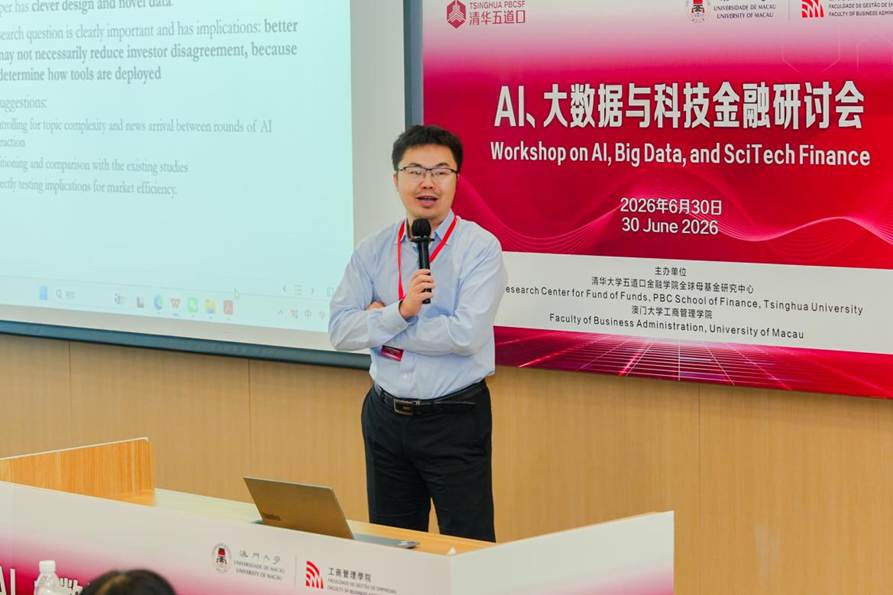
Photo: Associate Professor Zhuo Chen
Focusing on emerging frontiers in intelligent finance, the seminar brought together scholars for in-depth academic discussions on the applications of artificial intelligence in asset pricing, investment and trading, behavioral finance, financial regulation, and information mechanisms. The event provided a cross-regional and cross-institutional platform for academic exchange in finance, contributing to digital finance innovation in the Guangdong-Hong Kong-Macao Greater Bay Area and the high-quality development of financial research and education in China.