On November 4, 2025, the closed-door international seminar “Tackling Climate Change: China and the World” was successfully held in Beijing. The event was co-hosted by the International Monetary Fund (IMF), the PBC School of Finance of Tsinghua University (PBCSF), the Academy of Contemporary China and World Studies (ACCWS), and the Shanghai Tech University Center for Education, Innovation and Sustainable Development, and jointly organized by the Global Economic Governance 50 Forum (GEG50) and the Research Center for China Financial Frontier at PBCSF. IMF Deputy Managing Director Li Bo and other senior officials and economists participated in the seminars. Min Zhu, Senior Expert Advisory Committee Member of the China Center for International Economic Exchanges (CCIEE), Former Deputy Managing Director of the IMF, chaired the sessions and delivered the opening remarks.
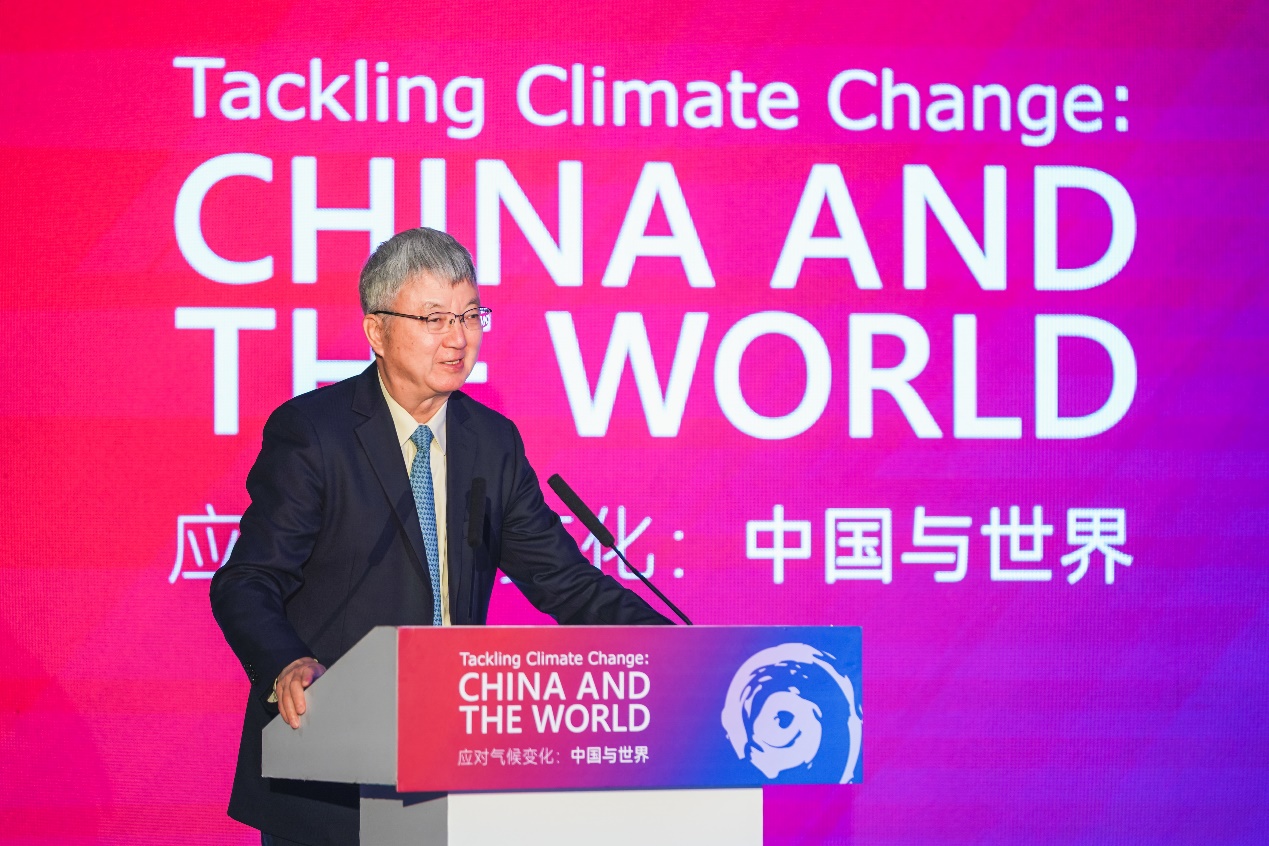
Photo: Zhu Min chairing the session
At the opening ceremony, Li Bo, Deputy Managing Director of the IMF, and Guo Yong, Deputy Secretary of the CPC Committee of Tsinghua University, delivered welcome remarks. Keynote speeches were given by Liu Zhenmin, China’s Special Envoy for Climate Change and Former Vice Minister of Foreign Affairs, and Zhao Yingmin, President of the BRI International Green Development Coalition and Former Vice Minister of Ecology and Environment.
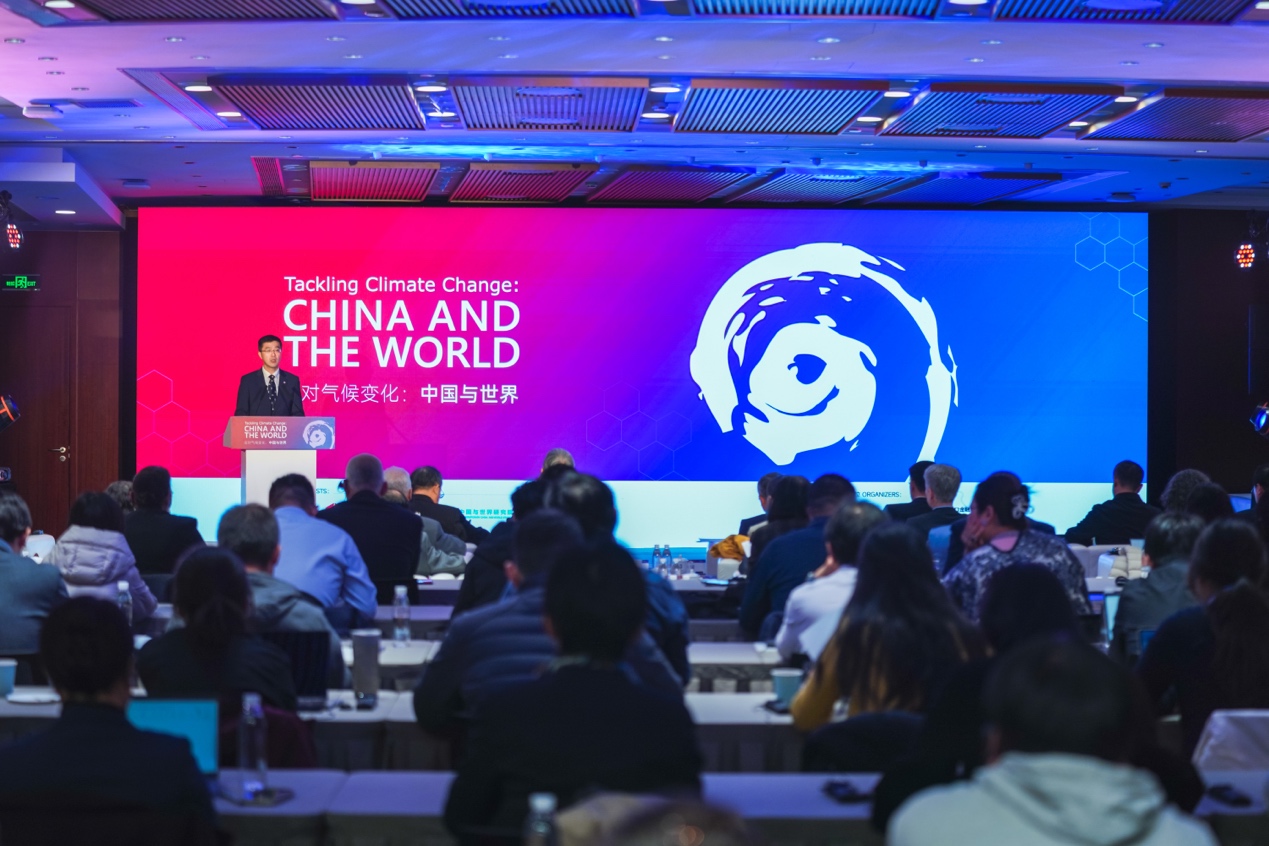
Photo: Remarks by Guo Yong
Guo Yong highlighted that climate change is profoundly reshaping the global economic and financial landscape. Achieving coordinated progress in decarbonization and development is a major challenge for humanity. He reaffirmed Tsinghua University’s commitment to supporting PBCSF in conducting high-level international academic and policy research on climate change, green transition, and global financial stability.
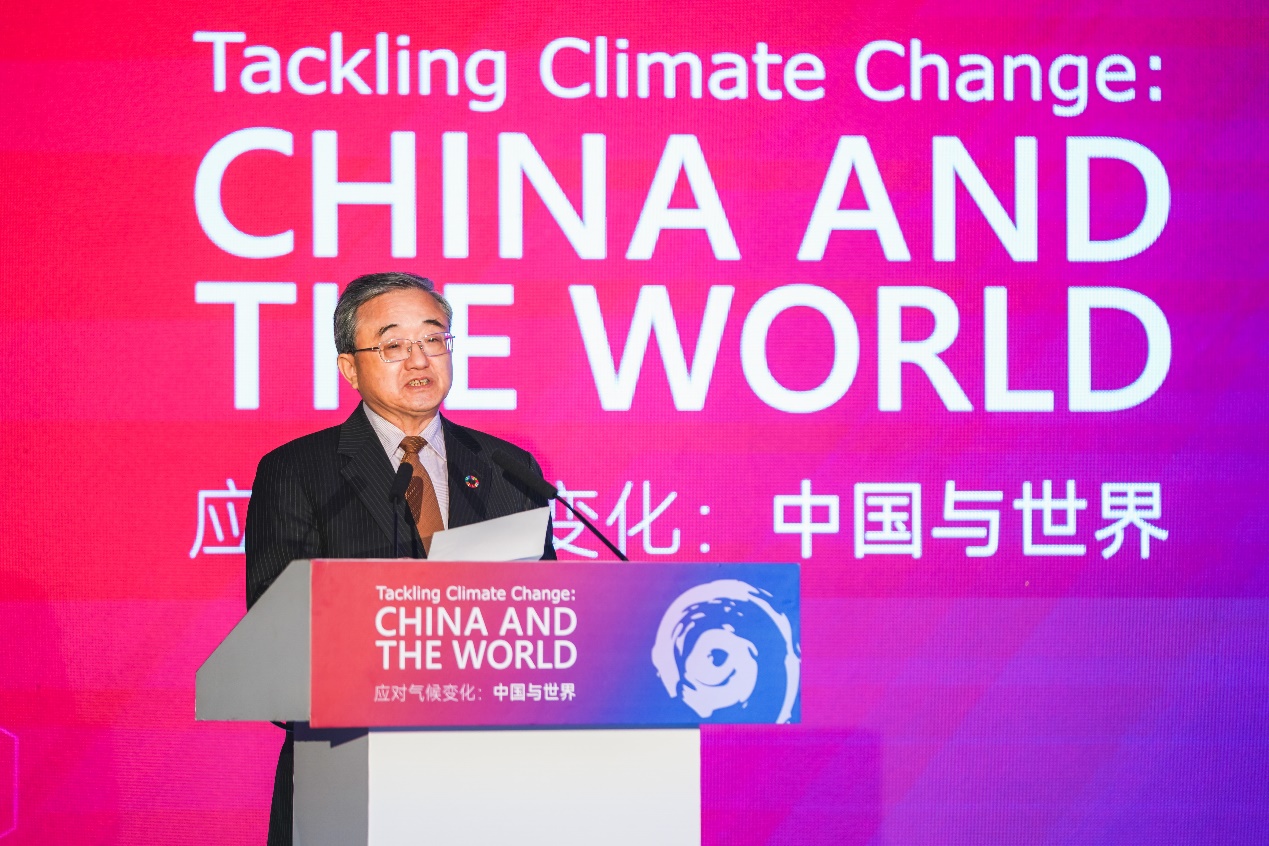
Photo: Keynote speech by Liu Zhenmin
Liu Zhenmin emphasized the significance of climate finance in accelerating energy transition and promoting green development. He noted that although global climate investment has increased, a substantial funding gap remains, while China accounts for one-third of the world’s clean energy investment. He expressed China’s readiness to work with the IMF to strengthen the international monetary system, collaborate on climate and energy transition, uphold multilateralism, and enhance support for developing countries.
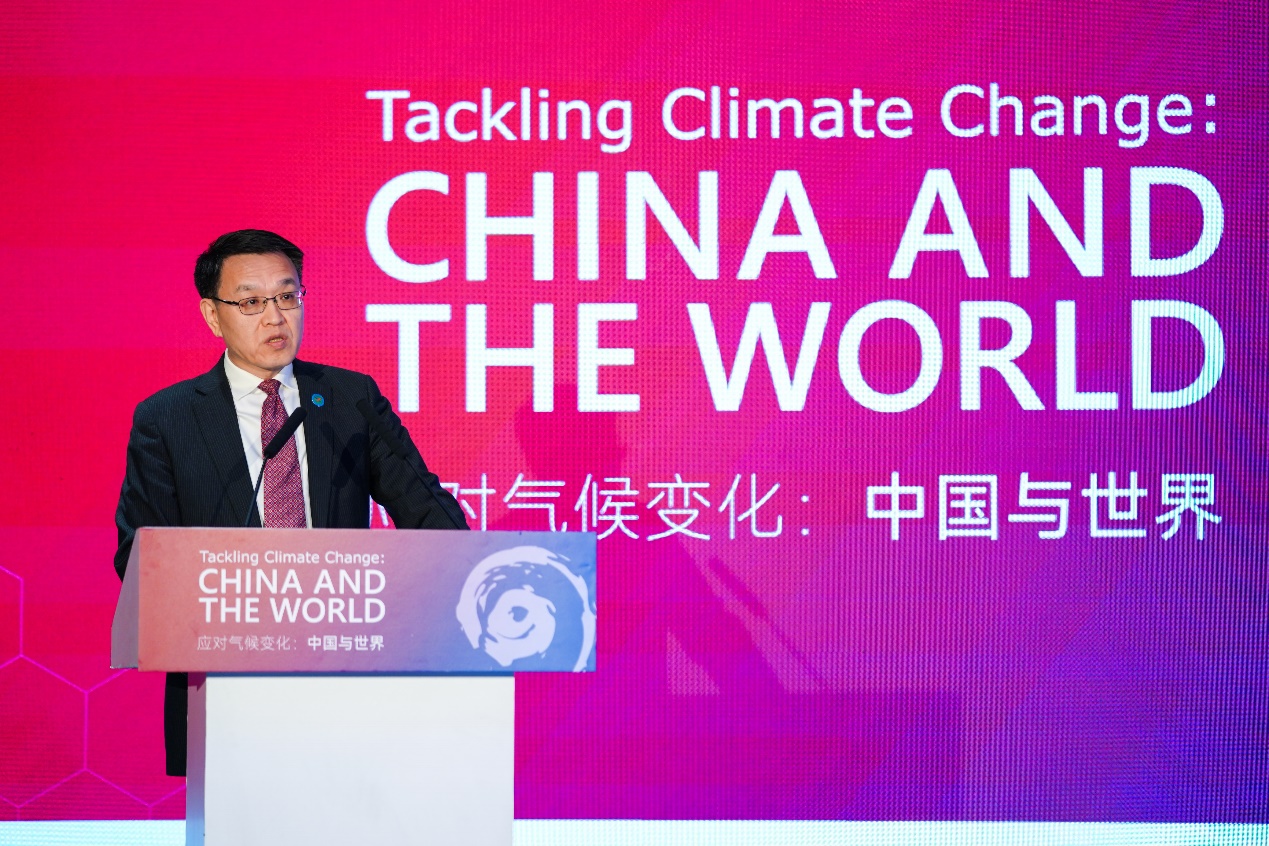
Photo: Keynote speech by Zhao Yingmin
Zhao Yingmin highlighted four key insights: First, multilateralism is the fundamental path to addressing the climate crisis, and with China’s active engagement and leadership, global climate governance continues to move forward. Second, China’s sustained efforts provide strong momentum for global climate action—annual economic growth of over 6% has been supported by just 3% annual growth in energy consumption, while CO₂ emissions per unit of GDP have fallen by more than 35% since 2012. Third, global decarbonization still faces significant challenges, and green finance is essential for bridging the climate funding gap. Fourth, the Green Belt and Road Initiative continues to play a vital and constructive role.
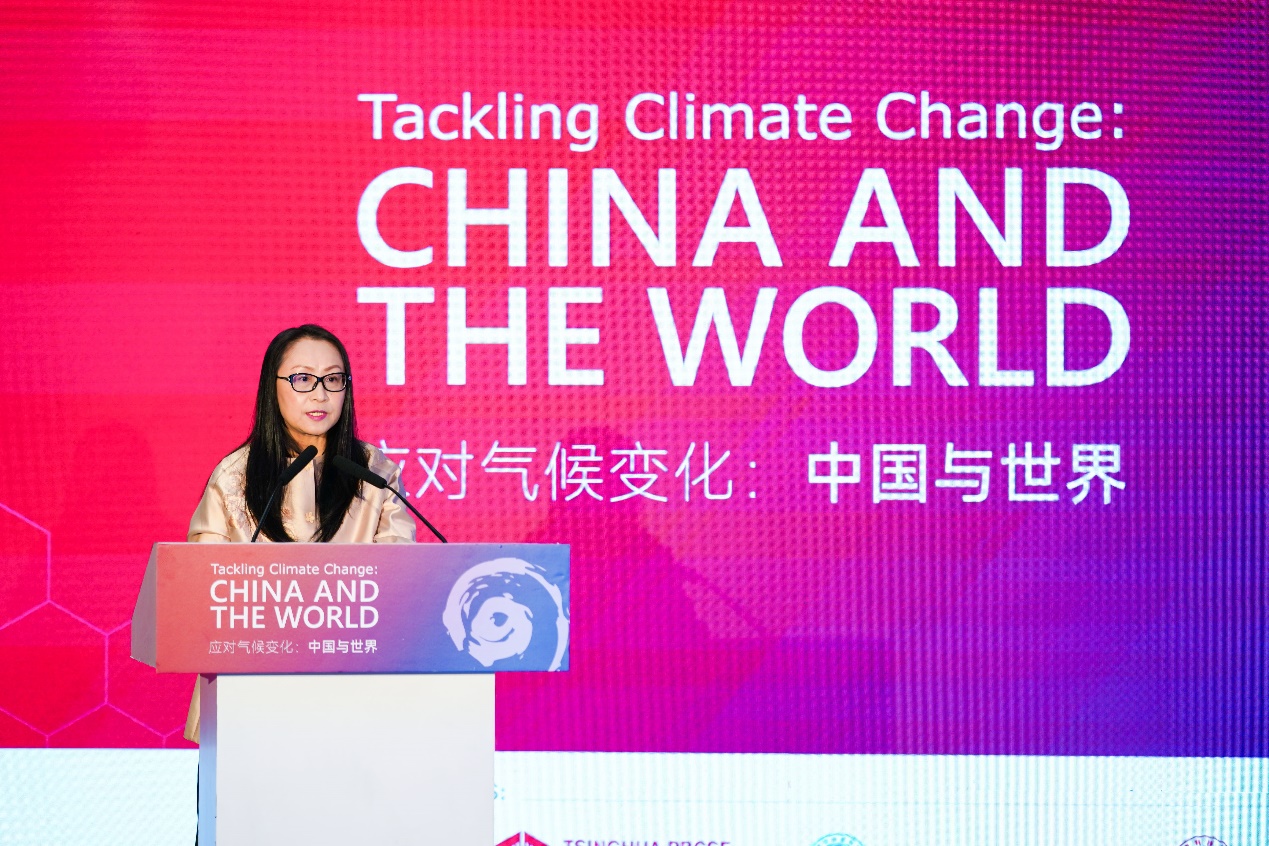
Photo: Yang Yanqing moderating the session
The session 1, “The Evolving Climate Policy Landscape” was moderated by Yang Yanqing, Director, Center for Education, Innovation and Sustainable Development, Shanghai Tech University
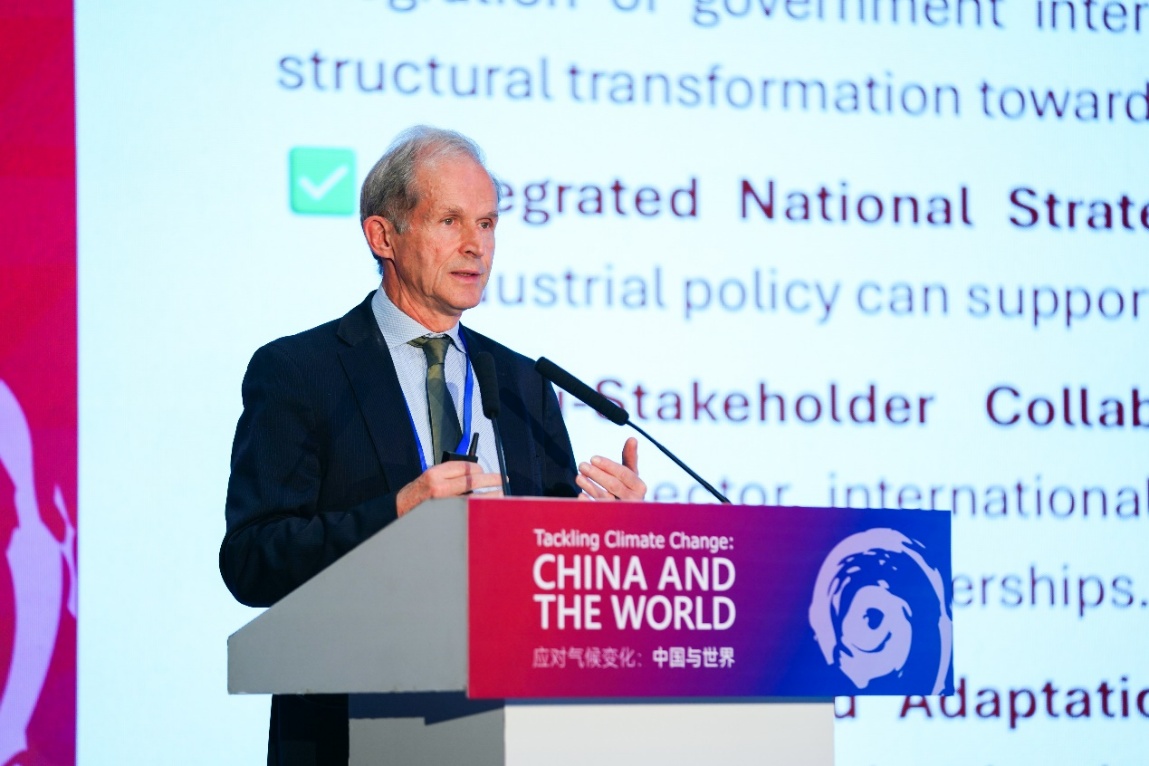
Photo: Erik Berglöf speaking
Erik Berglöf, Chief Economist of the Asian Infrastructure Investment Bank (AIIB), noted that the Paris Agreement has already begun to show tangible results, with global emissions starting to stabilize and the cost of renewable energy continuing to decline. Drawing on recent developments in China, India and Brazil, he outlined a policy framework supported by three pillars—strategic planning, market-based incentives and sound financial governance—and stressed that strong state capacity is the foundation for effective implementation. For countries with significant needs for technology and capital, he suggested establishing national cooperation platforms to coordinate domestic and international resources and to better align public policy with private investment.
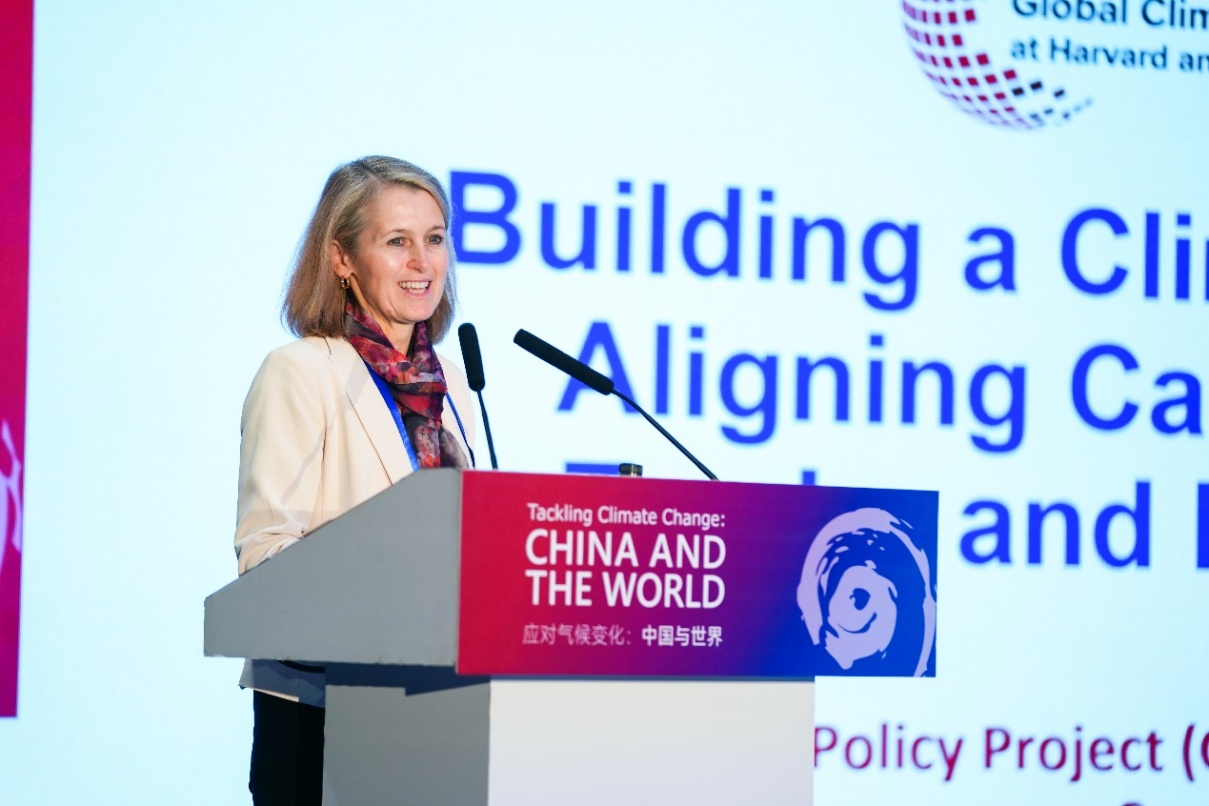
Photo: Catherine Wolfram speaking
Catherine Wolfram, William Barton Rogers Professor of Energy Economics at the MIT Sloan School of Management, presented a new proposal for building an international “climate alliance.” She argued that voluntary coordination of carbon pricing among participating countries could both raise global climate ambition and mobilize more funding for climate action. Under this proposal, member countries would commit to a minimum carbon price, initially focusing on several high-emission sectors such as steel, and would apply carbon border adjustment measures to non-members. To ensure inclusiveness, the alliance would support low- and middle-income countries through low-carbon technology transfer, dedicated climate funds and capacity-building programs. She emphasized that empirical research shows such arrangements can significantly enhance coordination on carbon pricing and provide a pragmatic pathway to stronger multilateral climate governance.
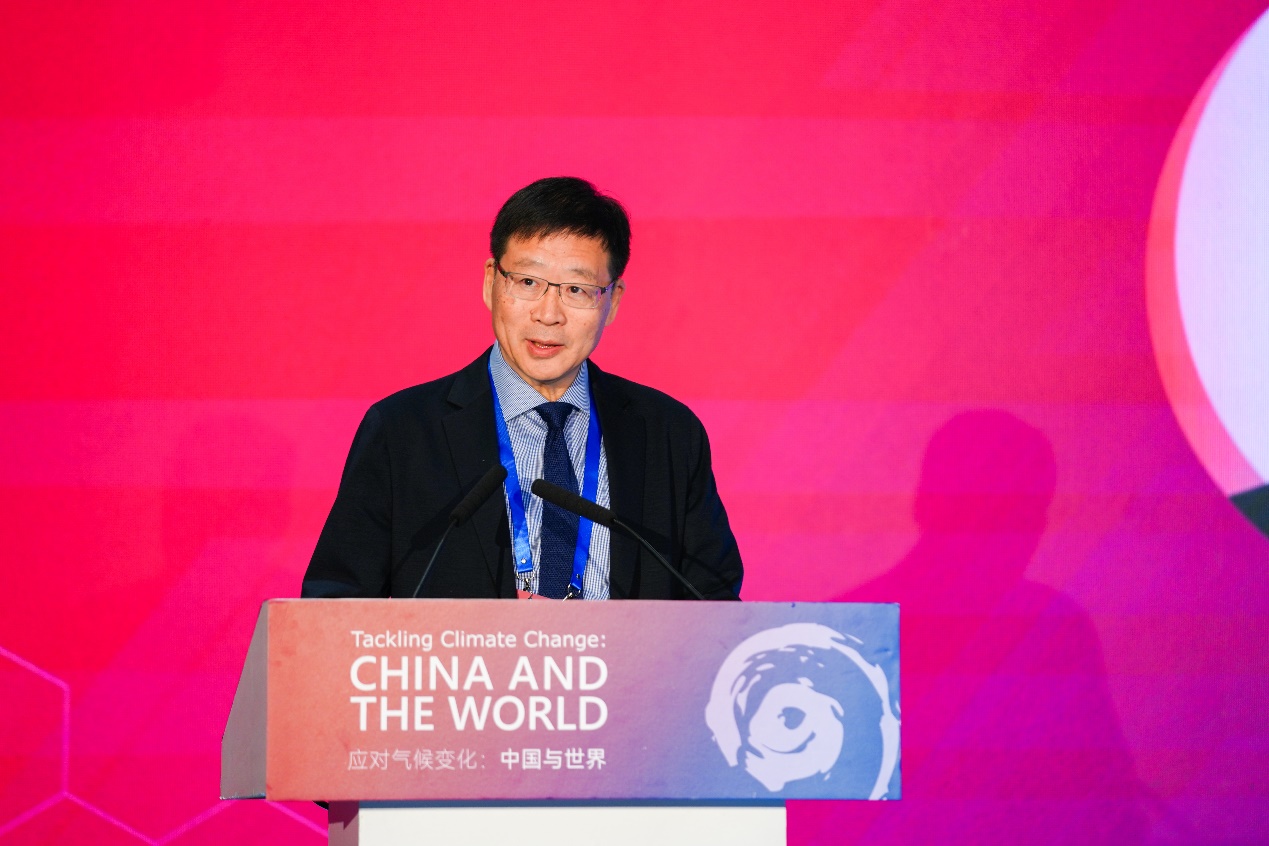
Photo: Wang Yi speaking
Wang Yi, Professor at the Institutes of Science and Development of the Chinese Academy of Sciences, observed that China is charting a path of green and intensive development and is committed to making substantive contributions to the global transition to a low-carbon economy. He stressed that the growth of China’s green industries will serve both its domestic carbon neutrality goals and global emissions reduction needs. Looking ahead to the 2035 climate targets, he pointed out that China must tackle the challenges of decoupling energy consumption from GDP growth, overcoming technological bottlenecks and promoting industrial restructuring. Even in a context where political will for international cooperation is uneven, China remains committed to rules-based multilateralism and is actively advancing South–South cooperation, while seeking to work with developed countries to support country-specific green transitions in developing economies.
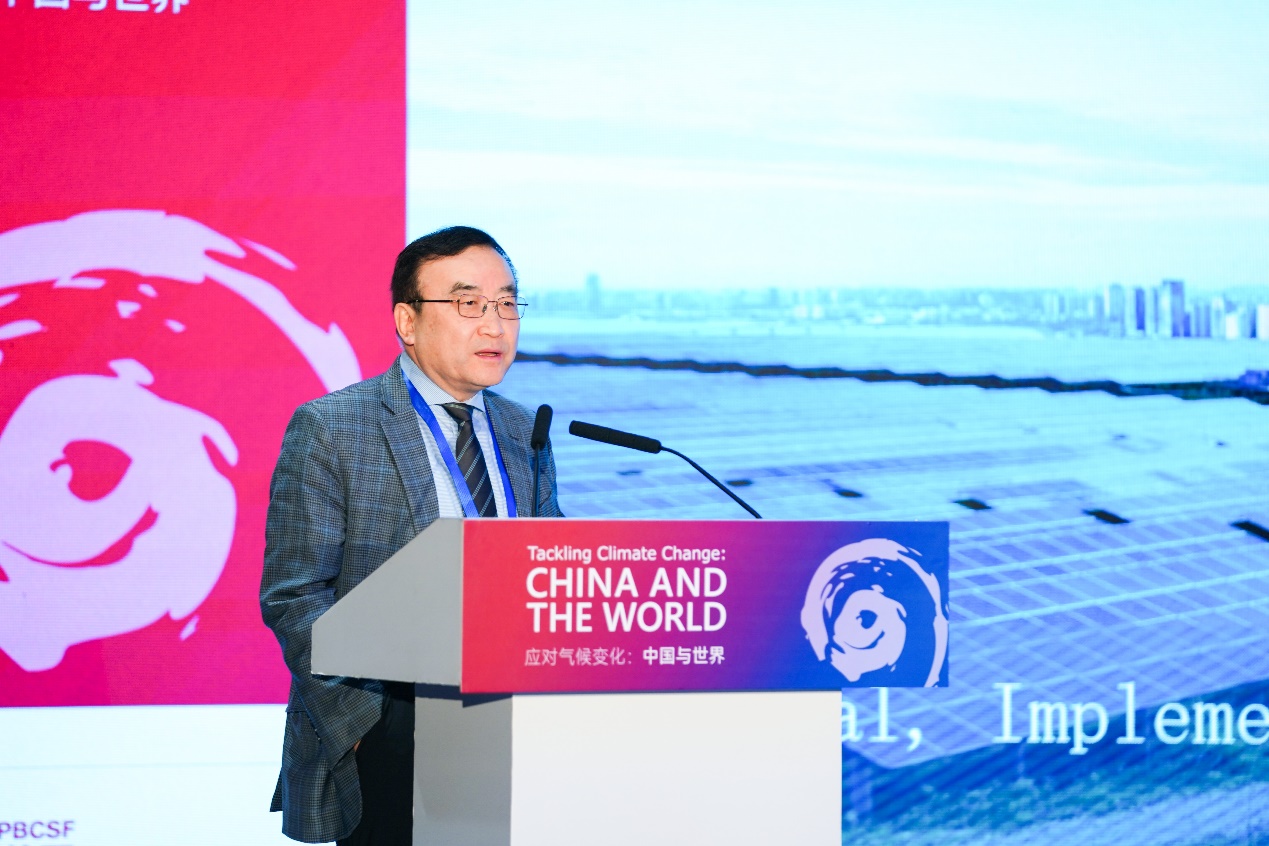
Photo: Zou Ji speaking
Zou Ji, CEO and President of Energy Foundation China, underlined that achieving climate goals requires fully activating market forces and unleashing the potential of the private sector. In his view, government policy should convert national climate commitments into clear and credible market signals so that investors can anticipate long-term demand for green technologies and low-carbon solutions. He stressed that institutional innovation and the reduction of transaction costs are just as important as technological breakthroughs themselves. Over the past decade, the sharp decline in the cost of green technologies in China has significantly boosted confidence in large-scale deployment and has also highlighted the importance of global technological cooperation and stable supply chains. He called for sustained policy reform and continuous strengthening of the capacities of market participants and local practitioners.
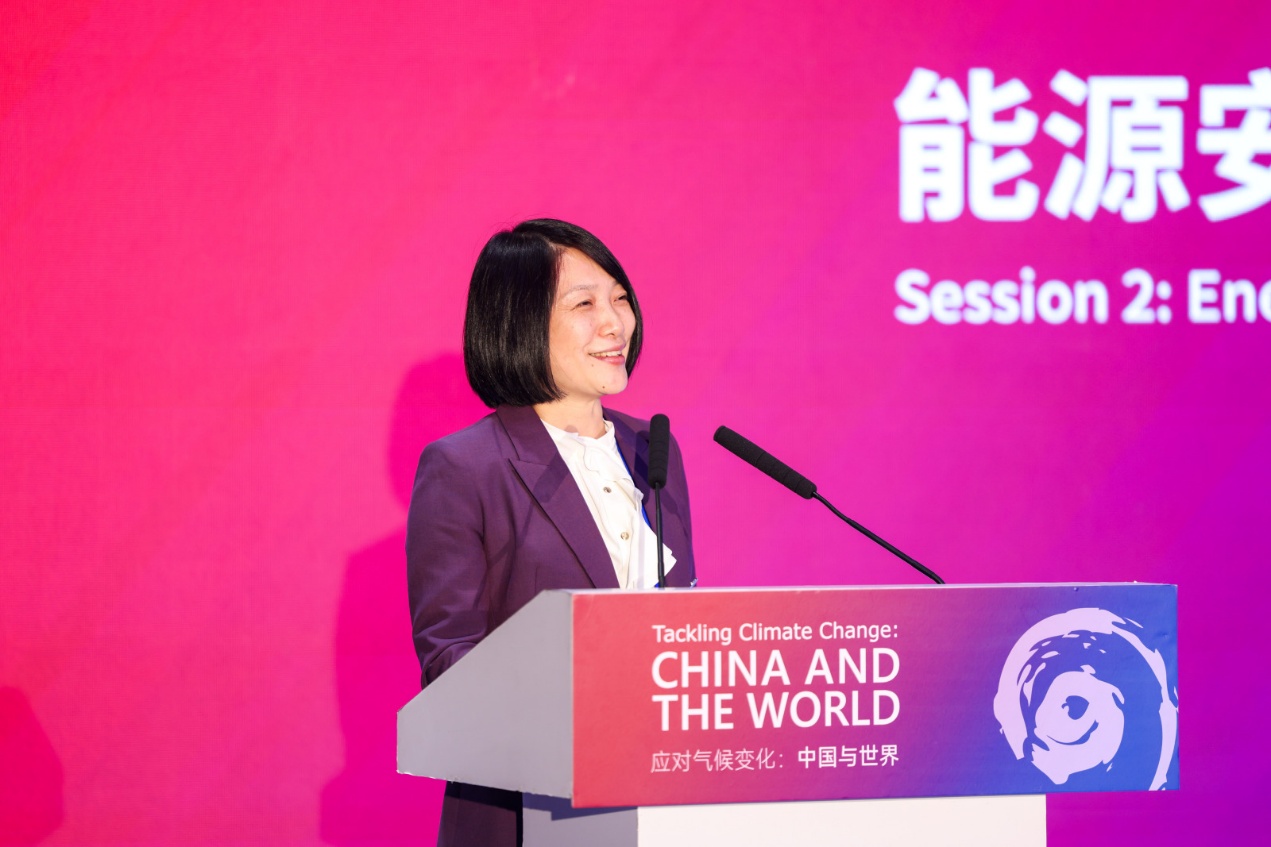
Photo: Wang Yao moderating the session
The second session, “Energy Security, Green Transition and Transition Management,” was moderated by Wang Yao, Dean of the International Institute of Green Finance at the Central University of Finance and Economics.

Photo: Thomas Heller speaking
Thomas Heller, Chairman of the Board and Senior Strategic Advisor at the Climate Policy Initiative and Professor at Stanford Law School, identified three core challenges facing global decarbonization efforts: the pace of emissions reduction remains slower than expected, the remaining global carbon budget is rapidly shrinking, and carbon removal and accounting frameworks must be significantly strengthened. He argued that macroeconomic conditions—such as high capital costs, insufficient system integration, deficiencies in market design and elevated transition risks—are key reasons why global decarbonization is lagging behind scientific recommendations. Heller called for reforming carbon accounting systems by shifting the focus from “avoided emissions” to clear “carbon removal responsibilities.” He proposed building a risk-based carbon asset market that incorporates carbon removal credits of different maturities into trading systems, thereby improving the effectiveness of carbon pricing and creating stronger incentives for technological innovation.
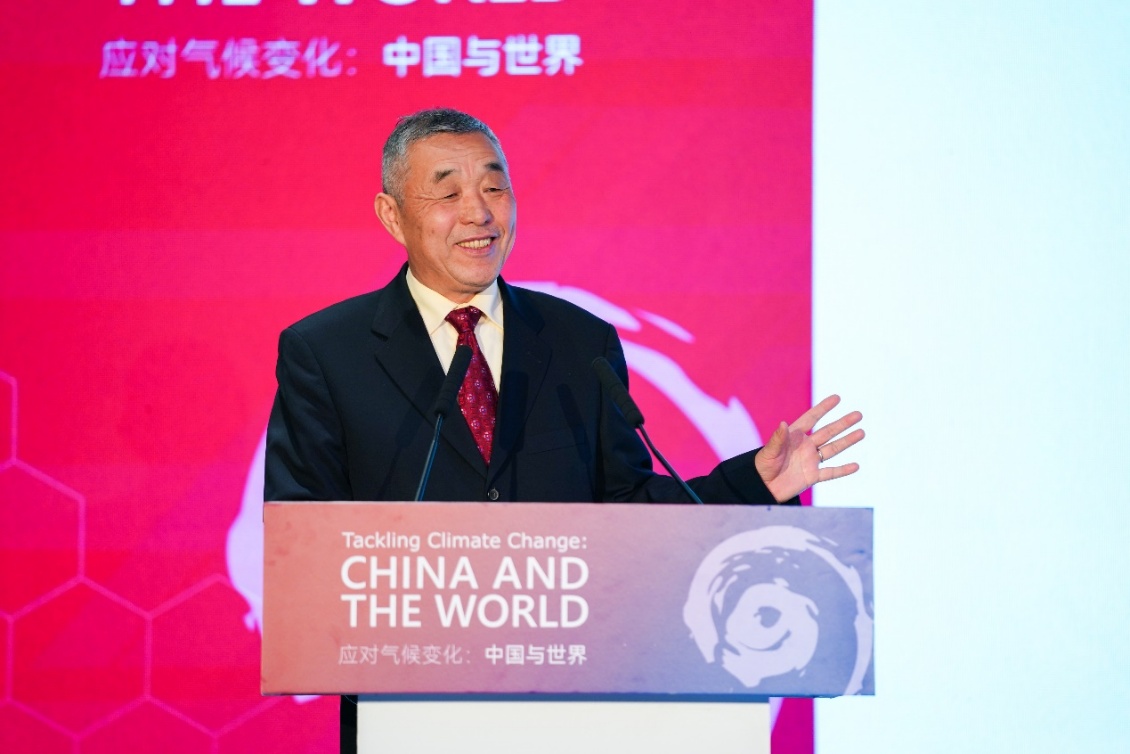
Photo: Li Junfeng speaking
Li Junfeng, Executive Council Member of the China Energy Research Society, reflected on global developments since the adoption of the United Nations Framework Convention on Climate Change in 1992. He argued that the overall trajectory of the global green transition has broadly met expectations and, in some respects, outperformed early forecasts. In his view, the essence of the transition lies in shifting the foundations of economic and social development from “resource dependence” to “technology dependence.” While the United States and the European Union have managed to reduce emissions while maintaining GDP growth, China has built the world’s most comprehensive industrial system and now leads in sectors such as renewable energy, electric vehicles and energy storage. He stressed that China regards energy transition as a key pillar of green development and considers the construction of a new power system as critical technological support. He also called for stronger international cooperation and expressed the hope that the United States will re-engage more fully in the global sustainable development agenda.
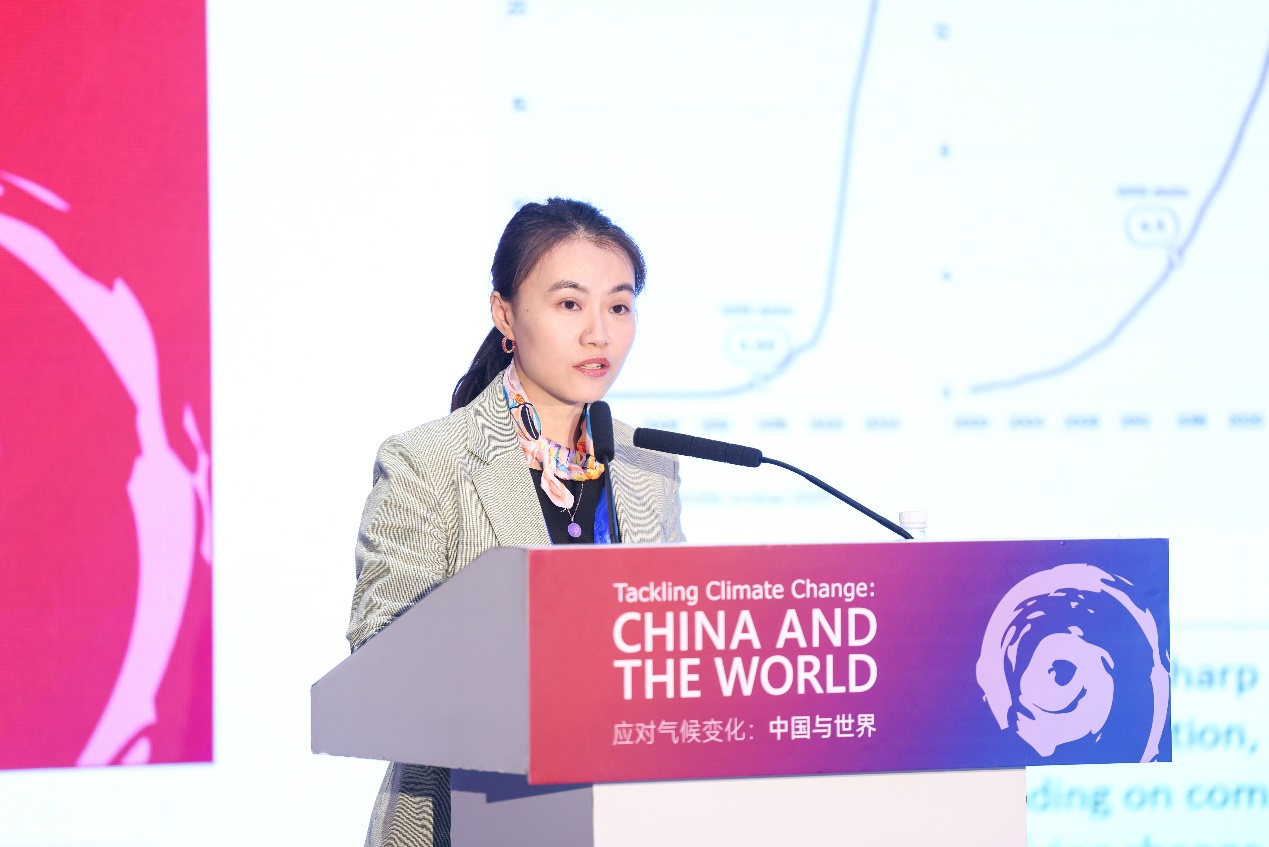
Photo: Zheng Yuan speaking
Zheng Yuan, Climate Change Specialist in the Strategy, Policies and Partnerships Department of the New Development Bank, pointed out that global climate finance has continued to increase in recent years and that private financing has now surpassed public funding. However, emerging markets and developing economies still face major challenges in accessing affordable climate finance. She noted that multilateral development banks play a pivotal role in this area, providing a total of 136.6 billion US dollars in climate finance in 2024, an increase of 10 percent over the previous year, with 85.1 billion US dollars flowing to low- and middle-income countries. She emphasized that multilateral development banks support a “just transition” by helping countries balance climate objectives with broader social and economic development goals.
The third session, “China’s Climate Strategy and Policies during the Fifteenth Five-Year Plan,” centered on China’s medium- and long-term climate goals, policy pathways and international cooperation.
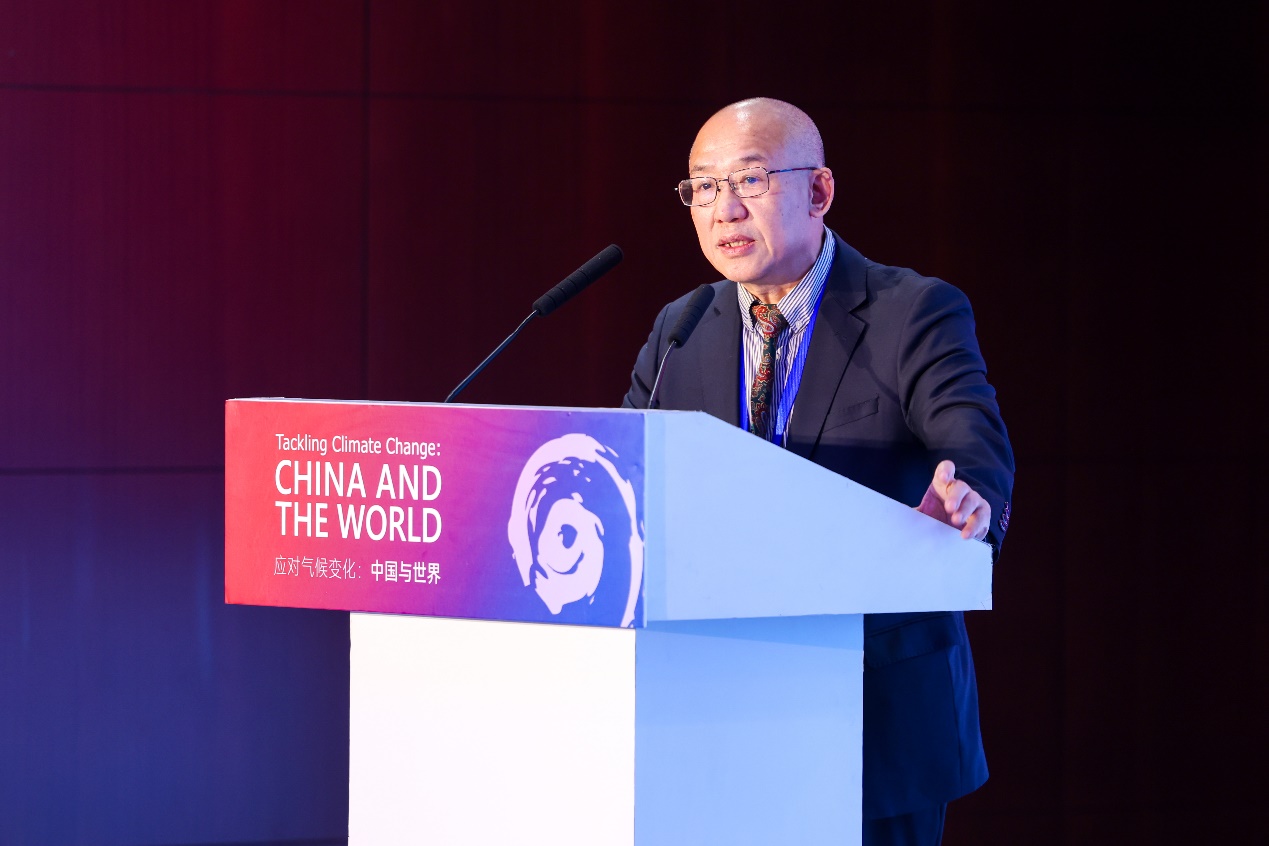
Photo: Gao Shiji speaking
Gao Shiji, Director of the Resource and Environment Policy Institute at the Development Research Center of the State Council, provided a systematic overview of the strategic positioning of green development in the upcoming Fifteenth Five-Year Plan. He emphasized that China is advancing coordinated governance under the guiding framework of its “dual-carbon” goals, promoting simultaneous progress in reducing carbon emissions, cutting pollution, expanding green development and sustaining economic growth. He noted that China has built a comprehensive “1+N” policy framework and has learned to pursue technological innovation in an open market environment. Despite increasing external uncertainties, Gao expressed confidence that China can achieve a low-carbon transition through continuous innovation, particularly by making broad and deep breakthroughs in green technologies.
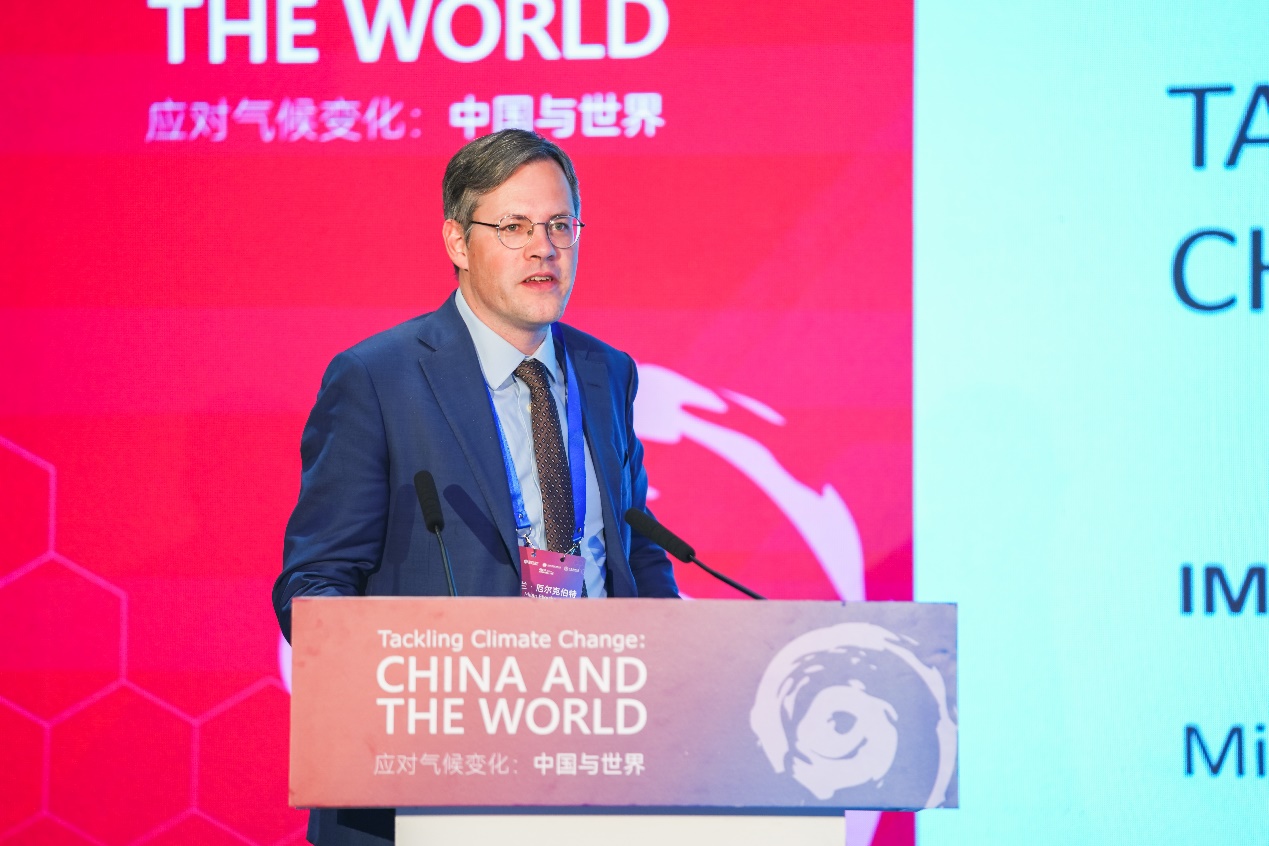
Photo: Milan Elkerbout speaking
Milan Elkerbout, Fellow at Resources for the Future, analyzed China’s updated nationally determined contribution from an international comparative perspective. He highlighted that China’s pledged absolute emissions reductions are unprecedented in scale and that its deployment of clean technologies and the transformation of high-carbon assets will have profound implications for global industrial and supply chains. He paid particular attention to the evolution of China’s carbon market from an intensity-based approach to one that increasingly incorporates absolute emissions trading, as well as the potential impact on China’s industrial competitiveness of external measures such as the European Union’s Carbon Border Adjustment Mechanism. He suggested that China’s carbon market could further improve liquidity and price discovery by bringing a broader range of market participants into the system.
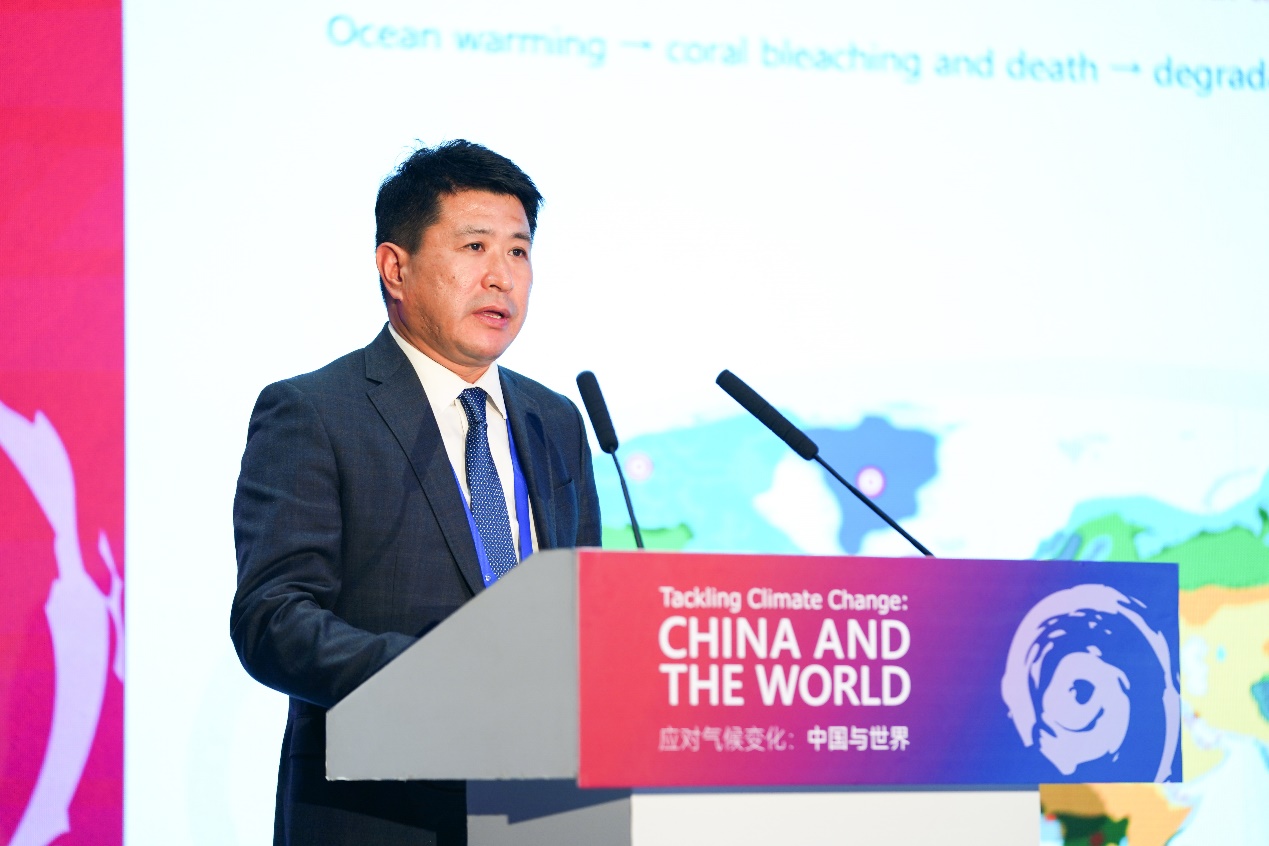
Photo: Zhang Jian speaking
Zhang Jian, Vice President of the Institute of Climate Change and Sustainable Development at Tsinghua University, extended the discussion to climate adaptation and resilience. He cautioned that climate change is pushing multiple components of the Earth system close to critical tipping points and argued that climate adaptation needs to be elevated to the same strategic importance as mitigation. Zhang introduced China’s national efforts to build a climate-resilient society, including the development of early warning systems and the promotion of resilient cities, and called for integrating resilience thinking into overall development planning and investment decisions.
The fourth session focused on how China, multilateral institutions and partners in the Global South can work together to co-create an inclusive, scalable and resilient climate finance ecosystem.
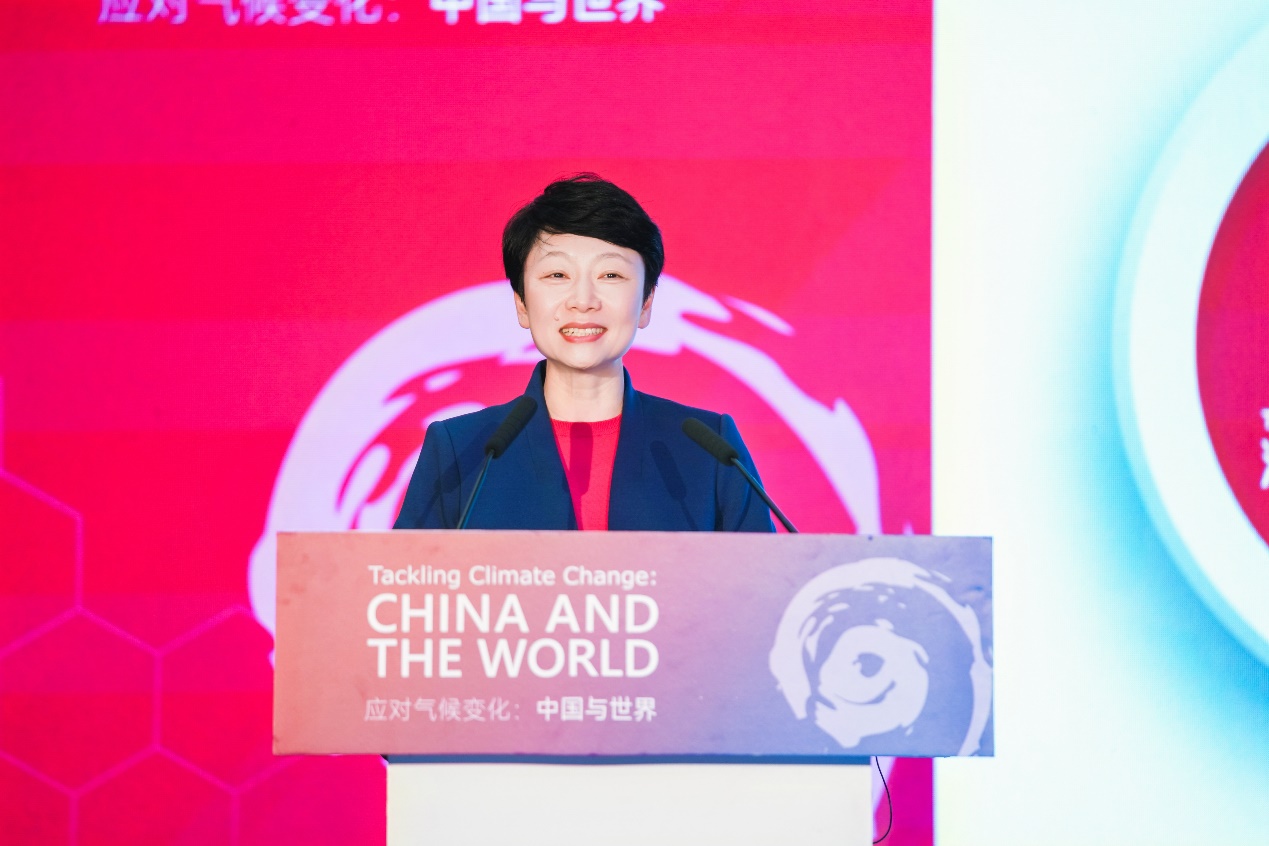
Photo: Zhang Xiaoyan speaking
Zhang Xiaoyan, Associate Dean of the PBC School of Finance at Tsinghua University, spoke from the perspective of China’s capital markets about using data to measure and price climate risks. She explained how physical risks and transition risks are differentiated by sector and time horizon, and noted that China’s outstanding volume of green loans and green bonds is now among the largest in the world. She emphasized that in order to truly broaden the participation of private capital, markets must be able to “see” and “accurately price” different types of climate risks and opportunities. Only by linking financial returns to emissions reduction, adaptation and resilience outcomes, she argued, can research, policy and financial products be effectively connected to meet the climate finance needs of developing economies.
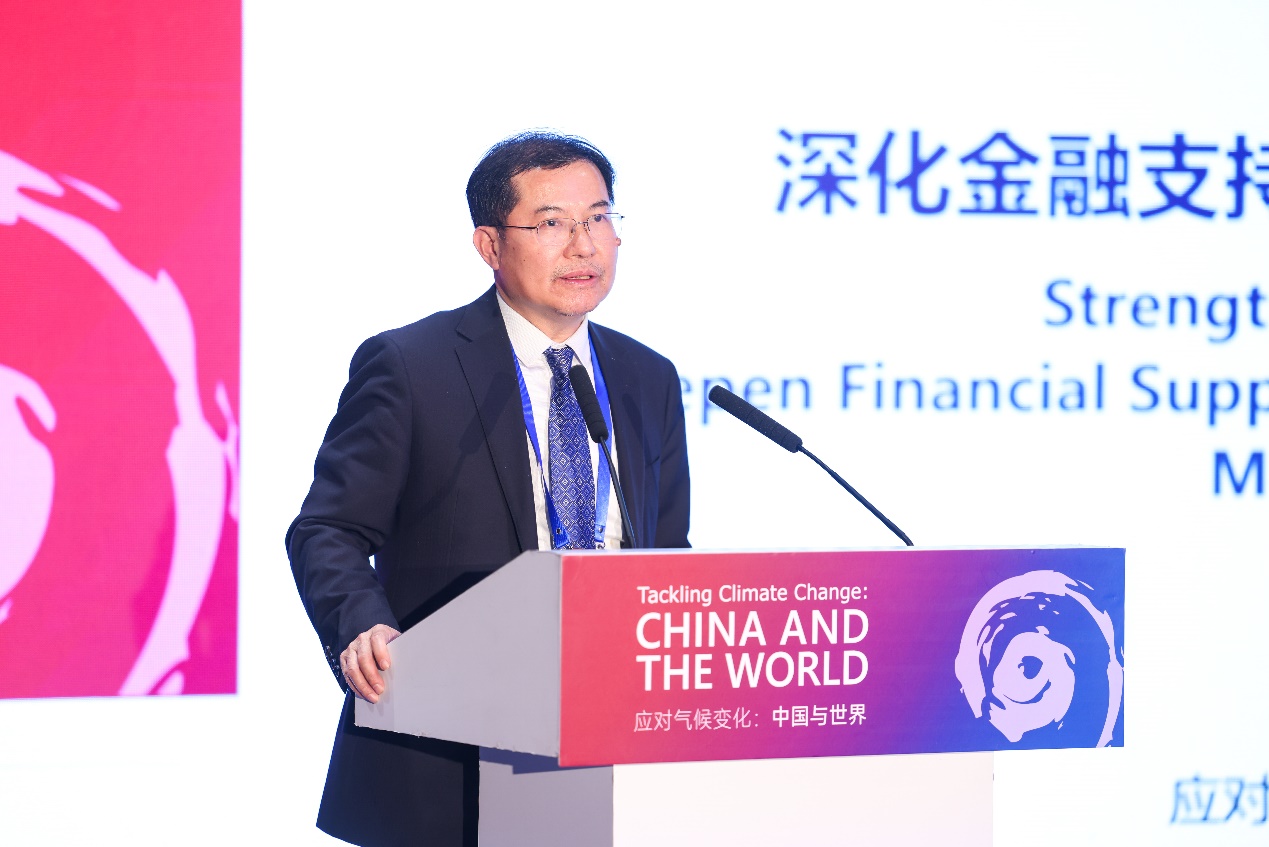
Photo: Wang Xin speaking
Wang Xin, Director General of the Research Bureau of the People’s Bank of China and Co-Chair of the G20 Sustainable Finance Working Group, called for strengthening international cooperation and deepening the integration of climate mitigation and adaptation through financial policies and instruments. He stressed the need to further improve sustainable finance standards, to promote the wider use of the Common Ground Taxonomy, and to support the development of green trade and cross-border green investment. He also highlighted the importance of piloting biodiversity-related finance tools, encouraging innovation in insurance and bond products to support nature-based solutions, and enhancing South–South cooperation so that developing countries can better benefit from green and low-carbon development.
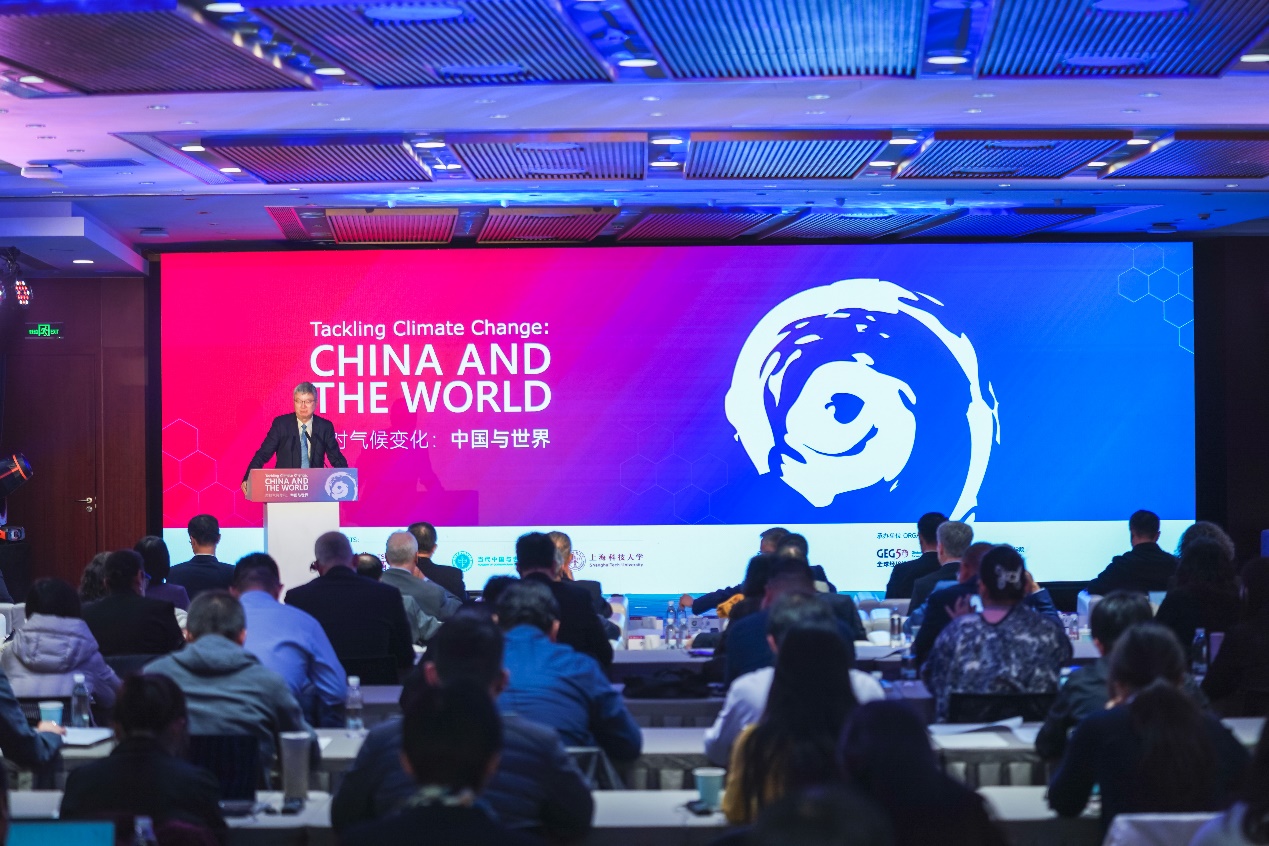
Photo: Seminar venue
In his concluding remarks, Zhu Min noted that although developments such as the previous withdrawal of the United States from the Paris Agreement had once caused concern, the discussions at this seminar conveyed a message of optimism and constructive progress. He pointed out that meaningful advances have already been made in policy frameworks, international cooperation, technological innovation and climate finance, demonstrating a shared commitment to tackling climate change as a common challenge for humanity. He called on all parties to continue working together, stressing that while the road ahead may be long, the determination to act must not diminish.