From December 8 to 12, 2025, following the modules in the UAE, the United States, and Japan, the UK module of Tsinghua PBCSF Overseas Study Program successfully concluded in London, marking the completion of the first session of the program. This UK visit represents a key initiative of PBCSF to innovate financial talent training models with the support of world-class educational resources. In collaboration with the University of Oxford in the UK and the Booth School of Business at the University of Chicago in the US, the program is centered on “academic thinking” and “cutting-edge practice”, addressing critical issues such as geopolitical dynamics, the fintech revolution, AI empowerment, and global business restructuring and creating a high-end learning journey that combines academic rigor with practical depth.
The unique value of this study tour lies in its creation of a knowledge bridge between academia and real-world practice. At the centuries-old University of Oxford, participants engaged deeply in critical thinking and interdisciplinary discussions.
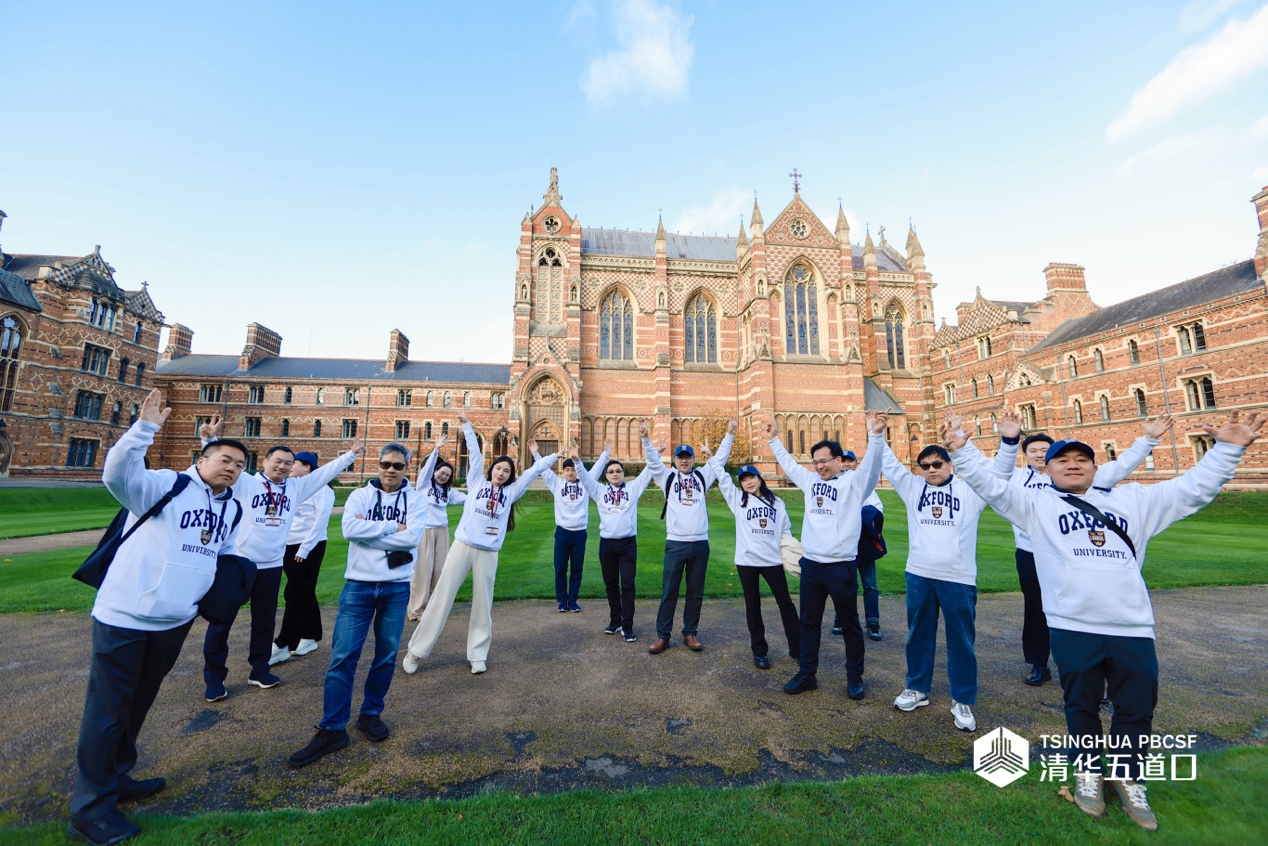
Group photo on the Oxford campus
Professor Othon Anastasakis started with the global political landscape and China-UK relations, laying a macro foundation for participants to understand the current international financial environment.
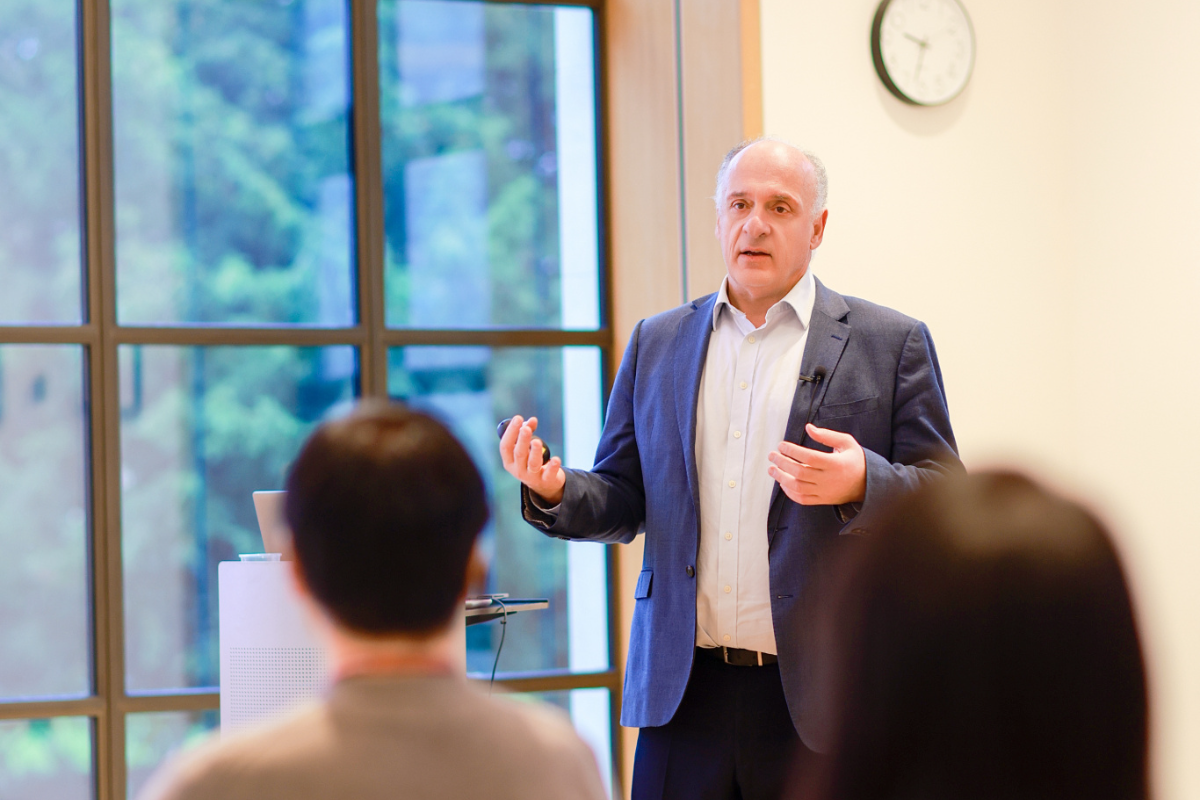
Image: Othon Anastasakis
Professor Nir Vulkan reviewed the development of fintech and the regulatory challenges it faces, prompting participants to reflect on the tension between technological innovation and institutional evolution.
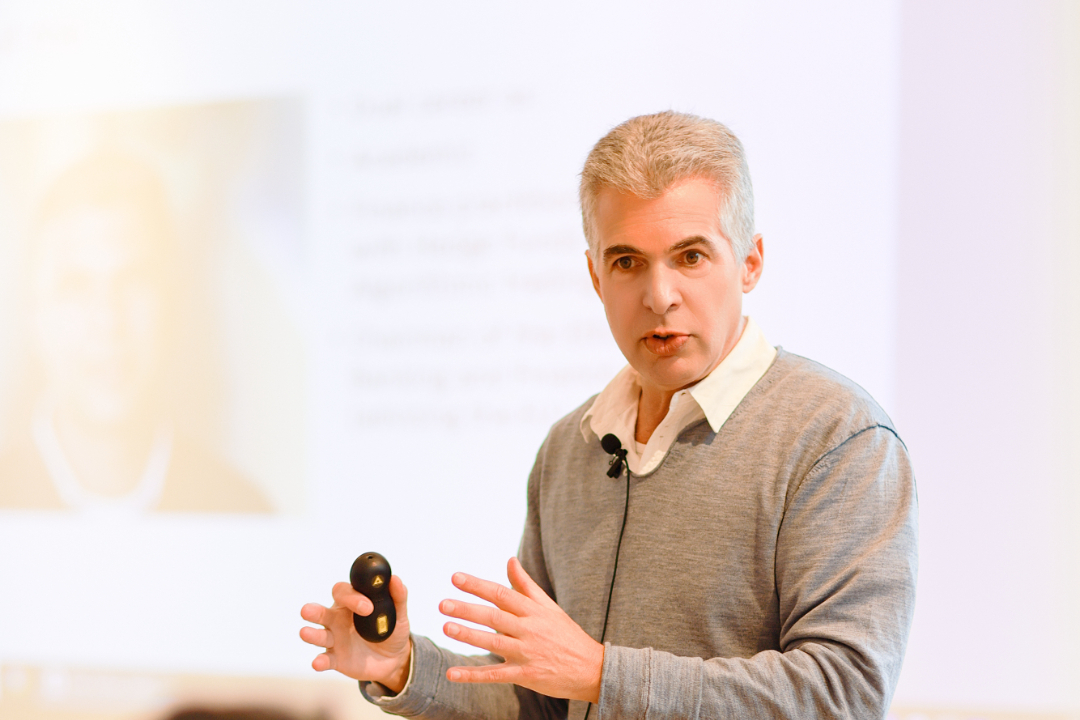
Image: Nir Vulkan
Professor Alex Rogers delved into the technical underpinnings of AI, exploring how it is driving profound restructuring across the financial industry.
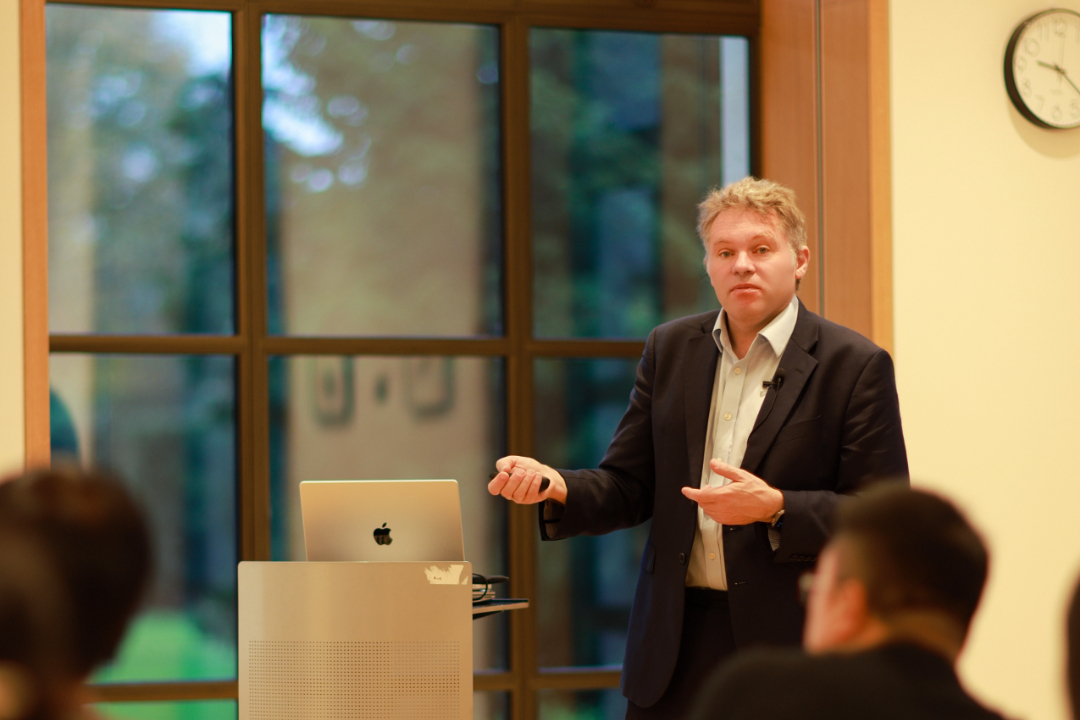
Image: Alex Rogers
Professors Kern Alexander and Professor Richard Werner stimulated participants’ philosophical reflection on the essence of finance from the perspectives of global business governance and the nature of financial intermediation respectively.
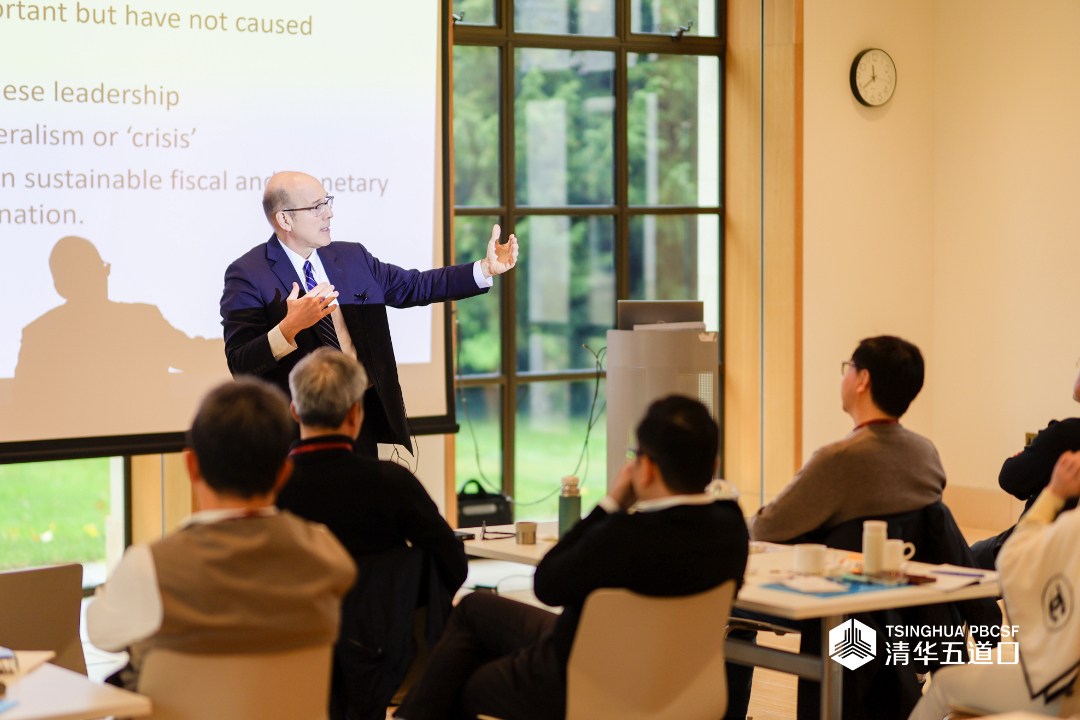
Image: Kern Alexander
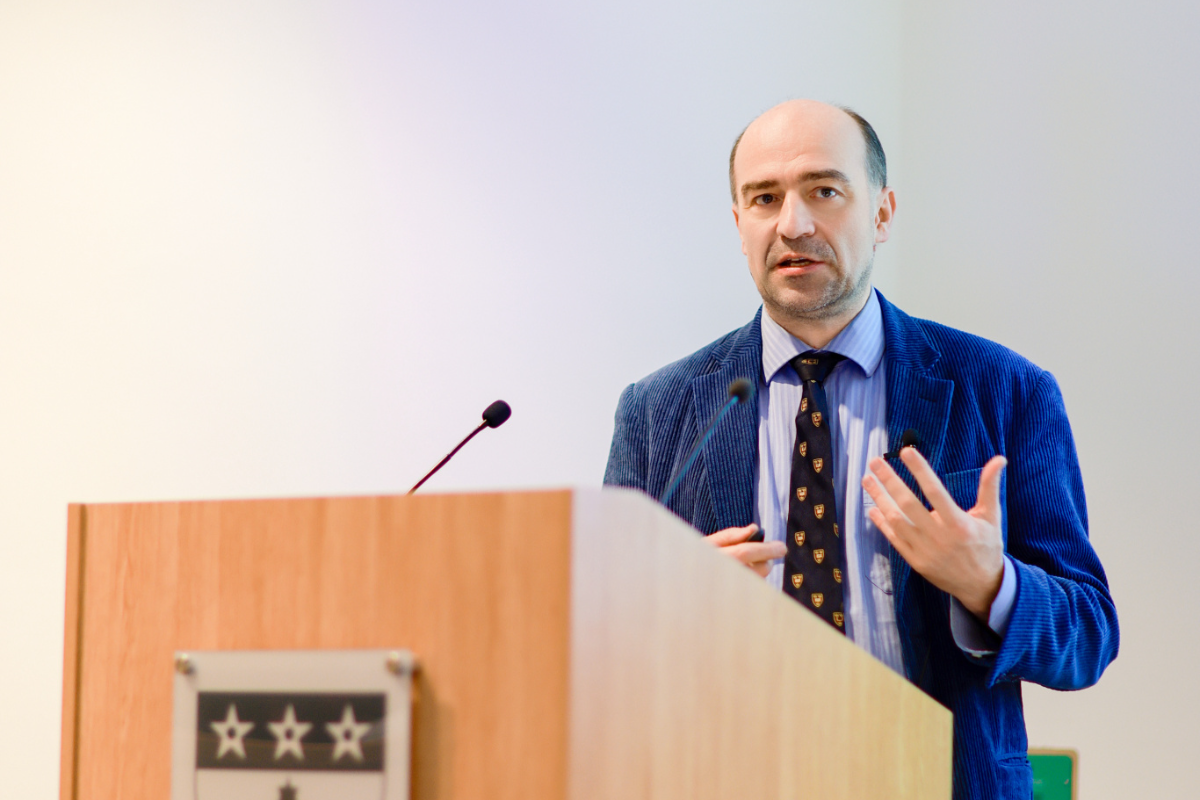
Image: Richard Werner
Professor Wang Shidong shared the wisdom of governance between different civilizations through a comparative study of Oxford’s college system and Eastern traditions.
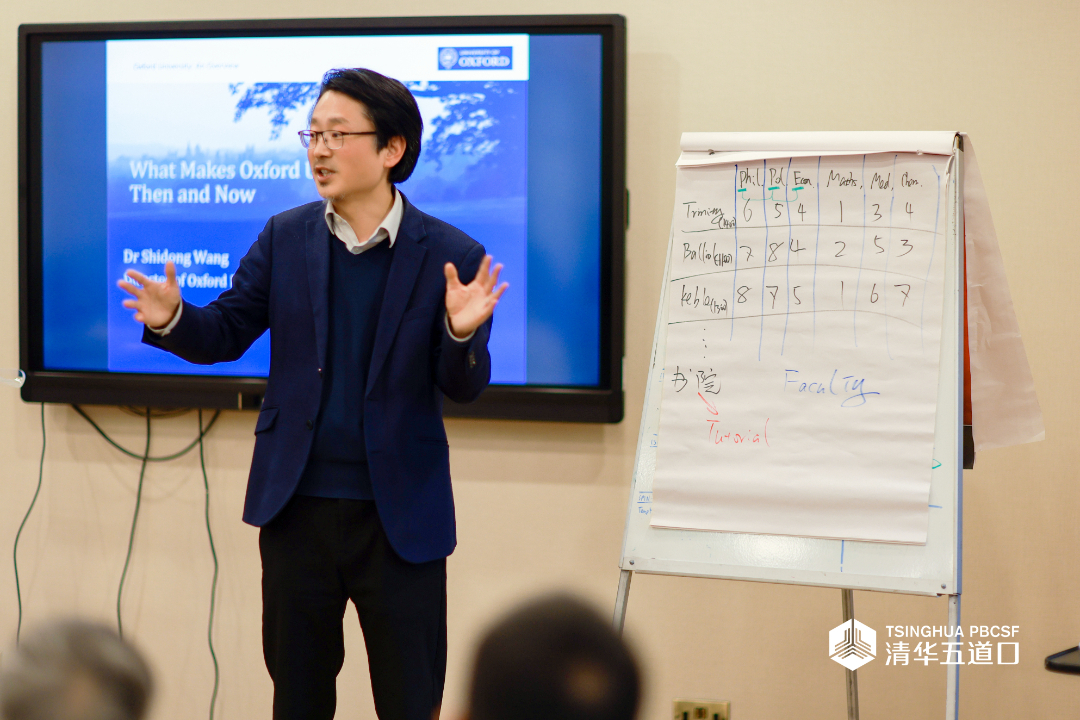
Image: Wang Shidong
This multi-dimensional and cross-cultural academic exchange helped participants build a solid and open knowledge framework.
At the London Center of the Booth School of Business, University of Chicago, the curriculum placed an even greater emphasis on the seamless integration of theory and practice. Professor Xiu Dacheng, from the perspective of modern data-driven decision-making, constructed a theoretical framework of the integration of AI and finance and provided participants with practical technical paths.
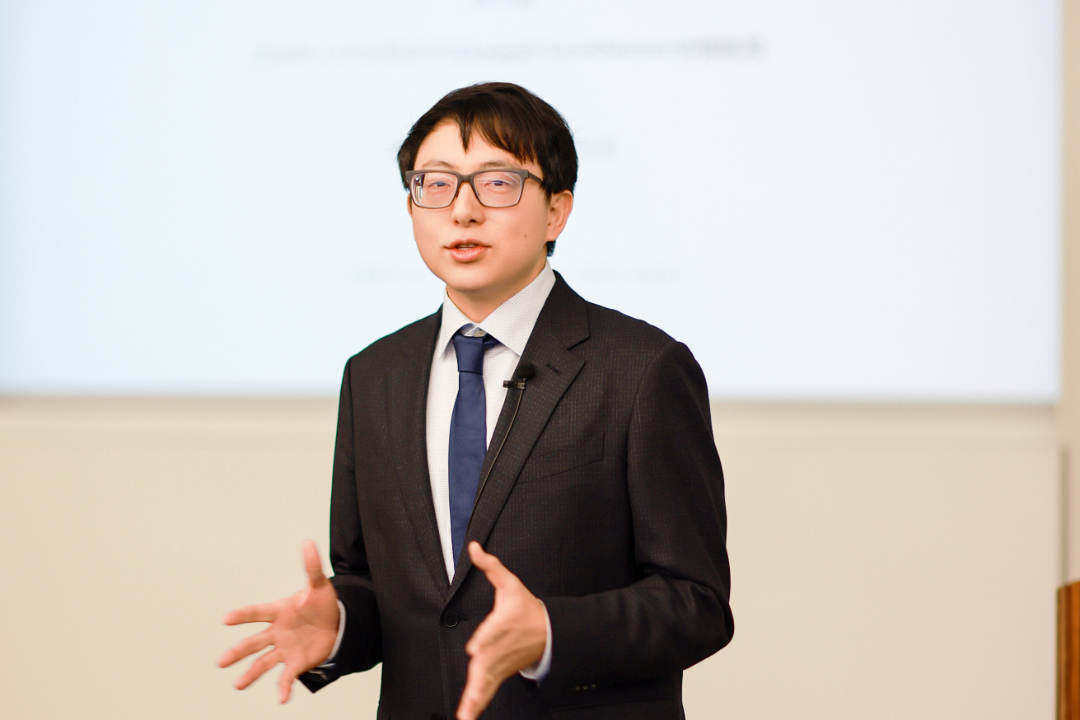
Image: Xiu Dacheng
Professor Erik Hurst provided an in-depth analysis of the links between AI, trade policies, and global economic growth, helping participants understand the underlying logic of macroeconomic policy.
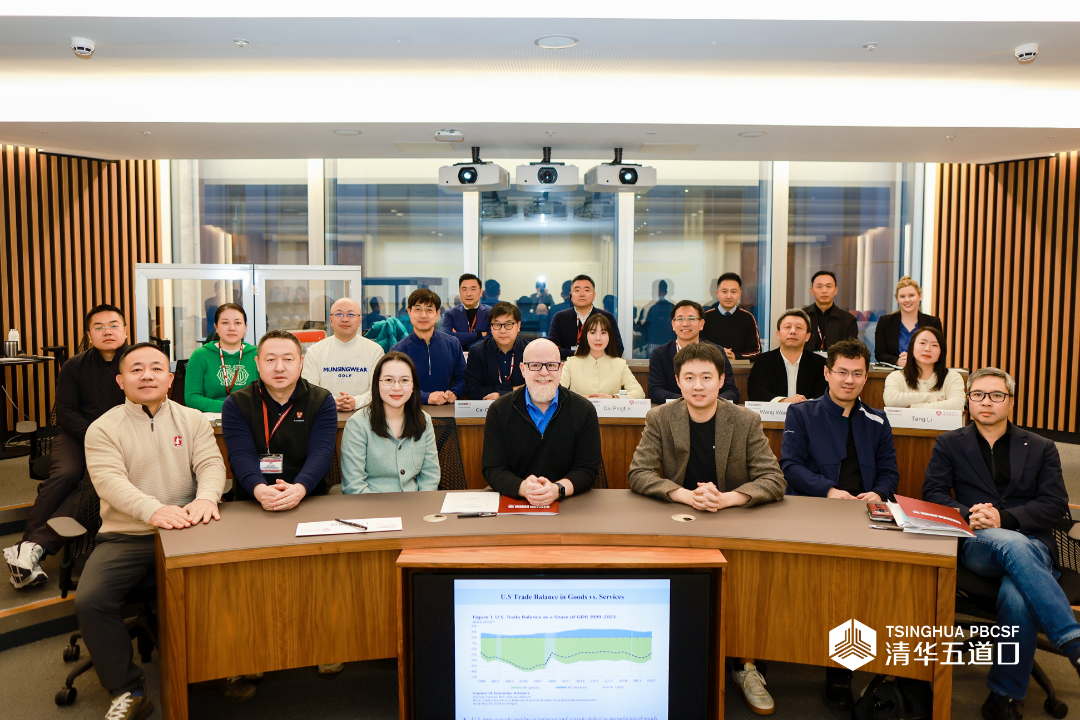
Image: Erik Hurst
Professor Randall S. Kroszner focused on global financial trends and central bank policies, and shared the identification and management mechanisms of systemic risks.
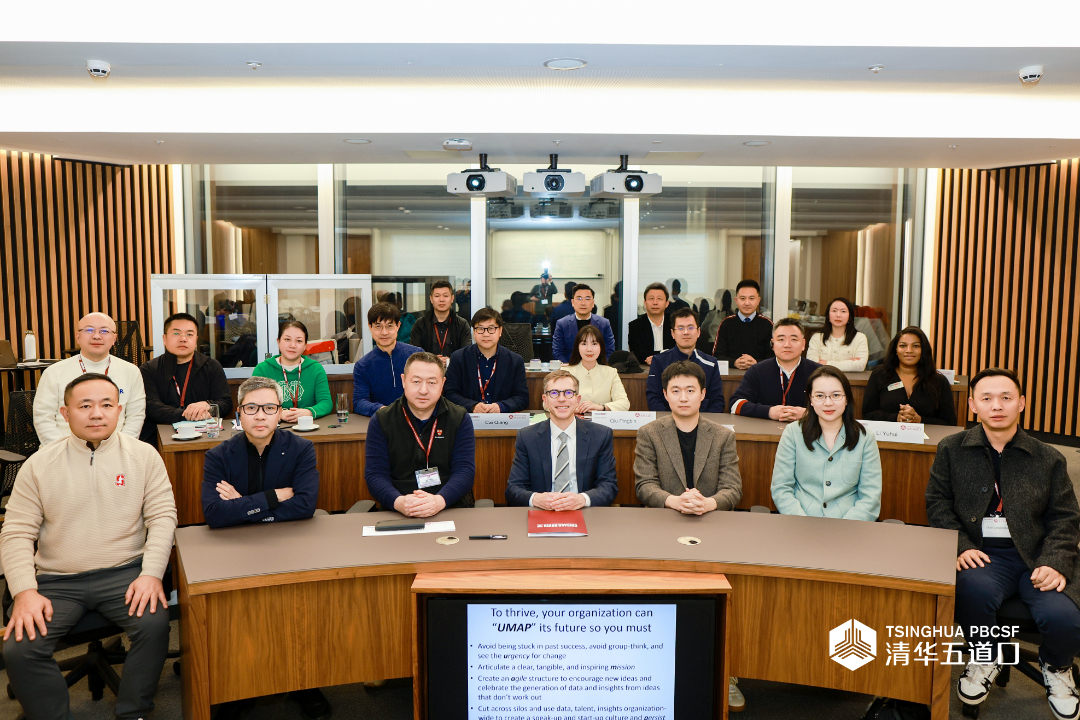
Image: Randall S. Kroszner
The program also included an on-site visit to the London Branch of the Bank of China , offering participants an opportunity to learn about the international practices of Chinese financial institutions. By exploring the practical challenges of its cross-border financial services, participants were able to test their theoretical knowledge in real-world scenarios and deepen their professional understanding through practical reflection.
By organically integrating academic inquiry with practical application, the program achieved a seamless connection between the “Oxford foundation of theory” and the “Chicago empowerment through practice”. It maintained the depth and rigor of academic research while ensuring the forward-looking vision and feasibility of practical application. In curriculum design, the program breaks through traditional disciplinary boundaries, integrating cutting-edge topics such as artificial intelligence, geopolitics, macroeconomics, and digital currency into the core framework of financial education. It cultivated participants’ systematic thinking and cross-border insight to cope with the complex financial environment. In format design, the program employed diverse activities including seminars, institutional visits, high-level dialogues, and academic banquets, not only to disseminate professional knowledge, but also to build an academic network and exchange platform connecting the global financial frontier.
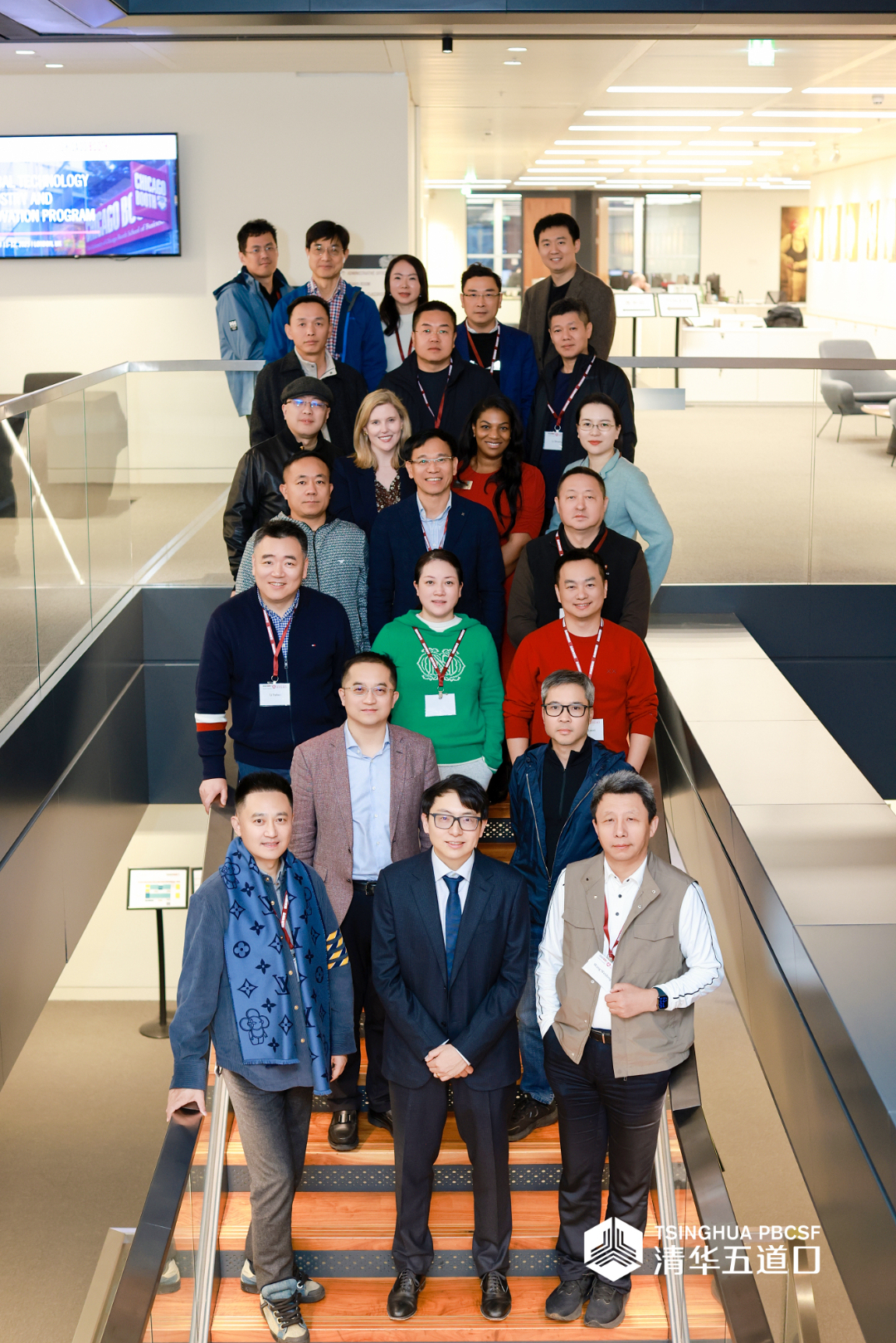
A Group photo of participants of the Overseas Study Program
Contributed by: The Overseas Study Program Team
Reviewed by: Zhao Jianwei, Guo Ran